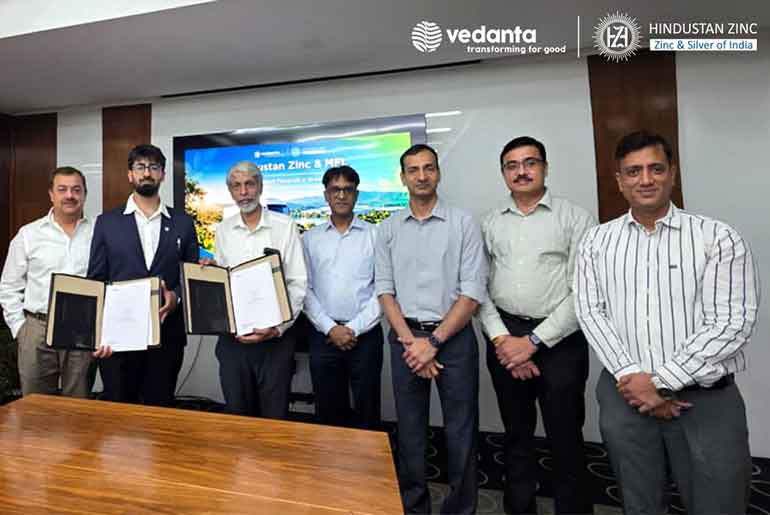
Hindustan Zinc Limited has signed a six-year logistics agreement with MFL India Limited to deploy 30 heavy-duty electric trucks for transporting lead and zinc concentrate from its Rampura Agucha mine to its smelting operations in Rajasthan.
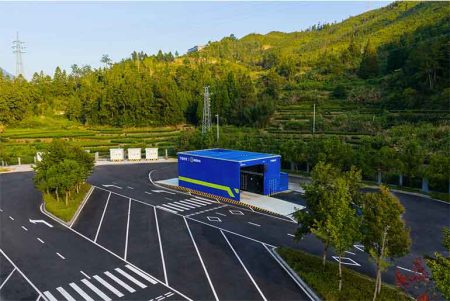
Under the agreement, MFL India will deploy the electric truck fleet and develop, operate and maintain dedicated EV charging infrastructure along the transportation route. The contract can also be extended by an additional two years.
The initiative is part of Hindustan Zinc’s broader strategy to reduce emissions across its supply chain and advance its target of achieving net-zero carbon emissions by 2050 or earlier. The company expects the electrification of concentrate transportation to help reduce Scope 3 emissions associated with logistics.
The move strengthens Hindustan Zinc’s growing portfolio of low-emission equipment. The company already operates underground battery-electric vehicles and a 40-bus electric workforce transportation fleet. In 2026, it also deployed a 250-tonne hybrid electric crane at its Debari Zinc Smelter, aimed at significantly reducing diesel consumption.
The latest agreement comes as Hindustan Zinc reports strong operational and financial performance. For the first quarter of FY27, the company recorded a consolidated net profit of ₹5,469 crore, a 145% year-on-year increase, while operational revenue rose 77% to ₹13,747 crore. Mined metal production also reached a first-quarter record of 268 kilotonnes.
The company has outlined a capital expenditure plan of around ₹5,000 crore for FY27, supporting capacity expansion and other strategic initiatives alongside its sustainability investments.
The electrification of mine-to-smelter transportation also highlights the growing potential for electric trucks in India’s heavy industrial and bulk commodity logistics sector. Predictable, fixed routes between mines and processing facilities are considered suitable for commercial EV deployment, provided adequate charging infrastructure and vehicle uptime can be maintained.
However, the transition faces challenges, including charging infrastructure reliability, vehicle range and payload performance, terrain-related operating conditions and the need to balance green investments with broader capital expenditure requirements.
For Hindustan Zinc, the agreement represents a further step toward reducing dependence on diesel-powered logistics while addressing the environmental footprint of its supply chain. For MFL India, the contract provides an opportunity to demonstrate the scalability of heavy-duty electric vehicle fleets and dedicated charging infrastructure in the mining and metals sector.
 Electrify your feed! Click here to join our Whatsapp group and to get the latest updates, expert insights, and innovations driving India’s energy storage revolution.