India’s rapid digital transformation—driven by cloud computing, artificial intelligence (AI), fintech, e-commerce, and government digitization initiatives—has placed unprecedented demand on data centres. As the backbone of this digital ecosystem, data centres require uninterrupted, high-quality power. Even a few seconds of downtime can lead to massive financial losses, data corruption, and operational disruption. At the heart of ensuring this reliability lies a critical yet often overlooked technology: the Uninterruptible Power Supply (UPS). Today, with the rise of intelligent UPS systems and the “Make in India” initiative, India is not only strengthening its energy resilience but also positioning itself as a global hub for advanced power infrastructure.
The Growing Power Demand of AI and Data Centres
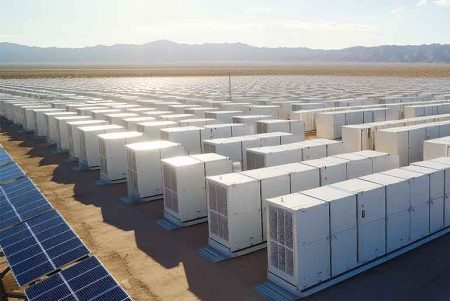
Artificial Intelligence workloads are significantly more power-intensive than traditional computing. Training large AI models, running real-time analytics, and processing massive datasets require continuous and stable electricity. Unlike conventional IT loads, AI systems create fluctuating and high-density power demands. Battery Energy Storage Systems (BESS) are emerging as a powerful solution in this space. When integrated with UPS systems, BESS helps manage peak loads, stabilize voltage fluctuations, and provide backup during outages. This combination ensures that AI-driven data centres operate efficiently without interruptions. In fact, BESS not only supports backup power but also plays a crucial role in energy optimization. It allows data centres to store energy during low-demand periods and utilize it during peak loads—reducing operational costs and improving sustainability.
Intelligent UPS: The New Standard
Traditional UPS systems were designed primarily for backup. However, modern intelligent UPS systems go far beyond that. Equipped with IoT sensors, predictive analytics, and remote monitoring capabilities, these systems actively manage power quality and performance.
Key features include:
- Predictive Maintenance: AI-driven insights help detect potential failures before they occur.
- Energy Efficiency: Optimized power usage reduces wastage and carbon footprint.
- Scalability: Modular designs allow easy expansion as data centre demands grow.
- Real-Time Monitoring: Operators can track performance and respond instantly to anomalies.
These advancements are especially crucial for hyperscale and edge data centres, which are rapidly expanding across India.
Make in India: Strengthening Local Manufacturing
India’s push for domestic manufacturing under the “Make in India” initiative has significantly impacted the UPS and power electronics sector. Locally manufactured UPS systems are now competing with global standards in terms of efficiency, reliability, and cost-effectiveness.
The advantages of Made-in-India UPS systems include:
- Cost Efficiency: Reduced import dependency lowers overall infrastructure costs.
- Customization: Solutions tailored to Indian grid conditions and climate.
- Faster Deployment: Local production ensures quicker delivery and support.
- Job Creation: Boosts domestic employment and technological expertise.
For data centres, this means access to high-quality, affordable, and reliable power solutions that are designed specifically for Indian conditions.
BESS + UPS: A Game-Changer for AI Workloads
The integration of Battery Energy Storage Systems with intelligent UPS is transforming how data centres handle AI loads.
This hybrid approach ensures:
- Seamless transition during power outages
- Load balancing during peak demand
- Reduced reliance on diesel generators
- Improved sustainability through renewable energy integration
As India moves toward greener energy goals, this combination will play a vital role in reducing carbon emissions while maintaining performance.
The Road Ahead
India is expected to become one of the largest data centre markets globally. With increasing investments from global tech giants and domestic players, the demand for reliable power infrastructure will continue to grow. Intelligent UPS systems—especially those manufactured in India—will be central to this evolution. When combined with BESS, they not only ensure uninterrupted operations but also enable efficient handling of AI-driven workloads.
 Electrify your feed! Click here to join our Whatsapp group and to get the latest updates, expert insights, and innovations driving India’s energy storage revolution.