Marking a new chapter in regional energy collaboration, India and Bhutan have signed a landmark Memorandum of Understanding (MoU) to expand cooperation in the field of renewable energy, reinforcing their long-standing partnership in hydropower and extending it to include solar, wind, biomass, green hydrogen, and energy storage.
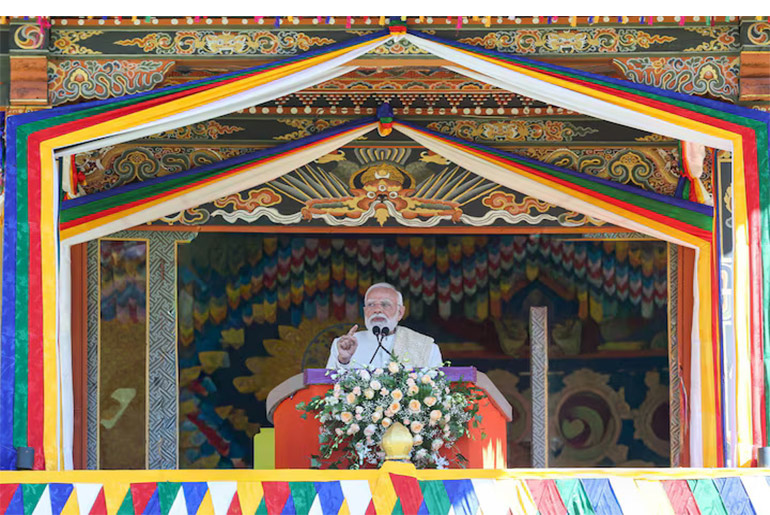
The MoU was exchanged during Prime Minister Narendra Modi’s visit to Bhutan, where he met with His Majesty King Jigme Khesar Namgyel Wangchuck to discuss strengthening bilateral ties in energy, infrastructure, and cultural cooperation. The meeting reflected the deep-rooted friendship between the two Himalayan nations — one that Prime Minister Modi described as “built on values of trust, emotion, peace, and progress.”
Speaking to the media, India’s Ambassador to Bhutan, Sandeep Arya, highlighted that the agreement represents a forward-looking partnership aimed at addressing the evolving energy needs of both nations. He noted that the hydropower cooperation, initiated under the fourth King of Bhutan in the 1970s, remains a strong pillar of bilateral relations, while the new MoU paves the way for joint advancement in clean energy innovation and green technologies.
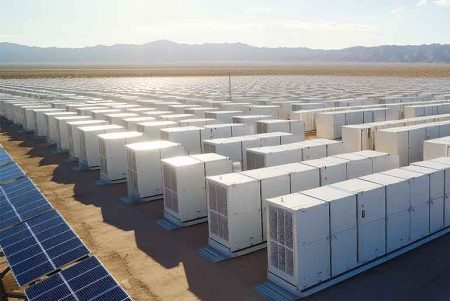
Under the framework of the MoU, India and Bhutan will collaborate on the development and deployment of renewable energy projects, including solar and wind parks, biomass-based energy generation, and green hydrogen production. The partnership will also focus on battery energy storage systems (BESS) and other long-duration energy storage solutions to strengthen grid reliability and promote sustainable energy integration across the region.
In a significant move, Prime Minister Modi also announced a Line of Credit worth ₹4,000 crore (approximately USD 450 million) to support Bhutan’s energy and infrastructure projects. The financial assistance will help accelerate the construction of renewable energy infrastructure, fostering energy security and regional economic resilience.
During the visit, both leaders emphasized the importance of connectivity and shared cultural heritage, particularly their spiritual and religious ties through Buddhism. King Wangchuck expressed gratitude for India’s continued support and appreciated the presence of sacred Buddhist relics from India in Bhutan.
To honor the occasion, the Bhutanese King led special prayers dedicated to India, Prime Minister Modi, and the victims of the recent tragic incident in Delhi, symbolizing the deep compassion and unity that define the India-Bhutan relationship.
The signing of this MoU signals a transformative shift from traditional hydropower dependence toward a multi-dimensional clean energy alliance, strengthening South Asia’s collective pursuit of a greener, more resilient future.
 Electrify your feed! Click here to join our Whatsapp group and to get the latest updates, expert insights, and innovations driving India’s energy storage revolution.