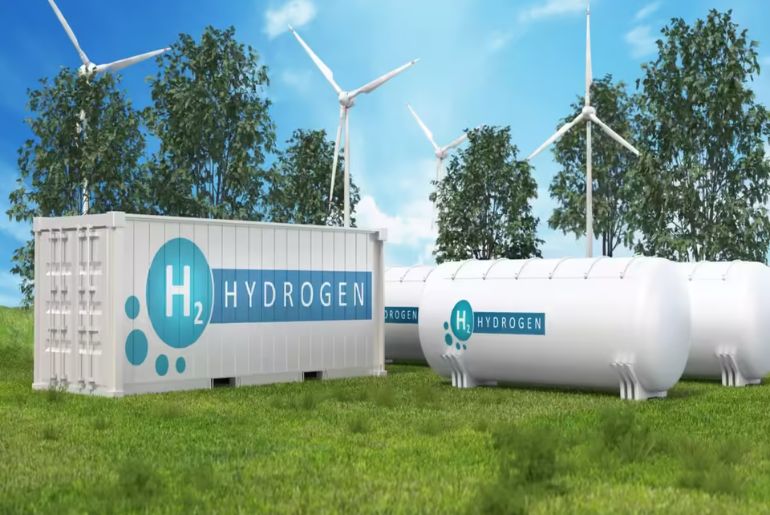
In a major step to advance the National Green Hydrogen Mission, the Government of India on 27 February 2026 notified new standards for green ammonia and green methanol. The standards were issued by the Ministry of New and Renewable Energy (MNRE) to define emission limits and eligibility criteria required for ammonia and methanol to be classified as “green”.
The notice says that both fuels must be made with green hydrogen that comes from renewable energy sources. The new framework’s goal is to help people in the industry understand things better and help India make green hydrogen derivatives.
Emission Thresholds Defined
The standards establish strict greenhouse gas emission limits for the production processes of both fuels.
Green Ammonia Standard for India
Green ammonia must meet the following emission threshold:
- Total non-biogenic greenhouse gas emissions must not exceed 0.38 kg CO₂ equivalent per kg of ammonia (kg CO₂ eq/kg NH₃)
- Emissions include those arising from green hydrogen production, ammonia synthesis, purification, compression, and on-site storage
- The emission value must be calculated as an average over the preceding 12-month period
Green Methanol Standard for India
For green methanol, the emission limit is slightly higher:
- Total non-biogenic greenhouse gas emissions must not exceed 0.44 kg CO₂ equivalent per kg of methanol (kg CO₂ eq/kg CH₃OH)
- Emissions include those from green hydrogen production, methanol synthesis, purification, and on-site storage
- The emission level must also be calculated as a 12-month average
Carbon Source and Renewable Energy Provisions
The notice also makes it clear what sources of carbon dioxide are okay to use in making green methanol.
Eligible CO₂ sources include:
- Biogenic sources
- Direct Air Capture (DAC)
- Existing industrial sources
MNRE noted that the list of eligible CO₂ sources may be revised in the future, with such changes applied prospectively and accompanied by appropriate grandfathering provisions.
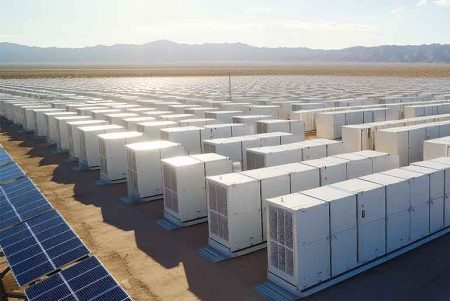
The standards also say that renewable energy used in the production process can include electricity made from renewable sources that is stored in energy storage systems or stored with the grid, as long as the rules say so.
Monitoring and Certification Framework
The ministry stated that detailed methodologies for measurement, reporting, monitoring, on-site verification, and certification of green ammonia and green methanol will be issued separately.
Additionally, any tender or bid process issued before the notification date may continue under its original terms. However, procuring entities may align such tenders with the new standards where feasible and with mutual agreement.
Boost to Green Fuel Industry
The notice is meant to make things clearer for developers, investors, and other people in the industry who are working on green hydrogen derivatives. It will also help reduce carbon emissions in industries like shipping, power generation, heavy industry, and fertilisers.
As Indian developers focus more on export markets for green ammonia and green methanol, the new rules make India’s rules for green hydrogen and its derivatives even stronger.
 Electrify your feed! Click here to join our Whatsapp group and to get the latest updates, expert insights, and innovations driving India’s energy storage revolution.