India’s energy storage sector is expected to witness significant growth over the next decade, with the behind-the-meter (BTM) stationary storage market projected to expand from an annual demand of 32 GWh in 2025 to over 39 GWh by 2033, according to a report by the India Energy Storage Alliance (IESA).
Rising Adoption of Behind-the-Meter Systems
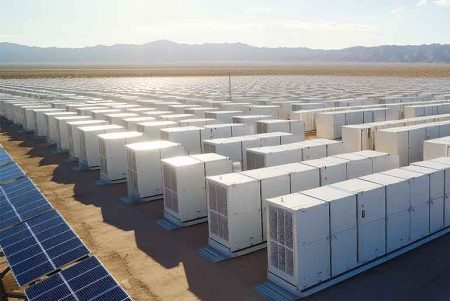
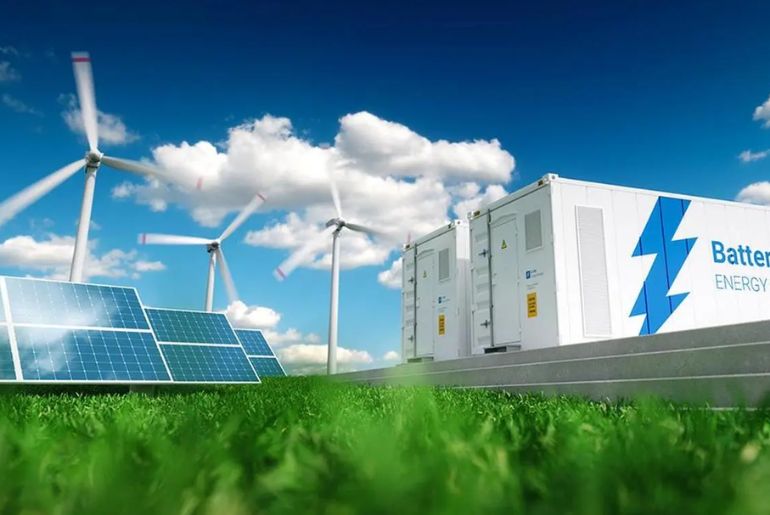
BTM systems refer to energy generation and storage solutions installed on the consumer’s side of the utility meter. These include rooftop solar systems, battery storage units, and backup power applications such as UPS systems, inverters, and telecom infrastructure. Such systems allow users to directly consume stored or generated energy without relying on the grid.
The growing adoption of these systems is being driven by the need for reliable power supply and increasing electricity tariffs, particularly among commercial and industrial users.
Cost Trends Driving Market Growth
Declining costs of lithium-ion batteries and solar-plus-storage solutions are playing a crucial role in accelerating adoption. In 2024, the levelized cost of energy from rooftop solar combined with storage was estimated at around Rs 6–7 per kWh, approaching parity with commercial grid tariffs in states such as Maharashtra, Tamil Nadu, and Karnataka.
IESA analysts expect solar-plus-storage systems to become cost-competitive for a wider range of commercial users by 2026, with industrial users likely to follow soon after.
Shift Towards Lithium-Ion Technology
While lead-acid batteries currently dominate the behind-the-meter market, accounting for over 85 per cent of installations in 2025, lithium-ion technology is rapidly gaining traction. In the telecom sector, lithium-ion batteries already represent about 77 per cent of new installations.
The report also highlights increasing adoption of lithium-based solutions across UPS systems and rooftop solar segments, indicating a broader shift toward more efficient and advanced storage technologies.
Industry Perspective and Market Evolution
“The projected growth to 39 GWh by 2033 reflects not just surging demand, but a paradigm shift in how businesses and consumers interact with energy,” Debmalya Sen, President, IESA, said.
Vinayak Walimbe, Managing Director of Customised Energy Solutions (CES), noted that the economics of solar-plus-storage systems are becoming increasingly attractive for commercial and industrial users.
The report further indicates that as power reliability improves in India, the drivers of the BTM storage market are evolving, supporting long-term growth and adoption.
 Electrify your feed! Click here to join our Whatsapp group and to get the latest updates, expert insights, and innovations driving India’s energy storage revolution.