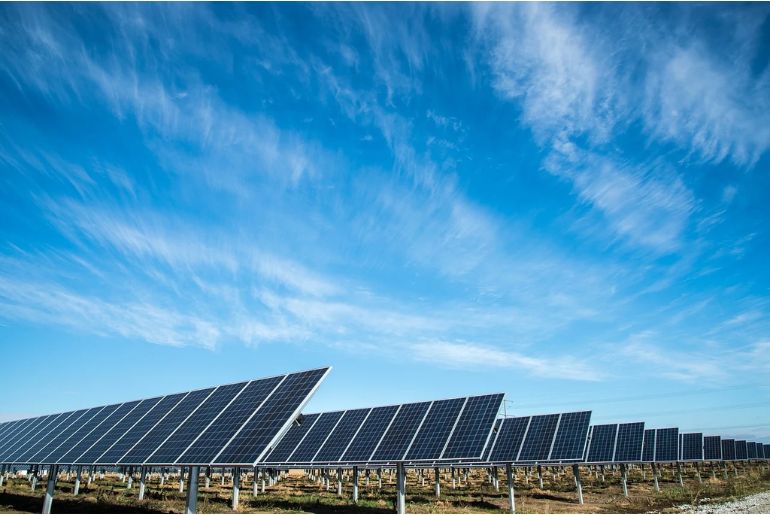
India’s power sector is witnessing a transformative shift as renewable energy deployment accelerates. In the first eleven months of 2025, India added 41 GW of renewable capacity, surpassing previous annual records and raising the share of renewables to 40% of total installed capacity. Solar generation is increasingly meeting daytime electricity demand, easing reliance on coal-fired power and supporting the ongoing energy transition.
Coal Expansion vs. System Flexibility
Despite the renewable surge, the government plans to add 100 GW of new coal-based capacity over the next seven years. However, India’s existing and under-construction coal fleet already exceeds projected coal requirements for 2030, according to multiple resource adequacy assessments. The key challenge is system flexibility, not capacity. Many coal plants operate at minimum technical loads of around 55%, forcing them to run even when low-cost renewable electricity is available. Long-term coal power purchase agreements further lock utilities into higher-cost thermal generation.
Operational Rigidity Curtails Clean Power
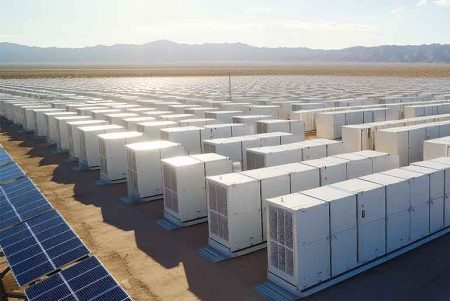
This operational inflexibility leads to avoidable curtailment of solar and wind generation, limiting renewable penetration. Experts say achieving higher renewable integration will require structural reforms, including coal flexibilisation, accelerated deployment of battery energy storage systems, and grid upgrades. Prioritising renewables over new coal additions is critical to ensuring efficiency, reducing costs, and meeting climate targets.
Key Findings from Annual Power Review
- Coal generation fell 3% in 2025, the second annual decline in over 50 years; the first was during the COVID-19 pandemic.
- Record clean power growth accounted for 44% of the reduction, milder weather 36%, and slower power demand 20%.
- Achieving India’s 500 GW non-fossil capacity target leaves little room for coal expansion, even with rising demand.
- Clean electricity increasingly meets peak demand, rendering additional coal capacity largely redundant.
- Completing 36 GW of under-construction coal projects could push utilisation to unprecedented lows, causing financial strain for generators and higher costs for consumers.
India’s power landscape is shifting rapidly. Structural reforms, coal fleet flexibility, and investment in storage and grid infrastructure are essential to fully harness renewable energy and avoid unnecessary coal expansion while ensuring a reliable, low-cost electricity supply.
 Electrify your feed! Click here to join our Whatsapp group and to get the latest updates, expert insights, and innovations driving India’s energy storage revolution.