India’s energy sector witnessed a major shift in 2025, with rapid renewable energy expansion helping slow the growth of fossil fuel consumption, according to the Energy Institute Statistical Review of World Energy. The country recorded new highs in wind and solar power generation, while favourable hydrological conditions supported higher hydroelectric output.
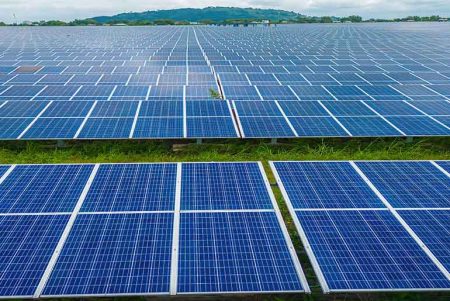
A key highlight was the growth of behind-the-meter solar capacity, which increased by 40% year-on-year to reach 43.6 GW. The rise marked the largest annual increase outside China in 2025, reflecting India’s accelerating adoption of distributed solar systems. The expansion of renewable generation contributed to a decline in conventional power generation, with coal-fired electricity generation falling by 3% and gas-fired generation dropping by 15%.
However, the report noted that India’s renewable energy integration continued to face challenges due to inadequate transmission infrastructure. Despite significant capacity additions over the past five years, grid limitations prevented the country from fully utilising available renewable power.
The report highlighted that renewable energy and electricity are becoming increasingly important in the global energy landscape, with reliable and affordable electricity supply emerging as a key factor for economic competitiveness. Data from 2025 showed growing momentum for solar, battery storage, and other clean energy technologies even before global energy market concerns intensified following disruptions around the Strait of Hormuz.
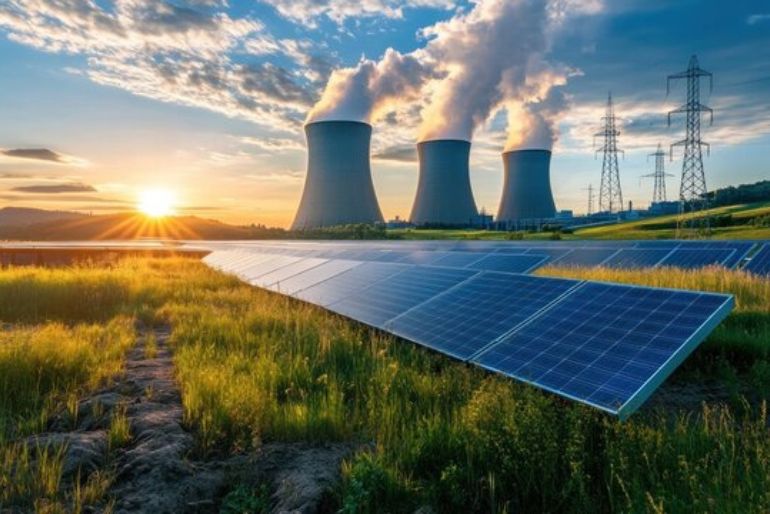
Despite renewable energy growth, fossil fuels continued to dominate India’s overall energy mix, accounting for 93% of total energy supply. However, this represented the lowest fossil fuel share recorded in the Energy Institute’s dataset, which tracks global energy trends since 1965.
Coal remained India’s largest energy source in 2025, contributing 59% of total energy supply, followed by oil at 28%. Fossil fuel consumption remained broadly stable during the year, with coal consumption rising only 0.6%, oil consumption increasing 0.3%, and gas consumption declining 5.9%.
The slowdown in fossil fuel growth was attributed to multiple factors, including lower energy demand growth, increased renewable generation, and milder weather conditions during the monsoon season that reduced cooling demand and electricity consumption.
India’s dependence on imported oil and gas remained significant. The country imported around 90% of its crude oil requirements, with Russia continuing as the largest supplier, accounting for nearly one-third of imports. The Middle East supplied another 48% of India’s crude imports.
Gas production declined by 3.5% in 2025, while imports fell by 7.9%. India still relied on imports for 53% of its gas supply, with Qatar and the UAE accounting for a major share. Meanwhile, domestic coal production reached a record 17.9 EJ, meeting around 78% of demand, although India remained a coal importer.
Globally, coal demand rose slightly by 0.7% in 2025 to 166 EJ, while production remained almost unchanged at 180.8 EJ. China, India, Indonesia, the United States, and Australia continued to dominate global coal production and consumption.
 Electrify your feed! Click here to join our Whatsapp group and to get the latest updates, expert insights, and innovations driving India’s energy storage revolution.