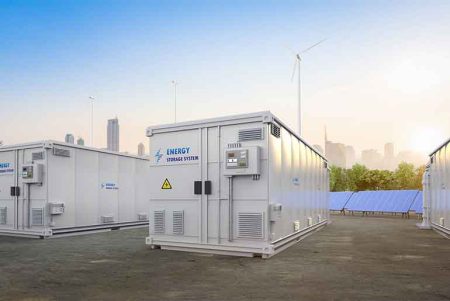
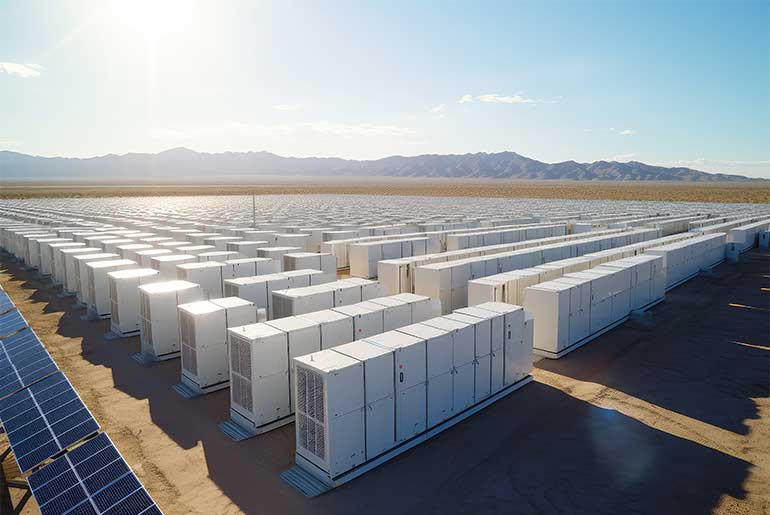
India’s energy storage industry has welcomed a proposal to reduce the Goods and Services Tax (GST) on standalone utility-scale and containerised Battery Energy Storage Systems from 18% to 5%, saying the move could improve project viability, strengthen domestic manufacturing, and accelerate the country’s clean energy transition.
The proposal, submitted to the Ministry of New and Renewable Energy (MNRE) by the National Solar Energy Federation of India (NSEFI), seeks to align the GST rate on Battery Energy Storage Systems with other renewable energy technologies such as solar modules. Industry stakeholders believe the current 18% tax increases project costs and slows the deployment of storage systems that are becoming essential for integrating renewable energy into the power grid.
A lower GST rate is expected to reduce upfront capital expenditure, improve project economics, and encourage greater investment in utility-scale, commercial, and industrial energy storage projects. The industry also believes the measure would support faster adoption of storage technologies required to balance the growing share of solar and wind power in India’s electricity mix.
The proposed tax reduction is also expected to strengthen the domestic battery manufacturing ecosystem by stimulating demand, encouraging capacity expansion, and supporting the government’s Make in India initiative. With storage demand expected to rise significantly over the coming years, industry experts see the policy as a step toward building a competitive domestic supply chain.
In addition to improving affordability, stakeholders believe the proposal could help minimise renewable energy curtailment, enhance grid reliability, and enable round-the-clock clean power supply. The measure is also expected to complement ongoing policy initiatives such as viability gap funding and large-scale storage procurement programmes.
India is targeting a rapid expansion of renewable energy capacity, making energy storage a critical component of the country’s future power infrastructure. Industry participants believe rationalising the GST structure would provide the necessary financial support to accelerate deployment, improve investment confidence, and strengthen India’s transition towards a cleaner and more resilient energy system.
 Electrify your feed! Click here to join our Whatsapp group and to get the latest updates, expert insights, and innovations driving India’s energy storage revolution.