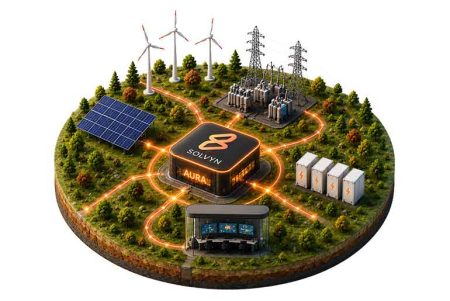
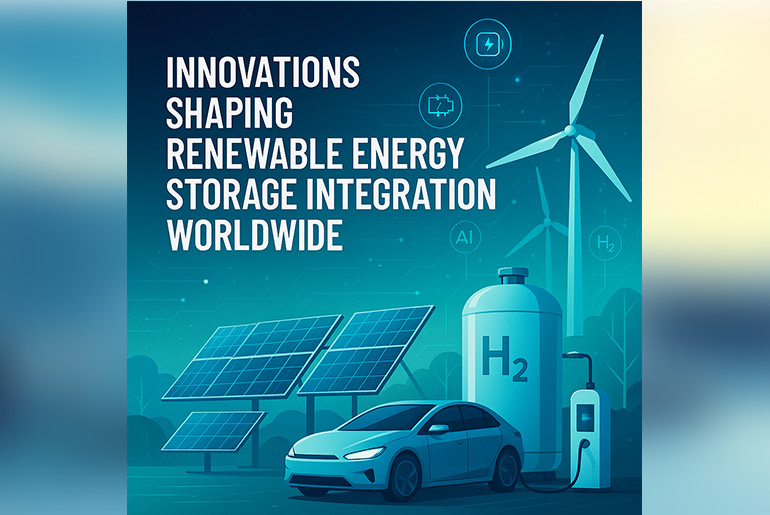
In the race toward a cleaner, greener planet, renewable energy is stealing the spotlight—but behind the scenes, it’s energy storage that’s becoming the unsung hero. As the world transitions away from fossil fuels, the capacity to capture sunlight, harness wind, and release power precisely when required is revolutionizing the energy landscape. Gone are the days when batteries served merely as backups. Today, renewable energy storage integration is the brain and backbone of modern power systems—balancing volatility, stabilizing grids, and unlocking the true potential of clean energy. While lithium-ion batteries opened the door, a new wave of innovations is stepping in to elevate energy storage from a passive component to a powerful enabler of a 24/7 sustainable future.
Here’s a look at five transformative innovations driving the future of renewable energy storage integration globally.
1. Flow Batteries: Unlocking Long-Duration Storage
Flow batteries are emerging as a game-changing solution for long-duration renewable energy storage integration. Unlike conventional batteries, flow batteries store energy in liquid electrolytes that circulate between tanks, allowing for easy scalability and extended discharge durations.
Vanadium redox flow batteries (VRFBs), in particular, are gaining traction due to their high cycle life and ability to deliver consistent performance over 20+ years. Companies like Invinity Energy Systems and ESS Inc. are deploying these systems across utility and microgrid projects in the U.S., U.K., and Australia.
In India, ReNew Power and Indian Oil have initiated pilot programs exploring flow battery technology as part of hybrid renewable plants. Their ability to provide up to 10–12 hours of storage makes them ideal for balancing solar and wind generation, especially in regions with extreme peak demand variations.
2. Hybrid Hydrogen Systems: Powering Tomorrow with H₂
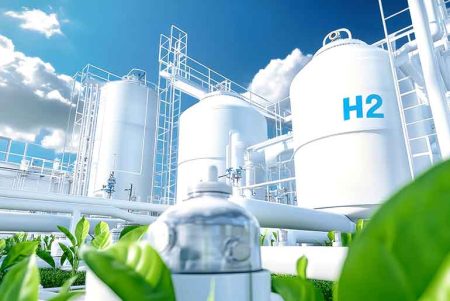
As countries eye deep decarbonization, hybrid hydrogen systems are gaining recognition as a cornerstone of future energy infrastructure. These systems combine renewables (solar/wind), batteries, and green hydrogen production in a unified setup, ensuring both short-term and seasonal energy storage.
For example, Siemens Energy’s hydrogen pilot in Germany integrates wind energy, electrolyzers, and hydrogen storage to decouple production from consumption. Similarly, Japan’s Fukushima Hydrogen Energy Research Field (FH2R) uses solar energy to produce hydrogen at scale—later used for industrial or grid applications.
In India, NTPC and Indian Oil are launching green hydrogen pilots that incorporate battery storage to stabilize output. These integrated models exemplify the next phase of renewable energy storage integration—where energy isn’t just stored but transformed, transported, and reused with greater flexibility.
3. Vehicle-to-Grid (V2G): EVs as Mobile Storage Assets
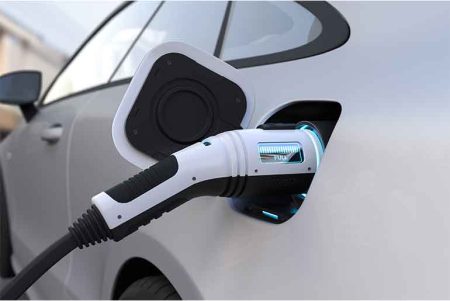
As electric vehicle (EV) adoption accelerates, their batteries are being reimagined as distributed energy resources through Vehicle-to-Grid (V2G) systems. This innovation allows EVs to discharge electricity back to the grid or power homes and buildings, especially during peak hours or outages.
Nissan and Nuvve Corporation are pioneers in this space. In Denmark and California, their V2G programs demonstrate how EV fleets can collectively provide grid services like frequency regulation and peak shaving. Renault is piloting similar projects across Europe.
V2G not only adds resilience to power networks but also enhances the economics of EV ownership. In the broader picture of renewable energy storage integration, V2G presents a decentralized and highly flexible way to store and return clean energy.
4. AI-Powered Energy Management Platforms
Today’s energy systems are complex and dynamic, especially with the surge in renewable generation. Artificial intelligence (AI) and machine learning are now at the heart of smart energy storage integration—enabling real-time optimization of storage assets based on demand, weather, and pricing signals.
Companies like Stem Inc., Wärtsilä, and AutoGrid are leading this frontier. Their AI-driven platforms can predict load patterns, manage multi-site storage fleets, and optimize battery cycling to extend lifespan and maximize returns.
In India, startups like AmpereHour Energy are building energy intelligence platforms tailored for BESS deployments. These systems are crucial for renewable energy storage integration, helping industries and utilities maximize clean energy usage while lowering costs and emissions.
5. Second-Life Battery Storage: Reusing to Recharge the Grid
With millions of EVs on the road, battery retirements are inevitable. However, these batteries still retain up to 70–80% of their usable capacity—making them ideal for second-life stationary storage applications.
Companies like B2U Storage Solutions in the U.S. and Fortum in Europe are commercializing second-life BESS for commercial, industrial, and grid-scale applications. These setups offer a low-cost, environmentally conscious alternative to new battery systems.
India is also taking steps in this direction. Startups such as Lohum are developing end-to-end battery reuse and recycling frameworks. Incorporating second-life storage is a significant leap toward sustainable renewable energy storage integration, reducing lifecycle emissions and raw material dependencies.
Why These Innovations Matter
Together, these five innovations represent more than just technological upgrades—they signal a fundamental shift in how we integrate and rely on clean energy. Here’s why they’re vital:
- Long-duration flow batteries extend clean power availability beyond a few hours.
- Hybrid hydrogen systems enable seasonal storage and multi-sector decarbonization.
- V2G technology turns EVs into grid assets, enhancing flexibility and user participation.
- AI platforms ensure optimized and predictive control over fluctuating energy systems.
- Second-life batteries support circularity and affordable storage access.
Each of these plays a unique yet interconnected role in renewable energy storage integration—helping bridge the gap between intermittent generation and continuous, reliable consumption.
The Future: India’s Place in the Global Energy Storage Story
India is quickly taking shape as a testbed and a leader in renewable energy storage integration. With large BESS tenders being run through the Production-Linked Incentive (PLI) scheme, domestic players such as Amara Raja, Exide Energy, and Reliance New Energy are pouring significant investment into storage technologies.
Additionally, with the Indian government’s goal of 500 GW of non-fossil capacity by 2030, energy storage is not just an enabler of this goal; it is a foundational prerequisite. Innovations like ones discussed above are likely to be deployed at scale in India—particularly in renewable energy surplus states like Gujarat, Rajasthan, and Tamil Nadu.
If there is appropriate policy support, international collaboration, and R&D is fast-tracked, India could find itself at the forefront of deploying these next-gen storage innovations.
Renewable energy storage integration is a cornerstone for global sustainability as we move toward a decarbonized future. While lithium-ion has been the impetus for change, the innovations that will push the limits of what is possible are flow batteries, green hydrogen hybrids, vehicle-to-grid systems, artificial intelligence, and second-life solutions.
The next decade will belong to those who both adopt clean energy and better understand how to store and use it. The innovators who are creating these changes are not just innovators making batteries—they are building the future of power.
 Electrify your feed! Click here to join our Whatsapp group and to get the latest updates, expert insights, and innovations driving India’s energy storage revolution.