

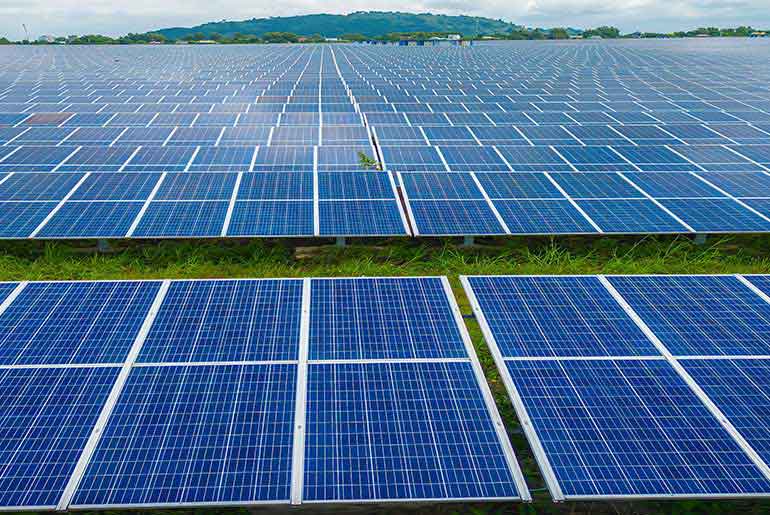
Italy added 4.834 GW of new solar photovoltaic (PV) capacity during the first nine months of 2026, with energy storage installations approaching 20 GWh, reflecting continued expansion of the country’s renewable energy infrastructure. The latest figures highlight growing contributions from utility-scale solar, commercial and industrial (C&I) installations, and battery storage systems.
According to data compiled by ITALIA SOLARE from Terna’s Gaudì database, Italy connected 1.74 GW of solar capacity in the third quarter of 2026, representing a 37% increase compared with the 1.269 GW installed during the corresponding period in 2025. The country added 147,632 new photovoltaic systems during the first nine months of the year.
As of September 30, 2026, Italy had 2,314,113 connected photovoltaic installations, representing a cumulative installed capacity of 48.347 GW. During the third quarter, 58,459 new solar systems were connected, compared with 38,660 installations in the preceding quarter. This marked a 34% increase in the number of installations, while newly connected capacity rose by 5% quarter-on-quarter.
Utility-scale and commercial and industrial installations accounted for the majority of Italy’s new solar capacity during the first nine months of 2026.
Projects with capacities of 1 MW and above contributed 2,241 MW through 473 installations, accounting for 46% of total additions. The C&I segment, comprising installations between 20 kW and 1 MW, added 1,697 MW through 11,905 systems, representing 35% of new capacity.
Residential installations of up to 20 kW contributed 897 MW through 135,254 connections, accounting for the remaining 19%.
During the third quarter, utility-scale projects added 858 MW, including 394 MW from installations between 1 MW and 10 MW and 464 MW from projects exceeding 10 MW. C&I installations contributed 543 MW, while residential solar systems added 341 MW.
Sicily emerged as Italy’s leading region for new solar capacity during the first nine months of 2026, adding 686 MW. Lombardy followed with 644 MW, while Piedmont contributed 498 MW.
Other major contributors included Veneto with 463 MW, Emilia-Romagna with 443 MW and Lazio with 432 MW.
Lombardy recorded the highest number of new photovoltaic installations, with 22,999 systems connected during the period. Veneto followed with 18,099 installations.
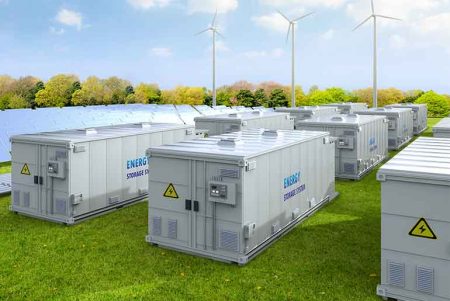
Italy’s electrochemical energy storage market also continued to expand, nearing the 20 GWh milestone by the end of September 2026.
The country had 984,829 connected storage systems with a combined energy capacity of 19,983 MWh and a power capacity of 8,338 MW as of September 30. Of the total installed energy capacity, 12,552 MWh was associated with photovoltaic installations, while standalone storage systems accounted for 7,368 MWh.
During the first nine months of 2026, Italy connected 1,953 MWh of new storage capacity. Solar-linked storage systems contributed 1,486 MWh, while standalone installations added 467 MWh.
In the third quarter, photovoltaic-associated storage installations added 480 MWh of energy capacity and 252 MW of power capacity through 31,039 new connections. The capacity addition represented a 15% increase compared with the corresponding quarter in 2025.
Lombardy led the photovoltaic-linked storage segment, adding 206 MWh during the first nine months. Emilia-Romagna followed with 155 MWh, Veneto with 146 MWh and Sicily with 144 MWh.
ITALIA SOLARE highlighted the increasing role of utility-scale solar and energy storage in supporting Italy’s energy transition. The organisation also emphasised the importance of continued support for distributed generation, self-consumption and regulatory improvements to accelerate storage deployment.
The latest figures indicate that Italy’s renewable energy expansion is increasingly supported by a combination of large-scale solar projects, distributed photovoltaic installations and battery energy storage systems, which are becoming important components of the country’s evolving electricity infrastructure.
 Electrify your feed! Click here to join our Whatsapp group and to get the latest updates, expert insights, and innovations driving India’s energy storage revolution.