The Jammu and Kashmir government has initiated the revival of the historic Mohra Power Project, a 120-year-old hydroelectric facility that has remained non-operational since the 1990s. The move is part of a broader push to accelerate power infrastructure development in the region, particularly following the Government of India’s decision to place the Indus Water Treaty with Pakistan in abeyance after the April 2025 Pahalgam terror attack.
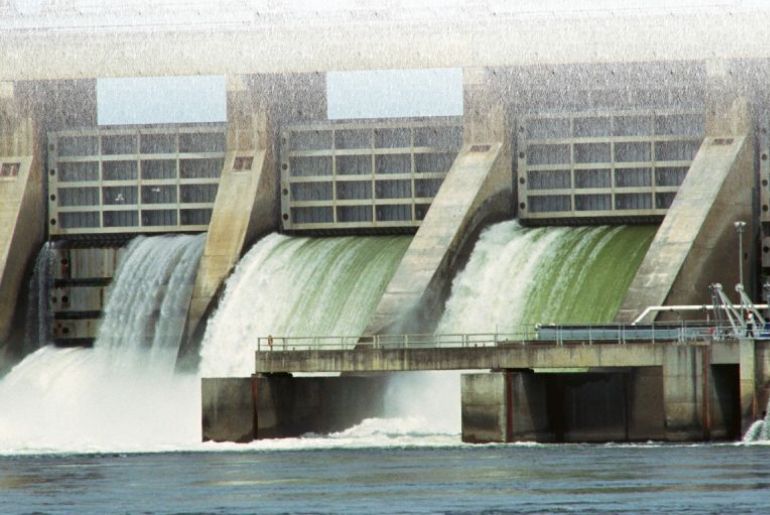
Located on the banks of the Jhelum River at Boniyar in the Uri sector of Baramulla district, the Mohra project is a run-of-the-river hydropower plant commissioned in 1905. It is among the oldest hydroelectric stations in the Indian subcontinent. Originally designed with a capacity of around 5 MW, the plant once supplied electricity to large parts of the Kashmir Valley before severe flood damage in 1992 led to its eventual shutdown.
Tender Process Initiated for Modernisation and Upgradation
Chief Minister Omar Abdullah, who also oversees the Power Department, informed the Jammu and Kashmir Assembly that the revival process is now underway. The Board of Directors of the J&K State Power Development Corporation has approved the issuance of a Limited Tender Enquiry (LTE) to appoint a transaction adviser.
The chosen adviser, who will be chosen from firms that work with the Department of Economic Affairs, will help with the project’s renovation, modernisation, upgrading, operation, and maintenance. The restored facility is expected to have a higher capacity of 10.5 MW, which is a big improvement over its original design.
Strengthening Energy Capacity While Preserving Heritage
The restoration of the Mohra Power Project is aligned with the government’s strategy to fast-track hydropower development and increase installed capacity in Jammu and Kashmir. The initiative is expected to contribute to local energy availability while preserving a landmark engineering asset.
Historically, Mohra was very important for providing power to Srinagar and the surrounding areas. It was the main source of electricity for the region until the mid-1950s. The project was one of the first and most important attempts to use the Jhelum River for power generation and irrigation. It started out running at 25 cycles per second.
The revival’s goal is not only to improve energy security, but it also stresses the need to restore old infrastructure as part of the region’s long-term development and sustainability goals.
 Electrify your feed! Click here to join our Whatsapp group and to get the latest updates, expert insights, and innovations driving India’s energy storage revolution.