The Kerala State Electricity Board Limited (KSEBL) has approved a comprehensive capital expenditure plan of ₹26,478 crore for the financial year 2026–27, marking a significant step towards strengthening the state’s power infrastructure and accelerating its clean energy transition. The approved outlay represents an increase over the revised capital plan of ₹24,790 crore for 2025–26 and spans investments across generation, transmission, distribution, IT systems, energy storage, smart metering, and electric vehicle (EV) charging infrastructure.
The investment plan aligns with Kerala’s long-term energy transition objectives and regulatory requirements under the Kerala State Electricity Regulatory Commission’s Renewable Energy and Related Matters Regulations, 2025.
Focus on Grid Modernisation and Transmission
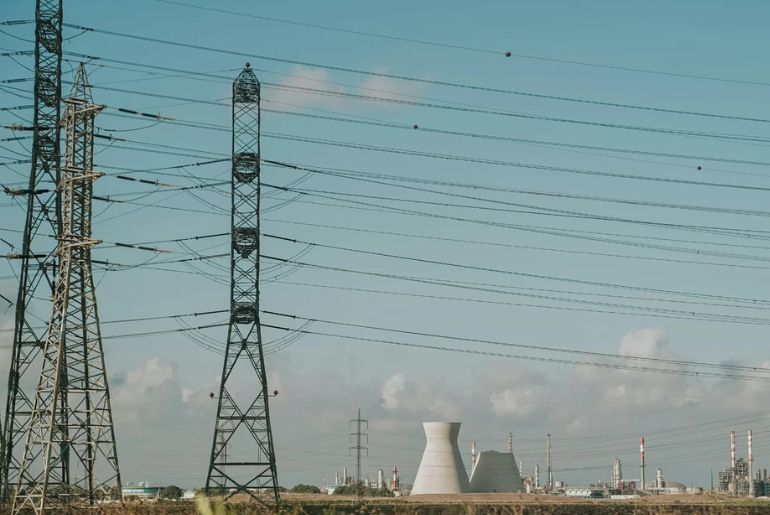
Transmission infrastructure has been allocated ₹21,175 crore for FY 2026–27, reflecting KSEBL’s priority on grid strengthening and reliability. A major portion of this allocation supports the ongoing TransGrid 2.0 programme, which aims to modernise and expand the intra-state transmission network to accommodate rising renewable energy penetration. Conventional transmission works, system operation projects, and Power System Development Fund initiatives are also included to improve grid stability.
Distribution and Consumer-Facing Infrastructure
The distribution segment has been allotted ₹21,669 crore, with the Dyuthi scheme accounting for the largest share. These investments are intended to improve last-mile connectivity, reduce outages, and enhance service quality. The plan also includes significant funding for smart metering, reflecting KSEBL’s push toward advanced metering infrastructure and improved energy management.
Generation and Renewable Energy Integration
For the generation segment, ₹2,849 crore has been earmarked. Hydropower projects continue to form the backbone of generation investments, covering ongoing and new hydel initiatives such as Mankulam, Thottiyar, Pazhassi Sagar, Upper Sengulam, and Chinnar. Allocations also cover renovation and modernisation of existing hydel stations, limited thermal generation works, and renewable energy projects including solar, wind, PM-KUSUM, and SOURA programmes.
Additional funds have been set aside for dam safety, desiltation, environmental studies, and other generation-related works.
Energy Storage, EV Charging, and Digital Systems
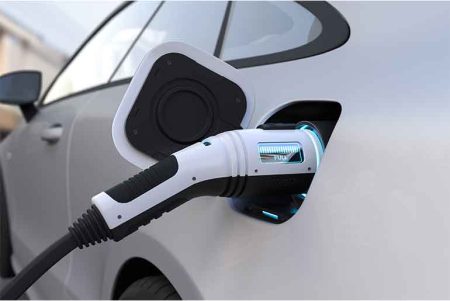
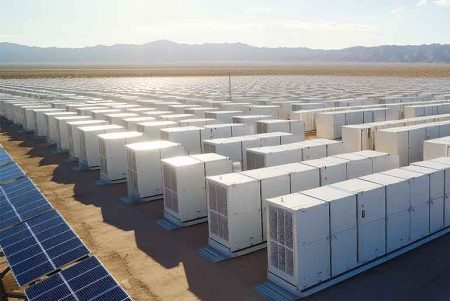
KSEBL has allocated dedicated funding for Battery Energy Storage Systems (BESS) and preparatory work for pumped storage projects, underlining the role of storage in balancing renewable energy integration. EV charging infrastructure is another key focus area, with substantial investment planned to support the growing adoption of electric mobility in the state.
IT systems and digital infrastructure form one of the largest components of the capital plan. Significant funding has been approved under the Revamped Distribution Sector Scheme (RDSS) for smart meters, SCADA systems, IT/OT projects, and digital grid management, aimed at improving operational efficiency and transparency.
Alignment with Renewable and Storage Obligations
These investments are critical for meeting Kerala’s Renewable Purchase Obligation (RPO) and Energy Storage Obligation (ESO) targets. For FY 2026–27, the minimum RPO is set at 46% of total consumption, while the ESO stands at 1.5%, with the majority of stored energy required to come from renewable sources.
Revised FY 2025–26 Plan
Alongside the new approvals, the board also cleared a revised capital outlay of ₹24,790 crore for FY 2025–26, scaled down from earlier estimates due to project deferments and slower execution of certain initiatives.
Overall, KSEBL’s approved capital expenditure plan reflects a strong commitment to building a resilient, modern, and sustainable power system, supporting renewable energy integration, grid modernisation, and Kerala’s transition to a greener energy future.
 Electrify your feed! Click here to join our Whatsapp group and to get the latest updates, expert insights, and innovations driving India’s energy storage revolution.