

Lebanon is planning to expand its renewable energy capacity through a proposed national energy investment programme that includes solar power, wind energy, battery storage and regional electricity interconnections. The initiative aims to improve electricity supply, strengthen grid reliability and reduce the country’s dependence on costly fossil fuels.
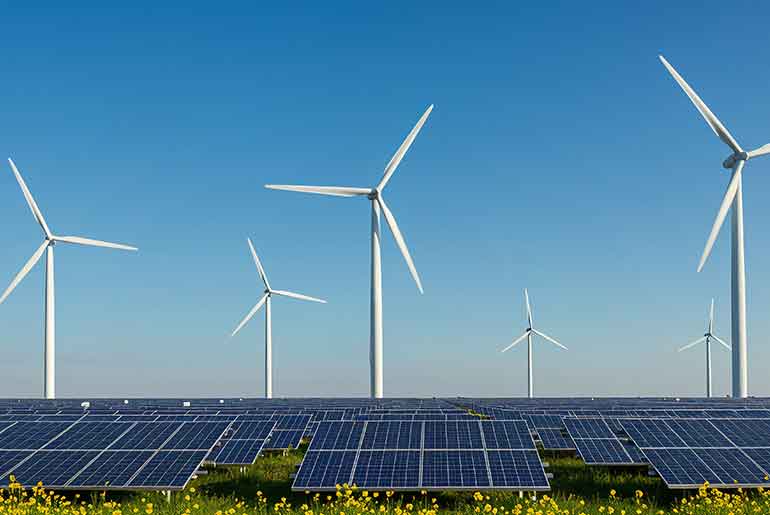
Under the proposed plan, Lebanon intends to add 800 MW of solar power capacity and develop 440 MW of wind energy projects. The programme also includes battery energy storage systems and stronger electricity connections with neighbouring countries to support a more reliable and diversified power network.
Solar energy is expected to play a key role in the proposed expansion, helping Lebanon increase domestic electricity generation from renewable sources. Battery energy storage systems could further support this transition by storing surplus electricity generated during periods of high renewable output and supplying it when generation declines or demand increases.
Lebanon has struggled with persistent electricity shortages for years, affecting households, businesses and industrial operations. Many consumers have consequently relied on private diesel generators to meet their electricity needs. However, this alternative increases energy costs and contributes to air pollution and greenhouse gas emissions.
The proposed investment programme aims to address these challenges by expanding renewable power generation and upgrading electricity infrastructure. Greater deployment of solar and wind energy could reduce reliance on conventional fuel-based generation while supporting efforts to lower emissions and improve energy security.
Battery storage and regional grid interconnections are also important components of the proposed framework. Energy storage could help balance fluctuations in renewable electricity generation, while cross-border electricity connections could provide additional flexibility in managing supply and demand.
The planned expansion could create investment opportunities across renewable energy generation, battery storage, transmission infrastructure and related technologies. However, implementation will depend on securing project financing, developing the necessary infrastructure, establishing supportive regulations and coordinating efforts among relevant authorities.
If implemented, the proposed 800 MW solar and 440 MW wind programme could support Lebanon’s efforts to modernise its electricity sector, diversify its energy mix and reduce dependence on expensive fossil fuels. The integration of renewable energy, storage systems and regional power connections could also contribute to a more stable and sustainable electricity supply.
 Electrify your feed! Click here to join our Whatsapp group and to get the latest updates, expert insights, and innovations driving India’s energy storage revolution.