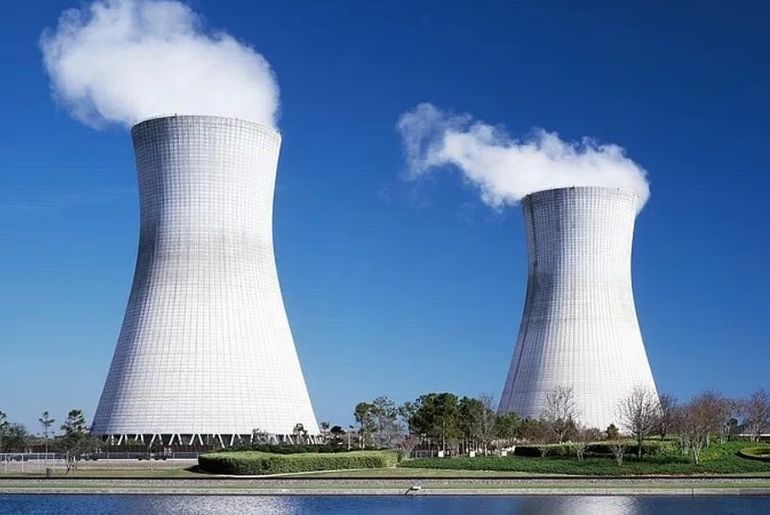
Maharashtra is moving closer to establishing the country’s first thorium-fueled power plants, as the state government holds advanced discussions with the Department of Atomic Energy (DAE) and the Nuclear Power Corporation of India Ltd (NPCIL) to make this ambitious project a reality.
Two Major Units Proposed
Under the proposal, two thorium power units are being considered one with a capacity of 1,540 MW and another of 440 MW. These plants are intended to be built on land owned by MAHAGENCO, the state power utility, which is also actively involved in talks.
Clean and Affordable Electricity Goal
The project is being led by the Maharashtra Institution for Transformation (MITRA), a state government think tank. Officials say this plan not only supports cleaner energy but is also designed to deliver cheaper electricity. A state official said:
“This is part of the energy transition plan to decarbonise the state in line with Prime Minister Narendra Modi’s vision for a Viksit Bharat. This is also part of the state’s roadmap for using nuclear energy for civilian use.”
Technical and Cost Benefits
According to sources involved in discussions, the proposed setup could include two 770 MW units in one district and two 220 MW units in another. Another official explained the advantages of thorium energy:
“The advantages of Thorium are many… it is safer and India has abundance of it and while it would be slightly costlier than setting up a thermal power plant, however, the running cost of a thorium power plant is much less than that of a thermal power plant. Our estimates are that power from this Thorium power plant would be priced at ₹3.50 per unit.”
Unlike traditional uranium-based nuclear plants, thorium reactors are considered safer and operate at atmospheric pressure, reducing the risk of a severe meltdown.
Next Steps and Challenges
While Maharashtra had previously signed a Memorandum of Understanding with Russian energy firm ROSATOM for thorium projects, sources say that option may be less viable because ROSATOM’s thorium technology is more expensive compared to NPCIL’s planned plants.
 Electrify your feed! Click here to join our Whatsapp group and to get the latest updates, expert insights, and innovations driving India’s energy storage revolution.