The Godavari Marathwada Irrigation Development Corporation (GMIDC) has invited Expressions of Interest (EOIs) for a 170 MW AC floating solar project integrated with a Battery Energy Storage System (BESS) in Maharashtra. Interested parties have been asked to submit their EOIs by August 21, 2026.
The proposed project is aimed at combining floating solar photovoltaic (PV) generation with energy storage, allowing Maharashtra to utilise its water infrastructure for renewable power generation while improving the reliability and flexibility of electricity supply.
The EOI marks an early stage in the development of the large-scale hybrid renewable energy project. Through the initiative, GMIDC is seeking interest from companies and developers with the capabilities required to undertake floating solar and energy storage projects.
Floating solar and storage
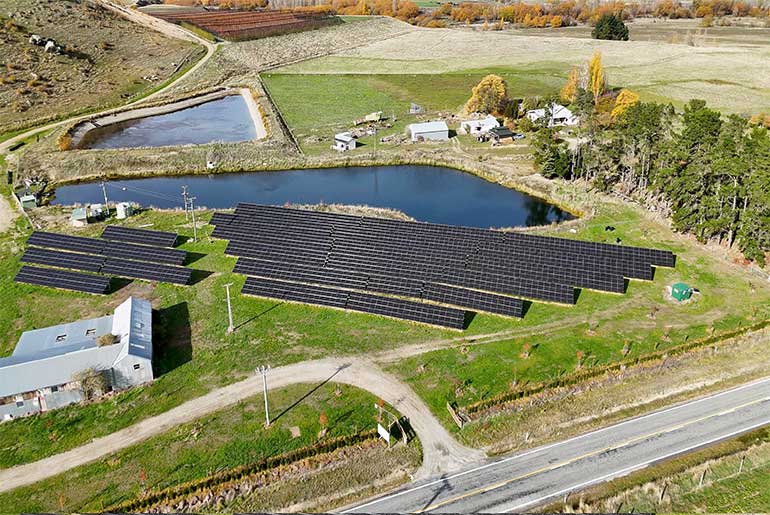
Unlike conventional ground-mounted solar projects, floating solar plants are installed on water bodies, enabling developers to utilise available reservoir surfaces for renewable power generation.
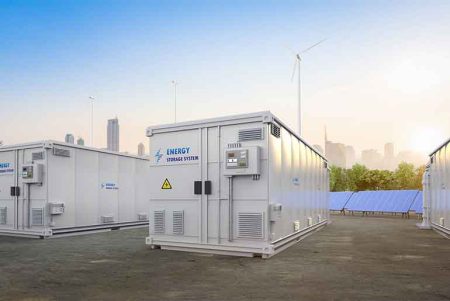
The integration of BESS adds an additional component to the proposed project. Battery storage can help manage variations in renewable generation and support the delivery of electricity when solar generation is unavailable or lower.
The combination of floating solar and BESS is gaining attention as India expands its renewable energy capacity and looks for solutions to address intermittency and grid-balancing requirements.
Opportunity for developers and EPC companies
The proposed 170 MW project could create opportunities for renewable energy developers, engineering, procurement and construction (EPC) companies and energy storage solution providers.
Floating solar projects require specialised expertise in areas such as floating structures, anchoring and mooring systems, electrical infrastructure and installation on water bodies. The addition of BESS also requires expertise in battery systems, power conversion and integration with the solar plant and grid.
Companies with experience in both renewable generation and energy storage could therefore be well positioned to participate in subsequent stages of the project.
The scale of the proposed project also points to the potential requirement for significant equipment and supply-chain capabilities, including solar modules, battery systems, electrical equipment and associated balance-of-system components.
EOI deadline set for August 21
GMIDC has set August 21, 2026, as the deadline for interested parties to submit their EOIs.
Following the EOI process, GMIDC is expected to evaluate responses and use the inputs to determine the technical and commercial framework for the next stage of project development. Further details, including the formal bidding process and project-specific requirements, are expected to be provided through subsequent notifications.
The development comes as Maharashtra and other Indian states increasingly explore renewable energy projects that combine generation with storage.
For Maharashtra, floating solar also offers an opportunity to use existing water resources for clean power generation without requiring large parcels of additional land.
The proposed 170 MW floating solar project with BESS therefore represents a significant opportunity in the state’s renewable energy pipeline and highlights the growing role of hybrid solar-storage projects in India’s transition towards a more flexible and reliable clean energy system.
 Electrify your feed! Click here to join our Whatsapp group and to get the latest updates, expert insights, and innovations driving India’s energy storage revolution.