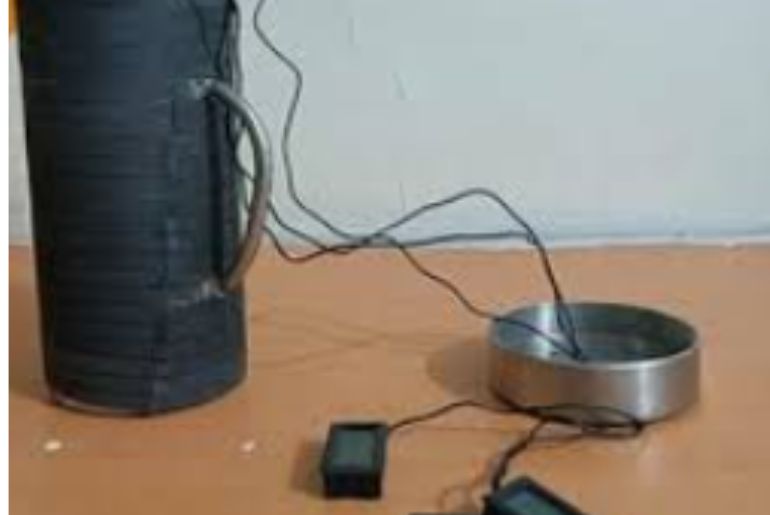
Researchers at MIT World Peace University (MIT-WPU) have developed an innovative solar thermal battery system capable of storing heat energy for up to 14 hours after sunset, marking a significant advancement in renewable energy storage technology. The breakthrough is aimed at addressing one of the key challenges in solar energy utilization—intermittency caused by the absence of sunlight during nighttime hours.
The newly developed system captures and stores thermal energy generated during the daytime using solar radiation. This stored heat can then be retained and released for use well into the night, ensuring a more continuous and reliable energy supply. According to the research team, the technology has the potential to improve the efficiency of solar-based heating applications and reduce dependency on conventional energy sources.
Unlike traditional solar photovoltaic systems that convert sunlight directly into electricity, solar thermal batteries focus on storing heat energy, which can be used for industrial processes, water heating, space heating, and other thermal applications. The MIT-WPU innovation is designed to enhance heat retention efficiency, allowing energy to be available for extended periods after sunset.
The development is part of ongoing efforts to create more sustainable and cost-effective energy storage solutions that can support the global transition toward clean energy. Energy storage remains a critical component in the widespread adoption of renewable energy technologies, particularly in regions with high solar potential but inconsistent energy demand patterns.
Researchers believe that the 14-hour heat retention capability could make the system suitable for both residential and industrial applications, potentially reducing electricity consumption during peak hours and lowering overall energy costs. The technology may also contribute to reducing greenhouse gas emissions by minimizing reliance on fossil fuel-based heating systems.
The project highlights the growing role of academic institutions in advancing renewable energy innovation in India. With continued research and development, such technologies could play a key role in strengthening the country’s clean energy infrastructure and supporting long-term sustainability goals.
Further testing and scaling are expected before commercial deployment, but the development represents a promising step toward improving the practicality and efficiency of solar thermal energy systems.
 Electrify your feed! Click here to join our Whatsapp group and to get the latest updates, expert insights, and innovations driving India’s energy storage revolution.