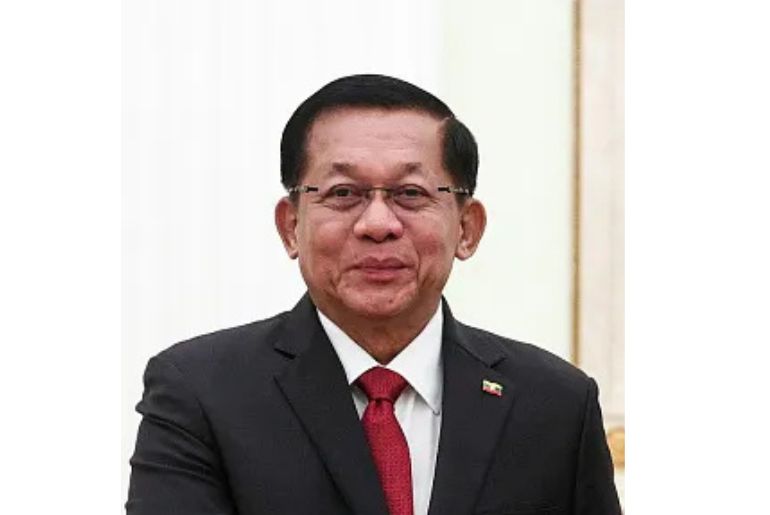
Myanmar President U Min Aung Hlaing visited NTPC’s Energy Technology Research Alliance (NETRA) R&D centre in Greater Noida during his official visit to India, highlighting growing cooperation between India and Myanmar in the field of clean energy and advanced power technologies.
During the visit, the President and his delegation were briefed on NETRA’s ongoing research and innovation activities aimed at supporting India’s energy transition and net-zero goals. The discussions focused on key areas such as carbon capture, utilisation and storage (CCUS), green hydrogen production, renewable energy integration, long-duration energy storage systems, and waste-to-energy technologies.
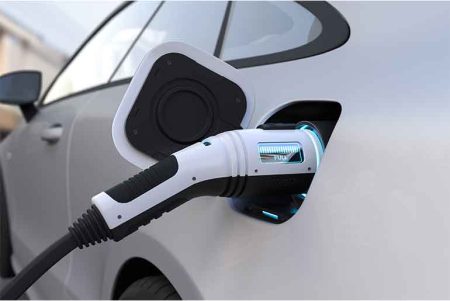
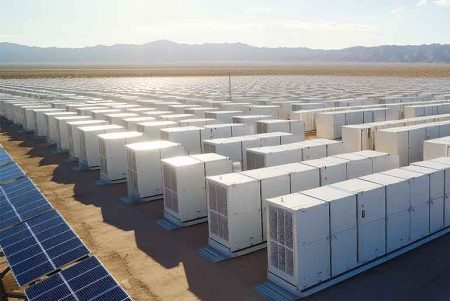
The delegation was also shown several pilot and demonstration projects developed at the facility. These included solar microgrids designed for decentralized energy access, advanced battery energy storage systems to improve grid stability, CO₂-to-fuel conversion technologies, and waste gasification solutions aimed at reducing environmental impact while generating usable energy.
NTPC Chairman and Managing Director Gurdeep Singh welcomed the delegation and presented NTPC’s broader vision for sustainable energy development. He also highlighted opportunities for collaboration between India and Myanmar in areas such as clean energy deployment, technology transfer, skill development, and capacity building.
The visit included detailed interactions on how NETRA’s research is contributing to reducing carbon emissions and improving efficiency across the power sector. Officials also discussed the role of innovation in accelerating the adoption of low-carbon technologies in emerging economies.
The engagement underscored the importance of regional partnerships in addressing global climate challenges and promoting sustainable development. It also reaffirmed NETRA’s position as a key research and development hub for NTPC, driving innovation in clean energy solutions and supporting India’s long-term energy security and environmental goals.
Overall, the visit marked an important step in strengthening bilateral energy cooperation and exploring future avenues of collaboration in the clean energy transition.
 Electrify your feed! Click here to join our Whatsapp group and to get the latest updates, expert insights, and innovations driving India’s energy storage revolution.