India’s leading power companies are stepping up preparations for large-scale nuclear expansion, with NTPC and the Adani Group identifying potential project sites across multiple states following the enactment of the Sustainable Harnessing and Advancement of Nuclear Energy for Transforming India (SHANTI) Act, 2025.
The landmark legislation, which replaced the Atomic Energy Act, 1962 and the Civil Liability for Nuclear Damage (CLND) Act, 2010, opened India’s civil nuclear sector to regulated private participation while retaining government oversight of strategic activities. However, the Centre is yet to notify the detailed rules governing private-sector involvement in nuclear power projects.
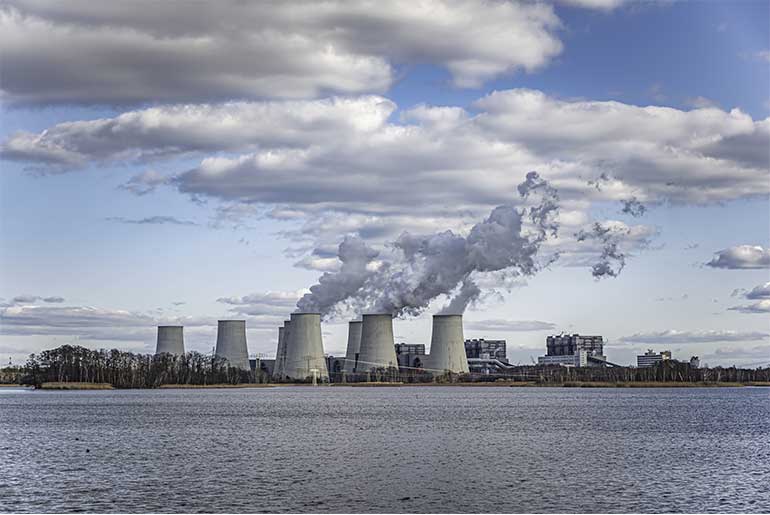
According to sources, NTPC has identified more than 30 potential sites across Andhra Pradesh, Madhya Pradesh, Gujarat, Odisha, Chhattisgarh, Uttar Pradesh, and Rajasthan. The state-owned utility has already initiated preliminary studies at around 10 locations as it advances its long-term nuclear strategy.
NTPC’s first anchor project is the 2.8 GW Mahi Banswara Nuclear Power Plant in Rajasthan, which is being developed by Anushakti Vidhyut Nigam Limited (ASHVINI), a joint venture between Nuclear Power Corporation of India Limited (NPCIL) and NTPC. Beyond this partnership, the company aims to develop 30 GW of nuclear power capacity by 2047 and recently announced plans to invest nearly ₹1.28 lakh crore in nuclear energy through FY2037.
Meanwhile, Adani Power is evaluating nuclear development opportunities at Bina and Nigrie in Madhya Pradesh. The company is carrying out preliminary site assessments while awaiting the government’s final regulatory framework for private nuclear projects.
The identified locations are part of the assets acquired through Jaiprakash Associates. Under the approved ₹14,535-crore debt resolution plan, Adani Enterprises has entered into agreements to acquire a 24% stake in Jaiprakash Power Ventures, along with other thermal power assets.
To strengthen its entry into the nuclear energy sector, the Adani Group has established Adani Atomic Energy as a dedicated subsidiary. It has also incorporated two step-down subsidiaries to undertake nuclear power generation, transmission, and distribution activities.
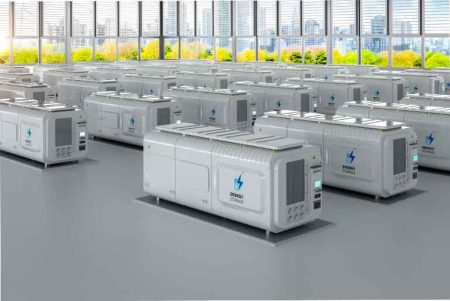
The growing interest from both public and private sector companies reflects India’s long-term strategy to diversify its clean energy mix. Nuclear energy is expected to play an increasingly important role in providing reliable, low-carbon baseload electricity, complementing the country’s rapid expansion of renewable energy and battery energy storage systems.
 Electrify your feed! Click here to join our Whatsapp group and to get the latest updates, expert insights, and innovations driving India’s energy storage revolution.