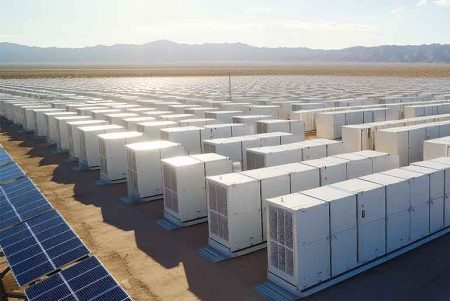
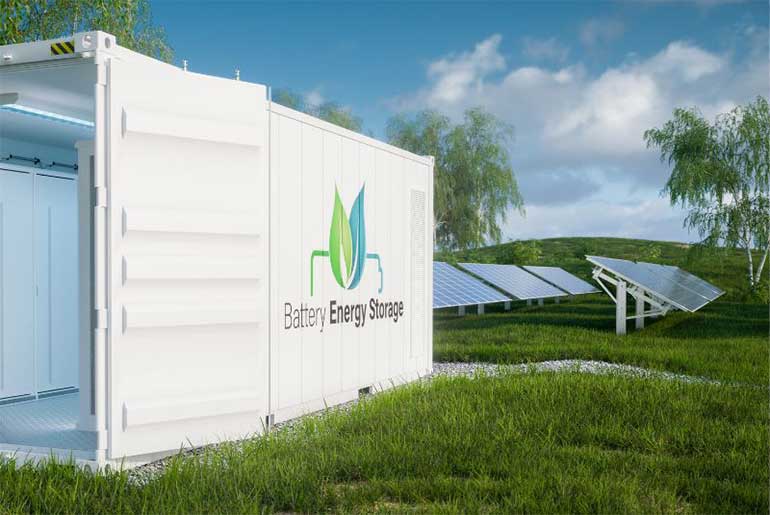
NTPC Vidyut Vyapar Nigam Limited (NVVN), a fully owned subsidiary of NTPC Limited, has issued a Request for Selection (RfS) on a large-scale battery energy storage project in Kerala. The project will involve the acquisition of a 250 MW / 500 MWh standalone Battery Energy Storage System (BESS) to reinforce the power system of the state and improve its grid stability. BESS will be applied to the Kerala State Electricity Board (KSEBL) and will be linked to the network of the State Transmission Utility (STU). It has the main idea of helping in balancing the grid and helping in integrating the fluctuating renewable energy sources such as wind and solar.
One of the specifics of the project is the way it is financed
It is supported by the Viability Gap Funding (VGF) provided by the Power System Development Fund (PSDF) that assists in bridging the gap between the actual economic cost of the project and the tariff that KSEBL can afford to pay. This financing enables the developers to make the project commercially viable and allows consumers to keep the price of electricity within reason. BESS, having a power of 250MW and a storage capacity of 500 MWh, will be very vital in the control of peak demand and grid stability in the whole of Kerala.
NVVN has set up transparent schedules and eligibility of bidders. It is assumed that the tender will attract both domestic and international developers, highlighting the increasing role played by utility-scale energy storage in India.
Financially, commitment-wise, bidders will be required to place an Earnest Money Deposit (EMD), which is an amount of 12.5 crore as a security deposit, and this will also ensure that only serious and capable firms are participating. Upon successful bidding, the winning party is required to provide a Performance Bank Guarantee (PBG) in the amount of 25 crores to ensure timely completion, successful commissioning and maintenance of operations as per the agreed terms with KSEBL and NVVN.
The project will be an important move towards grid-scale energy storage in India. It will help Kerala to combine renewable energy, provide a reliable supply during the peak hours, and add resilience to the electricity system of Kerala. The active application of such a large BESS serves as an example of how government-backed financial instruments such as VGF may make renewable energy projects more lucrative and safeguard the interests of consumers. All in all, the NVVN RfS of the 250 MW / 500 MWh BESS is a resounding step towards the establishment of a more stable, efficient and sustainable power infrastructure in India.
The project, in its size, organization of finances, and technical standards, is indicative of the increased investment in high-tech energy storage by India. As the submission dates draw near, it can be expected that developers will compete with each other and that there will be more and more energy to integrate renewable energy and modernize the grid across the states. The active nature of Kerala can act as an example and inspire other similar initiatives in other states, thus supporting the clean energy shift in the country and the stability of its energy infrastructure.
 Electrify your feed! Click here to join our Whatsapp group and to get the latest updates, expert insights, and innovations driving India’s energy storage revolution.