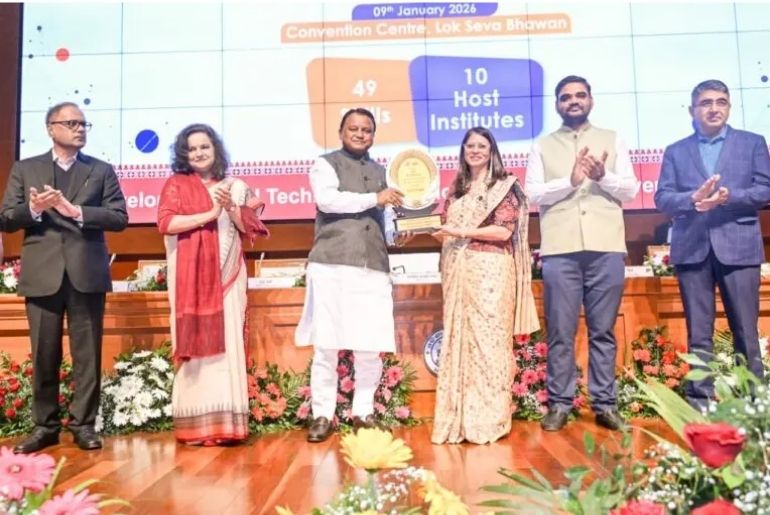
The Odisha Cabinet approved a proposal for the establishment of an integrated ingot‑wafer and solar cell manufacturing project by Tata Power Renewable Energy Limited (TPREL) in the state, marking a significant step towards strengthening India’s domestic solar manufacturing ecosystem. The project will be developed at the Tata Special Economic Zone (SEZ) in Odisha, as confirmed by Chief Secretary Anu Garg following the Cabinet meeting chaired by Chief Minister Mohan Charan Majhi.
First-of-its-Kind Upstream Solar Facility in Odisha
The approved project is Odisha’s first upstream solar manufacturing facility, spanning the complete value chain from ingot and wafer production to solar cell manufacturing. The facility will be executed in two phases, with an overall capacity of 10 GW for ingot-wafer production and 5 GW for solar cell manufacturing. It is designed to significantly reduce India’s dependence on imported solar components while contributing to the government’s target of achieving 100 GW domestic solar module manufacturing capacity by 2030.
Employment Generation and Economic Impact
The project is expected to create over 5,000 direct and indirect jobs, including high-skill positions in solar manufacturing. In addition, it will stimulate growth in related Micro, Small, and Medium Enterprises (MSMEs), covering industries such as glass, chemicals, packaging, logistics, and precision machinery. The development is also projected to enhance tax revenues and strengthen the regional economy.
Strategic Significance
By establishing this integrated facility, Tata Power Renewable Energy Limited aims to support India’s energy transition and promote self-reliance in the solar sector. The initiative aligns with the government’s broader renewable energy objectives and underscores Odisha’s role as a hub for advanced solar manufacturing.
The approval signals a major push for upstream solar development in India, creating opportunities for technological innovation and investment in renewable energy infrastructure. Once operational, the facility is expected to reinforce the country’s clean energy supply chain and position Odisha as a key contributor to India’s solar ambitions.
 Electrify your feed! Click here to join our Whatsapp group and to get the latest updates, expert insights, and innovations driving India’s energy storage revolution.