Oyster Renewable has signed a binding term sheet with Kutch Chemical Industries Limited to supply 25.2 MW of round-the-clock (RTC) renewable electricity through a captive wind-solar hybrid project in Gujarat.
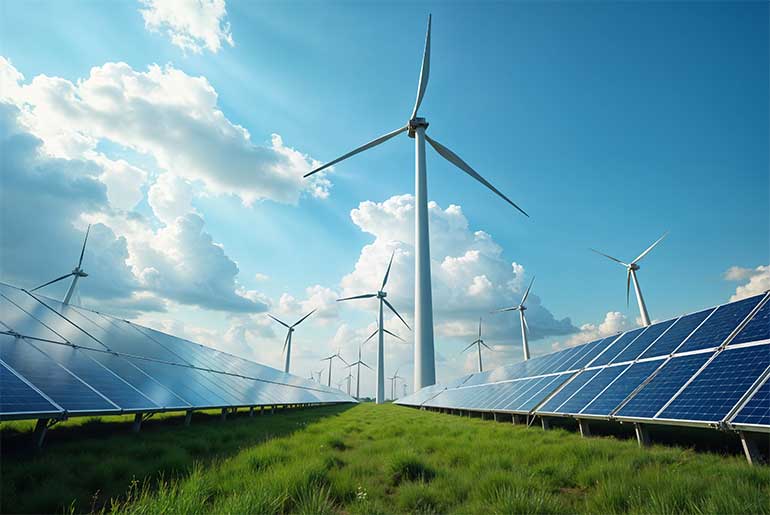
The proposed project will combine 25.2 MW of wind capacity with 27.72 MWp of solar capacity, providing a firm and reliable supply of renewable power to Kutch Chemical’s operations.
The project marks Oyster Renewable’s third renewable energy development in Gujarat, strengthening the company’s presence in one of India’s key renewable energy markets. Once operational, the hybrid facility is expected to generate more than 108,000 MWh of renewable electricity annually and help avoid approximately 85,000 tonnes of carbon dioxide emissions each year.
The project will operate under a captive renewable energy model, which is gaining traction among industrial and manufacturing companies seeking dependable clean electricity while managing energy costs and meeting decarbonisation targets.
By combining wind and solar generation, the project is designed to provide a more consistent renewable power supply compared with relying on a single generation source. The RTC structure is intended to improve power availability for industrial consumers while reducing their dependence on conventional electricity sources.
Siddharth Bhatia, Managing Director and CEO of Oyster Renewable, said Gujarat remains an important market for the company and that the new project reflects its long-term commitment to the state.
He added that the partnership with Kutch Chemical will provide 25.2 MW of round-the-clock wind-solar power, while helping avoid nearly 85,000 tonnes of CO2 emissions annually and providing the reliability associated with captive hybrid renewable power.
The agreement is expected to support Oyster Renewable’s plans to expand its RTC renewable energy portfolio in Gujarat and deepen its presence among industrial and manufacturing customers.
For Kutch Chemical, the project provides an opportunity to secure long-term renewable electricity for its operations while advancing its sustainability and emissions-reduction objectives. The development also highlights the growing role of captive hybrid projects in meeting the power requirements of energy-intensive industries.
 Electrify your feed! Click here to join our Whatsapp group and to get the latest updates, expert insights, and innovations driving India’s energy storage revolution.