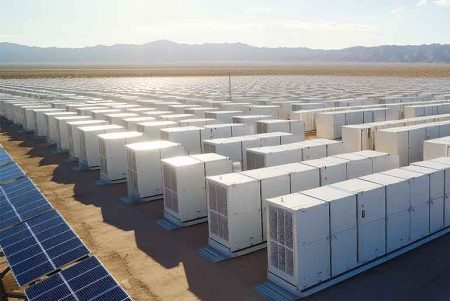
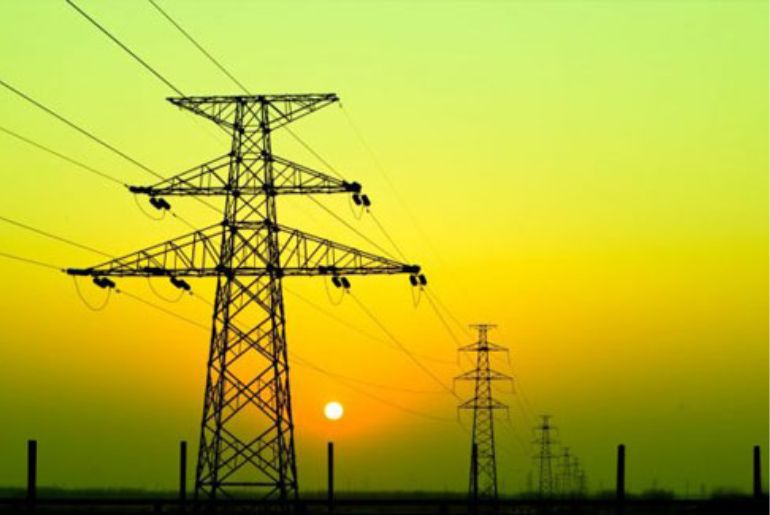
Power Grid Corporation of India Ltd (POWERGRID), a Maharatna public sector undertaking under the Ministry of Power, through its wholly‑owned subsidiary POWERGRID Bhadla Sikar Transmission Ltd., has successfully commissioned a major inter‑state transmission project to enable the evacuation of 8.1 GW of solar power from Rajasthan’s large‑scale solar energy zones.
The project, officially titled “Transmission system strengthening scheme for evacuation of power from Solar Energy Zones in Rajasthan (8.1 GW) under Phase II – Part E,” was fully commissioned with effect from January 14, 2026, following physical commissioning on that date and receipt of the Notification for Commercial Operation on January 16, 2026, the company said in regulatory filings to the stock exchanges.
Awarded through the Tariff Based Competitive Bidding (TBCB) mechanism, the transmission infrastructure is designed to strengthen evacuation capacity from high‑yield solar parks, including the Bhadla‑Sikar area one of India’s most productive solar regions.
Enhanced Grid Connectivity to Boost Renewable Integration
The commissioning of the transmission link marks a significant milestone in bolstering India’s renewable energy transmission network and addressing longstanding grid congestion and curtailment issues faced by developers in Rajasthan’s solar zones.
“The system’s activation ensures seamless power evacuation from these 8.1 GW zones, addressing longstanding bottlenecks in integrating vast renewable capacities,” noted industry sources.
By enhancing grid connectivity, the project supports the broader Green Energy Corridor initiative, which aims to reliably channel solar energy from sun‑drenched deserts to national load centres while reinforcing grid stability for variable renewable inputs.
Strategic Importance and Sector Context
POWERGRID’s successful execution of this project demonstrates continued leadership in building interstate transmission systems critical for India’s energy transition. The company’s expanding portfolio also includes recent wins in renewable integration projects across other states, such as a 3 GW transmission project in Karnataka, further contributing to national decarbonisation goals.
This newly commissioned infrastructure is expected to play a pivotal role in scaling up renewable energy generation and strengthening India’s grid to support an accelerated shift towards non‑fossil fuel power sources.
 Electrify your feed! Click here to join our Whatsapp group and to get the latest updates, expert insights, and innovations driving India’s energy storage revolution.