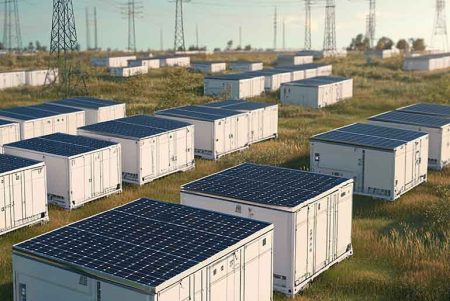
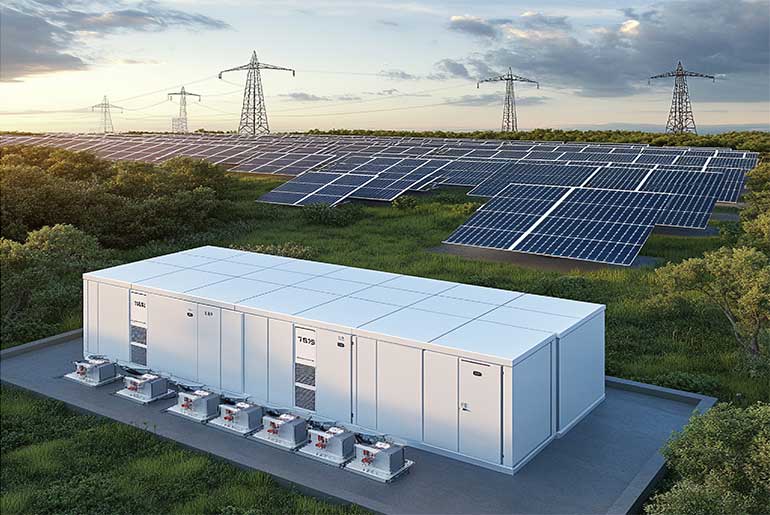
Serentica Renewables, the renewable energy platform of the Vedanta Group, has commissioned the first 200 MWh phase of its planned 1 GWh Battery Energy Storage System (BESS) in Bikaner, Rajasthan, marking the company’s entry into utility-scale energy storage for the commercial and industrial (C&I) sector.
The newly commissioned BESS is designed to store excess renewable energy generated during the day and discharge it during peak demand hours, enabling the supply of clean electricity even after sunset. According to the company, the system features a modular architecture that offers operational flexibility, scalability, and rapid response capabilities while enhancing grid stability and supporting higher renewable energy integration.
Serentica said the Bikaner project is a key component of one of the world’s first time-block Round-the-Clock (RTC) renewable power solutions for industrial consumers. By combining renewable generation with battery storage, the project aims to deliver reliable 24×7 clean power, helping industries reduce carbon emissions without compromising operational continuity.
Commenting on the development, Akshay Hiranandani, Chief Executive Officer of Serentica Renewables, said battery energy storage systems will play a vital role in India’s next phase of the energy transition by ensuring renewable power is available whenever required. He added that commissioning the first phase of the 1 GWh project strengthens the company’s capability to provide dependable round-the-clock renewable energy through advanced energy storage technologies.
The Rajasthan project is the first step in Serentica’s broader energy storage expansion strategy. The company plans to develop a 7 GWh battery storage pipeline over the next two years, creating one of India’s largest BESS portfolios dedicated to the commercial and industrial sector. The planned expansion is expected to enhance the availability of dispatchable renewable energy and support industries seeking reliable, low-carbon power solutions.
The commissioning comes as battery energy storage systems are becoming increasingly important for balancing intermittent renewable generation, improving grid reliability, and accelerating India’s transition toward a cleaner and more resilient power system.
 Electrify your feed! Click here to join our Whatsapp group and to get the latest updates, expert insights, and innovations driving India’s energy storage revolution.