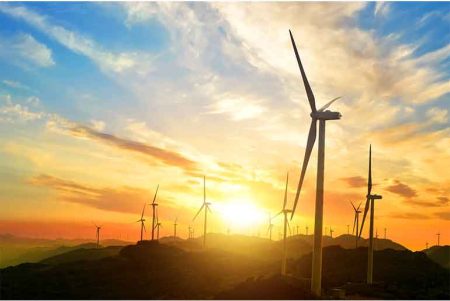
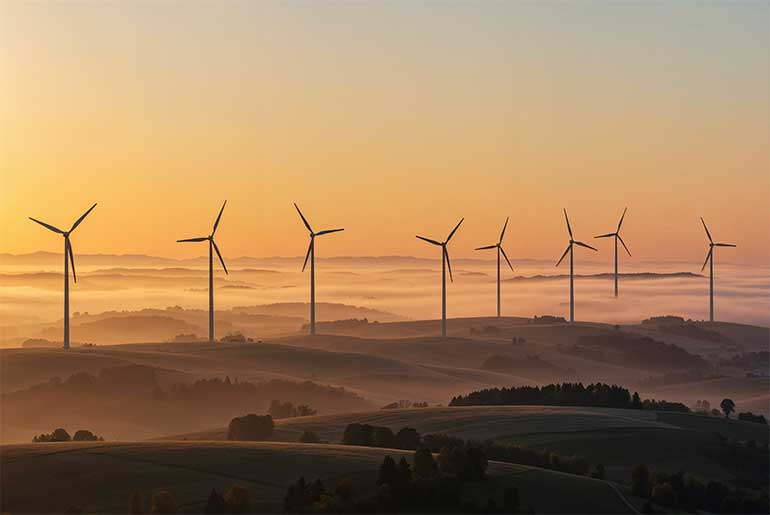
Tamil Nadu has an ambitious target to raise the share of renewable energy in its overall power mix to 50% by 2031, with plans to expand generation capacity, strengthen the electricity grid and modernize transmission and distribution infrastructure.
The state’s renewable energy roadmap comes as demand for electricity from key sectors like industries, agriculture and transportation continues to grow. Tamil Nadu plans to meet this growing demand with more renewable generation, battery energy storage systems (BESS), solarization programs and power distribution network upgrades.
The total installed capacity of power generation in Tamil Nadu was 46,846 MW as on July 1, 2026. Renewable energy sources such as hydropower, wind, solar, biomass and co-generation accounted for 28,348 MW or 60.5% of the state’s installed capacity. The remaining 18,498 MW came from conventional sources of power.
The state’s roadmap for 2026-27 includes additional capacity addition through utility-scale solar and wind projects, along with the deployment of battery energy storage systems. Feeder solarization is also expected to form a key component of the state’s renewable energy strategy. “Southern districts with abundant solar and wind resources are expected to remain prime areas for renewable energy development.
Hydropower and Biomass Growth
Hydro power will continue to be a part of the renewable energy mix in Tamil Nadu. Currently, the state has 47 hydroelectric power plants with an installed capacity of 2,325.90 MW. The state has aimed to produce 4,776 million units of power through hydropower in 2026-27 with an average station availability of over 80 per cent.
Renovation and modernization work at the Moyar and Kodayar hydropower stations is also expected to add to the state grid 12 MW capacity.
Tamil Nadu is also planning to enhance co-generation capacity on bagasse. The planned capacity of 12 plants is 183 MW. 7 projects with a total capacity of 108 MW have been commissioned.
Rooftop Solar Drive
The clean energy approach of Tamil Nadu also crucially includes rooftop solar. Tamil Nadu Generation and Distribution Corporation (TNGECL) has kick-started plans to use vacant rooftops of government buildings for solar power generation under the PM Surya Char program and the Renewable Energy Service Company (Resco) model.
A tender has also been issued for setting up 20 MW of grid connected rooftop solar projects in Chennai, Chengalpattu, Kanchipuram and Tiruvallur districts.
Expansion of EV Charging Network
Tamil Nadu too is linking its renewable energy strategy to the growth of electric mobility. The state plans to build 20,000 electric vehicle (EV) charging stations by 2031, starting with the major routes linking important cities.
As of April 2026, there were about 5.50 lakh registered EVs and 2,425 functional charging stations available in Tamil Nadu. Under the PM e-Drive scheme, feasibility studies have been completed at 528 locations to support further charging infrastructure development.
The roadmap also proposes a capital subsidy of 50 per cent with a ceiling of Rs 50,000 for setting up EV charging facilities in apartment complexes. A dedicated ‘TN EV’ mobile application has been developed for the benefit of the EV users to locate the charging stations and make digital payments.
Improving Power Distribution
Tamil Nadu plans to enhance electricity reliability and consumer services along with the expansion of renewable energy. Plans include daily public disclosure of power outages, deployment of 125 fuse-off call vehicles, 77 additional fuse-off call centers and seven new breakdown service teams.
A WhatsApp chatbot is also suggested to allow consumers to register complaints and track their resolution in real time.
Tamil Nadu’s power sector roadmap includes expansion of renewable energy coupled with energy storage, continued conventional generation and upgrades to transmission and distribution infrastructure. The state plans to integrate solar, wind, hydropower, biomass, BESS and EV infrastructure to meet rising electricity demand, increase the share of clean energy in its power system and move toward its 50% renewable energy target by 2031.
 Electrify your feed! Click here to join our Whatsapp group and to get the latest updates, expert insights, and innovations driving India’s energy storage revolution.