For decades, energy infrastructure was built in silos. Power generation, transmission, storage, fuel systems, and industrial applications were planned and executed as separate ecosystems. Utilities focused on supplying electricity, transmission companies focused on moving it, and industrial users focused on consumption. This fragmented approach worked reasonably well when energy systems were relatively predictable and centrally managed. However, the structure of the energy sector is now changing rapidly.
The transition toward cleaner and more decentralised energy systems is reshaping how infrastructure must be designed, operated, and scaled. Renewable energy, storage technologies, hydrogen systems, digital monitoring platforms, and distributed power networks are no longer functioning independently. They are becoming increasingly interconnected. As a result, the next decade of energy infrastructure will be defined not by isolated assets, but by integrated systems capable of operating together efficiently and reliably.
India’s energy transition journey reflects this shift clearly. The conversation is no longer limited to adding renewable capacity. The larger challenge is building infrastructure ecosystems that combine generation, transmission, storage, manufacturing, and deployment into a coordinated framework capable of supporting long-term economic and industrial growth.
Why the Traditional Energy Model Is Changing
Conventional energy systems were built around centralised generation and predictable demand patterns. Large thermal power plants supplied electricity through fixed transmission networks to consumers whose consumption patterns changed gradually over time. Planning was relatively linear.
Renewable energy has altered this structure. Solar and wind generation depend on environmental conditions, making energy supply more variable. At the same time, growing electrification, digital infrastructure, industrial decarbonisation, and electric mobility are changing demand patterns. Energy systems are becoming more dynamic and interconnected than ever before.
This complexity cannot be managed effectively through isolated infrastructure planning. A solar plant without transmission readiness creates bottlenecks. Storage systems without proper grid integration offer limited value. Hydrogen production without supporting logistics and industrial deployment infrastructure struggles to scale. The sector is increasingly recognising that individual technologies alone cannot solve broader energy challenges.
Integration is becoming essential because every part of the energy chain now influences another.
Transmission Infrastructure Is Becoming Central Again
For many years, renewable energy discussions focused primarily on generation capacity. However, transmission infrastructure is now returning to the centre of strategic planning. As renewable installations expand into remote regions, the ability to evacuate and distribute power efficiently becomes critical.
India’s renewable growth has highlighted the importance of grid readiness. Large-scale solar and wind projects are often located in regions with high resource availability but limited infrastructure connectivity. Without coordinated transmission expansion, renewable generation risks becoming stranded capacity.
Modern transmission systems must now support bidirectional power flow, decentralised generation, storage integration, and fluctuating load patterns. This requires not only physical infrastructure upgrades but also smarter planning and digital coordination.
Transmission networks are no longer passive carriers of electricity. They are becoming active enablers of integrated energy systems.
Storage Is Shifting from Supportive to Foundational
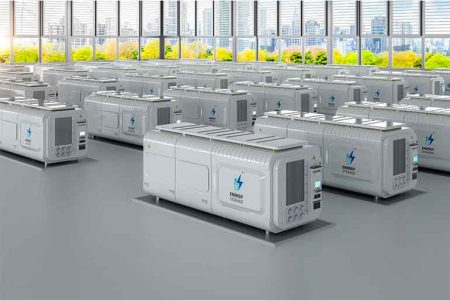
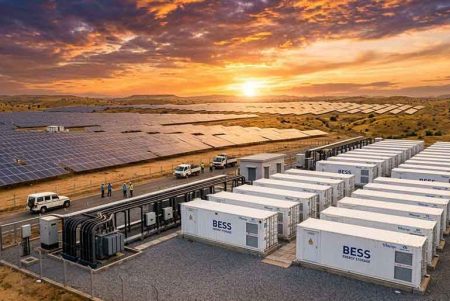
Battery Energy Storage Systems were initially viewed as supplementary technologies designed to support renewable integration. That perception is changing quickly. Storage is increasingly becoming foundational to how modern grids operate.
As renewable penetration rises, balancing supply and demand becomes more difficult. Storage helps absorb excess generation, stabilise grid fluctuations, and maintain continuity during peak demand periods. It also supports grid resilience by improving response capability during outages or disruptions.
More importantly, storage enables integration between different energy systems. It connects renewable generation with industrial loads, mobility infrastructure, and distributed energy applications. In the coming decade, energy storage will likely function as a core balancing layer across the entire infrastructure ecosystem.
This shift changes how infrastructure projects are designed. Energy systems are moving away from standalone generation assets toward integrated networks where storage, transmission, and generation operate together.
Hydrogen Will Depend on Infrastructure Ecosystems
Hydrogen has emerged as an important part of long-term decarbonisation strategies, particularly for sectors that are difficult to electrify directly. However, hydrogen systems cannot scale independently of broader infrastructure readiness.
Producing hydrogen requires renewable power, electrolysers, water access, transmission connectivity, and industrial demand. Deploying hydrogen applications requires storage systems, transportation networks, safety frameworks, and distribution infrastructure.
This is why hydrogen is increasingly being viewed as an infrastructure challenge rather than only a technology challenge. Countries that succeed in scaling hydrogen will likely be those that integrate manufacturing, power systems, logistics, and industrial deployment into a coordinated ecosystem.
For India, this creates both a challenge and an opportunity. Building hydrogen capability domestically can strengthen industrial resilience and reduce long-term dependence on imported technologies. However, achieving this requires integration across multiple sectors rather than isolated project development.
Manufacturing Capability Will Shape Energy Security
The next phase of energy infrastructure will also be heavily influenced by manufacturing localisation. Global clean-energy supply chains are becoming more competitive and increasingly vulnerable to geopolitical disruptions. As countries accelerate renewable deployment, demand for equipment, storage systems, conductors, electrolysers, and advanced grid technologies is expected to rise significantly.
India’s long-term energy security therefore depends not only on generating clean power but also on building domestic industrial capability. Local manufacturing supports supply chain stability, improves cost predictability, and strengthens long-term deployment capacity.
More importantly, manufacturing integration creates stronger coordination between design, engineering, deployment, and servicing. Energy infrastructure becomes more adaptable when systems are developed closer to operational realities.
This is particularly important in emerging sectors such as hydrogen, storage, and advanced transmission technologies, where rapid adaptation and technical support will play a major role in scaling deployment.
Digital Coordination Will Become Critical
Integrated energy systems also require better coordination and visibility. Digital tools are becoming increasingly important for monitoring generation patterns, managing storage systems, predicting demand, and responding to faults.
Data-driven infrastructure management allows operators to optimise energy flow across interconnected systems. It improves operational efficiency while reducing downtime and response delays. In transmission networks, digital monitoring helps detect faults earlier and supports faster restoration. In renewable systems, predictive analytics improve generation forecasting and storage utilisation.
The future of energy infrastructure will therefore depend not only on physical assets but also on the digital systems that connect and coordinate them.
Workforce and Skill Integration
As infrastructure systems become more integrated, workforce requirements are evolving as well. The next generation of energy professionals will need interdisciplinary expertise spanning electrical systems, automation, digital technologies, storage integration, and clean-energy applications.
Traditional siloed skill sets may no longer be sufficient. Engineers working on transmission projects increasingly need to understand storage integration. Manufacturing teams must adapt to automation and digital quality systems. Project managers must coordinate across multiple technologies and regulatory frameworks simultaneously.
Upskilling and workforce integration will therefore become critical to sustaining long-term infrastructure growth.
Moving from Capacity Addition to System Reliability
One of the most important shifts taking place in the energy sector is the move from measuring success through capacity addition alone toward evaluating overall system reliability and resilience.
Adding renewable capacity remains important, but reliability now depends on how effectively different systems operate together. A grid with renewable generation but weak transmission remains vulnerable. Storage without coordinated dispatch planning creates inefficiencies. Hydrogen without industrial integration remains commercially limited.
The next decade will reward infrastructure ecosystems capable of functioning cohesively rather than independently.
Conclusion
The future of energy infrastructure will not be built through isolated technologies or disconnected projects. It will be shaped by integration across generation, transmission, storage, manufacturing, digital systems, and industrial deployment.
India’s energy transition is entering a phase where coordination matters as much as capacity. Renewable energy growth, hydrogen deployment, storage expansion, and grid modernisation are increasingly interconnected challenges that require integrated solutions.
This shift represents more than a technological evolution. It reflects a broader transformation in how infrastructure itself is understood. The next generation of energy systems will depend not only on what is built, but on how effectively different parts of the ecosystem work together. In the decade ahead, integration will define resilience, scalability, and long-term sustainability across the global energy sector.
 Electrify your feed! Click here to join our Whatsapp group and to get the latest updates, expert insights, and innovations driving India’s energy storage revolution.