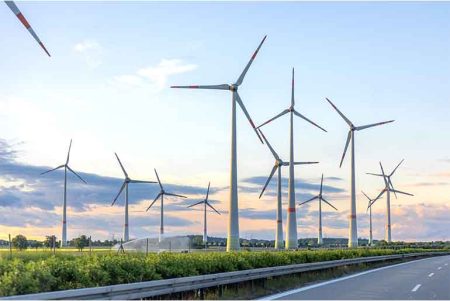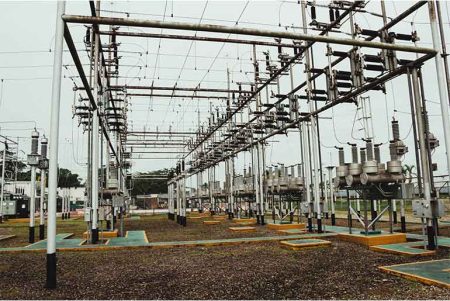

The United Nations has welcomed the Union Cabinet’s approval of India’s Green Energy Corridor Phase-III (GEC-III), highlighting the importance of stronger power transmission infrastructure and battery energy storage systems (BESS) in supporting the country’s renewable energy expansion.
UN Climate Change Executive Secretary Simon Stiell said the initiative would help India integrate its growing renewable energy capacity into the power grid, meet rising electricity demand and strengthen its position as a global leader in solar energy. He described the scheme as a significant step that could deliver long-term benefits for India’s economy and people.
Stiell also underlined the strategic role of battery storage for large economies such as India, particularly in strengthening energy security and supporting economic growth. Battery energy storage systems can help address the challenges associated with integrating renewable power into the electricity network.
The UN official further noted that investments in stronger electricity grids and battery storage infrastructure could create employment opportunities across manufacturing, construction and the energy storage sector as the global transition towards renewable energy and clean technologies gathers pace.
The Union Cabinet has approved GEC-III with a total financial outlay of ₹1,86,405 crore. The scheme includes Central Financial Assistance of ₹54,082 crore and focuses on strengthening intra-State transmission systems while supporting the deployment of battery energy storage systems.
The initiative is aimed at improving the power grid’s capacity to accommodate renewable energy, supporting the integration of clean electricity into the grid and addressing the infrastructure requirements of India’s expanding renewable energy sector.
 Electrify your feed! Click here to join our Whatsapp group and to get the latest updates, expert insights, and innovations driving India’s energy storage revolution.