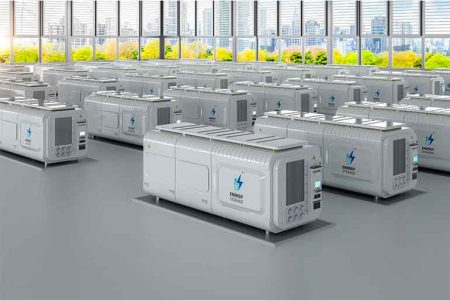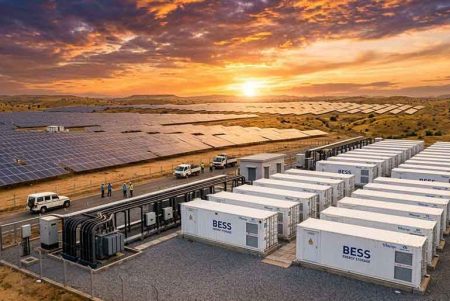
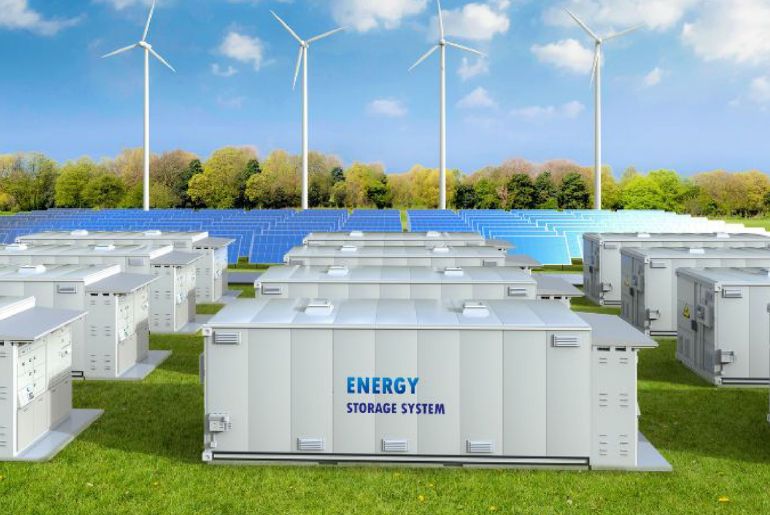
The Andhra Pradesh Electricity Regulatory Commission (APERC) has approved the procurement of 500 MW / 1,000 MWh (1 GWh) Battery Energy Storage System (BESS) capacity to enhance grid stability and facilitate renewable energy integration in Andhra Pradesh.
The decision is aimed at strengthening the state’s power infrastructure by enabling better management of peak demand and addressing intermittency issues associated with renewable energy sources such as solar and wind.
Key step toward reliable and flexible power systems
The state’s distribution companies (DISCOMs) will buy the approved BESS capacity. This is a big step toward making the power system more flexible and able to handle stress. Energy storage solutions are very important for keeping the grid balanced and making sure that electricity is always available as more renewable energy sources come online.
The project is expected to play a vital role in storing excess renewable energy during periods of low demand and supplying it during peak hours, thereby improving overall grid efficiency.
Supporting clean energy transition and grid modernization
The initiative aligns with India’s broader push toward clean energy transition and grid modernization. Large-scale battery storage systems are increasingly being deployed to support renewable integration, reduce reliance on conventional power sources, and enhance energy security.
The approval also shows that more and more people are understanding that storing energy is an important part of making the grid reliable and reaching sustainability goals.
Growing importance of energy storage in India
As states across India continue to expand their renewable energy capacity, the need for advanced storage solutions is becoming more pronounced. Projects like the Andhra Pradesh BESS initiative are expected to set a precedent for other regions to adopt similar measures.
The approval of the 500 MW / 1,000 MWh BESS capacity by APERC is a big step toward making Andhra Pradesh’s power system stable, efficient, and ready for the future. It also helps bring cleaner energy sources into the grid.
 Electrify your feed! Click here to join our Whatsapp group and to get the latest updates, expert insights, and innovations driving India’s energy storage revolution.