Close Menu
The Battery MagazineThe Battery Magazine
  • Just In
  • Batteries
    • Battery Manufacturing (BESS)
    • Battery Materials & Chemistries
    • Battery Recycling
    • C&I Storage
  • Solar
  • Renewable energy
    • Wind Energy
    • Hydropower
    • Green Hydrogen
    • Bioenergy
  • Tenders
    • Energy Storage
    • Solar Energy
    • Wind Energy
  • Policy
    • Storage
    • Solar
    • Wind
    • EV
    • Transmission
  • EV
    • EV Batteries
    • EV Charging Infrastructure
    • Electric Mobility Trends
  • Grid
    • Transmission & Distribution
    • Grid Infrastructure
    • Power Generation
    • Power Equipments
  • Exclusive
    • Cover Story
    • Watt Matters
    • Perspective
    • Articles
  • More
    • E-Mag
    • Events
    • Contact Us
Facebook LinkedIn WhatsApp
The Battery MagazineThe Battery Magazine
  • Just In
  • Batteries
    • Battery Manufacturing (BESS)
    • Battery Materials & Chemistries
    • Battery Recycling
    • C&I Storage
  • Solar
  • Renewable energy
    • Wind Energy
    • Hydropower
    • Green Hydrogen
    • Bioenergy
  • Tenders
    • Energy Storage
    • Solar Energy
    • Wind Energy
  • Policy
    • Storage
    • Solar
    • Wind
    • EV
    • Transmission
  • EV
    • EV Batteries
    • EV Charging Infrastructure
    • Electric Mobility Trends
  • Grid
    • Transmission & Distribution
    • Grid Infrastructure
    • Power Generation
    • Power Equipments
  • Exclusive
    • Cover Story
    • Watt Matters
    • Perspective
    • Articles
  • More
    • E-Mag
    • Events
    • Contact Us
LinkedIn Facebook WhatsApp YouTube
The Battery MagazineThe Battery Magazine
Home » Renewable energy » CPCB Releases Guidelines for Safe Storage and Handling of Solar Waste in India
Renewable energy

CPCB Releases Guidelines for Safe Storage and Handling of Solar Waste in India

ManshiBy ManshiMarch 17, 20262 Mins Read
Facebook Twitter LinkedIn WhatsApp
CPCB Releases Guidelines for Safe Storage and Handling of Solar Waste in India

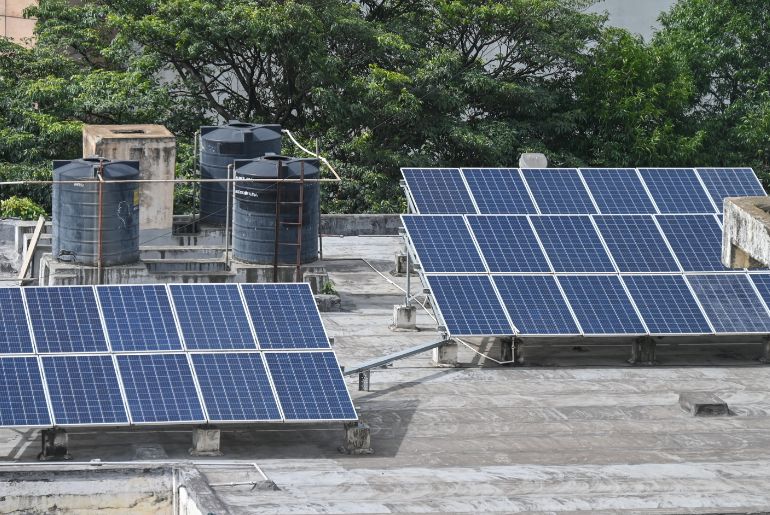
The Central Pollution Control Board (CPCB) has unveiled Version 1.0 of its guidelines for the storage, handling, and transportation of solar photovoltaic (PV) waste, aligning with the E-Waste (Management) Rules, 2022. The guidelines aim to ensure environmentally sound management of end-of-life solar modules, panels, and cells while safeguarding public health as India’s solar capacity continues to grow rapidly.

The rules apply to people who make, sell, or recycle solar waste, which includes glass, aluminium, silicon, plastics, and metals like lead and cadmium. CPCB emphasizes that such waste “must not be dumped in open areas or landfills due to the risk of toxic chemical release,” and must instead be channelled through registered recyclers or authorised entities.

Key provisions include:

  • Producers and manufacturers need to set up ways for people to collect and return items, such as designated collection points and systems for reaching out to consumers.
  • Transportation of solar waste should be in covered vehicles and comply with hazardous waste regulations where applicable.
  • Storage must occur in covered, ventilated spaces with impervious flooring to prevent soil and groundwater contamination.
  • Broken or damaged modules must be stored separately in labelled, water-resistant containers.
  • Facilities are required to maintain inventory records, conduct monthly inspections, and ensure fire safety and emergency response systems.
  • Personnel handling solar waste must use protective gear including gloves, safety footwear, and eye protection.

The CPCB highlighted, “Considering the leaching potential of metals such as antimony, cadmium, arsenic, lead, selenium, among others, the floor used for storage of Solar Waste shall be non-leachable, impervious to prevent contamination to the groundwater and soil.”

The guidelines are part of India’s broader effort to strengthen sustainable solar waste management and create a safer, environmentally responsible framework for the rapidly expanding solar sector. With these measures, authorities aim to protect human health, prevent soil and water pollution, and ensure that the country’s solar growth remains environmentally sustainable.

These rules make it clear how to safely handle, store, transport, and recycle solar waste. They make sure that India’s switch to solar energy doesn’t lower environmental or worker safety standards.

whatsapp icon Electrify your feed! Click here to join our Whatsapp group and to get the latest updates, expert insights, and innovations driving India’s energy storage revolution.
#policyupdate CPCB India News solar energy
Manshi
  • Website

I'm journalism graduate with professional experience working across different news websites. I have been involved in news reporting, content writing, and digital media coverage, which has helped me develop a strong understanding of current affairs and storytelling. Currently, I am working with Battery Magazine, where I continue to create accurate, engaging, and reader-focused news content.

Keep Reading

NavPrakriti and IIT Kharagpur

NavPrakriti and IIT Kharagpur Partner to Advance Battery Recycling and Critical Mineral Recovery

IIT Guwahati

IIT Guwahati Develops Perovskite Technology Achieving 25.73% Solar Cell Efficiency

India’s Clean Energy Sector

India’s Clean Energy Workforce Grows by 6.6 Lakh, Rooftop Solar Leads Job Creation

Leave A Reply Cancel Reply

sixteen + 2 =

Renewable energy
IIT Guwahati

IIT Guwahati Develops Perovskite Technology Achieving 25.73% Solar Cell Efficiency

June 4, 2026
India’s Clean Energy Sector

India’s Clean Energy Workforce Grows by 6.6 Lakh, Rooftop Solar Leads Job Creation

June 4, 2026
SJVN Flags

SJVN Flags Renewable Power Demand Gap Amid Rising Capacity Additions

June 4, 2026
Kyro Capital

Kyro Capital Launches ₹100 Crore Pre-IPO Fund Targeting Renewable Energy and Growth Sectors

June 3, 2026
Batteries
NavPrakriti and IIT Kharagpur

NavPrakriti and IIT Kharagpur Partner to Advance Battery Recycling and Critical Mineral Recovery

June 4, 2026
Advait Energy Secures 150 MW/300 MWh BESS Project from GUVNL

Advait Energy Secures 150 MW/300 MWh BESS Project from GUVNL

June 4, 2026
cylib and Vianode

cylib and Vianode Partner to Advance Recycled Graphite for EV Batteries

June 4, 2026
Trina Storage

Trina Storage Wins 160 MWh Ultra-High Voltage Battery Project in Japan’s Kyushu Region

June 3, 2026

Subscribe for Updates

Get the latest news about energy storage in your inbox.

    © 2026 Thebatterymagazine.com.
    • Home
    • About Us
    • Contact Us
    • Privacy Policy
    • Terms of Service

    Type above and press Enter to search. Press Esc to cancel.