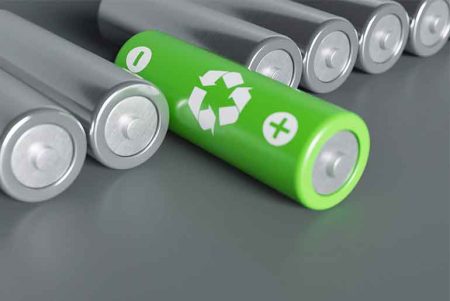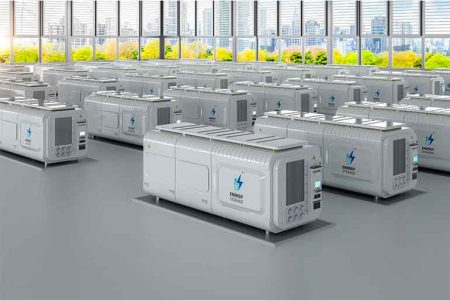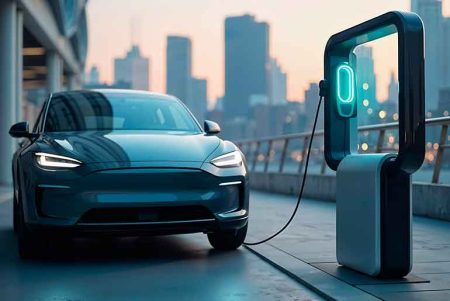

The solid-state Li-ion batteries are shaping the EV industry by outperforming the traditional Li-ion batteries that resists the adoption of electric vehicles. It is considered the next generation of batteries that is vested with pioneering technologies for reinforcing the performance of EVs while boosting their power, fast charging capability, and energy density capacity.
Looking at the deteriorating state of the environment, accompanied by surging global warming and erratic climate change, significant efforts are being made to expedite the adoption of EVs across the globe. They are preferred for their clean tech solutions with zero tailpipe emissions, which reduce greenhouse emissions and likewise minimize the impact on the environment. However, the liquid Li-ion batteries give rise to a lot of concerns around range anxiety, long charging times, and safety issues hinging on explosions and EVs catching fire. Deterring the purchase of EVs, it significantly impedes the transition to green transportation.
Addressing the issue, solid-state Li-ion batteries exhibit great energy density that enhances the energy-storage capacity of the batteries. It enables rapid charging that tackles the problem of limited range and slow charging speed of traditional Li-ion batteries. Coming with a solid electrolyte, it resists extreme temperatures, alleviating the fear of explosions among the consumers. Moreover, the non-flammable organic solvents contribute to efficient performance even in high heat temperatures. Simultaneously, solid-state Li-ion batteries repel freezing at low temperatures, unlike conventional Li-ion batteries undergoing voltage drop at low temperatures. Additionally, it prolongs the longevity of the batteries given to its ability of undergoing slow deterioration.
Steering a significant advancement in battery technology, there should be incessant focus on manufacturing the highest quality solid-state Li-ion batteries conforming to industry standards. Given that solid electrolytes are made up of sulfides, the batteries run the risk of degeneration in the presence of moisture. Accounting for substandard, low-quality solid-state Li-ion batteries, it can subsequently impede the performance of the vehicles. Thereby, it is mandatory to manufacture solid-state Li-ion batteries in a highly controlled environment.
As a result, solid-state Li-ion batteries are manufactured in Dry Rooms, which are sealed and controlled environment that achieves ultra-low humidity levels with the help of precision dehumidifier plugged into the room. The dehumidifier resides well for safe and efficient solid-state Li-ion battery manufacturing that preserves the quality and safety of the batteries. It comes with the proficiency to eliminate moisture-related defects in battery components, namely, lithium salts and electrolytes.
Therefore, by maintaining ultra-low humidity conditions, Dry Rooms play a crucial role in Li-ion battery manufacturing. But in the process, it accounts for consuming 43% of the total energy required in the battery manufacturing process, which is majorly employed for driving the dehumidifiers. Owing to this, industry players invariably seek energy-efficient dehumidifiers in the Dry Rooms to significantly minimize the energy costs during the manufacturing process.
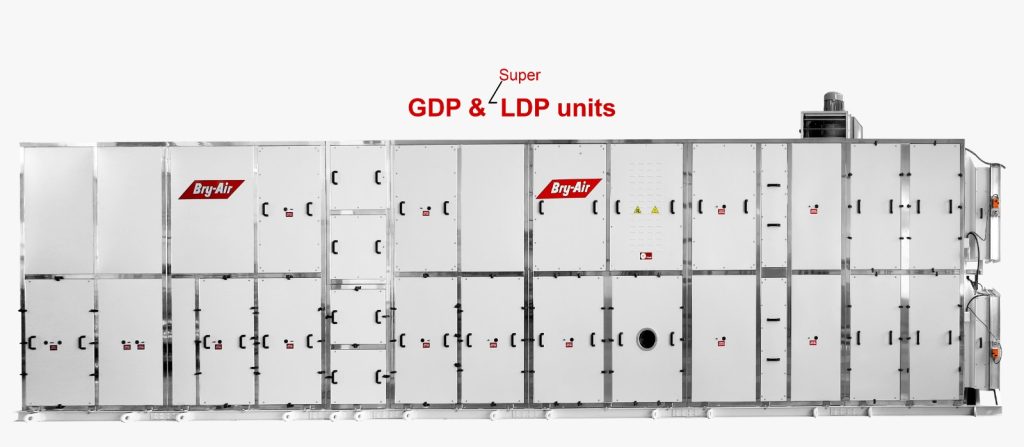
Thereby, deploying Super Low Dew Point (LDP) dehumidifiers from the house of Bry-Air is well adept at ensuring energy efficiency of Dry Rooms. Housing high-performance rotors, it is proficient at maximizing the efficiency of Dry Rooms where it maintains ideal manufacturing conditions by achieving a dew point of -80°C. Furthermore, it goes a long way in supplying air of < -70°C Dew Point for ensuring stability and optimal performance of solid electrolytes.
To further fortify the battery manufacturing process, employing NMP recovery technology comes to aid in enabling cost-effective manufacturing. N-Methyl-2-Pyrrolidone (NMP) is a mandatory raw material that serves the purpose of solvent during the electrode coating process in solid-state Li-ion battery manufacturing. However, it contains a lot of toxic gases and substances, rendering it hazardous in nature, having a threatening effect on the lives of the occupants. Compounding the problem, NMP is very expensive and is also responsible for contributing to air pollution. To curb its environmental impact, even the government exercises thorough control over the release of NMP directly into the air, promoting 99.9% recovery of NMP.
Making use of the NMP Recovery System at the time of lithium-ion battery cell manufacturing facilitates capturing and recycling NMP. As a result, it plays a significant role in mitigating the emission of toxic gases, thereby promoting environmental stewardship while improving workplace safety by impeding the development of cancer among the occupants. Empowering recovery and reuse of expensive solvent, it aids in procuring the otherwise exorbitant raw material, providing a cost-effective solution for battery manufacturing. In the process, it vouches for a cleaner and safer work environment aimed at improving the air quality and goes a long way in reducing material waste.
Therefore, understanding the imperative role of Dry Rooms and dehumidifiers, it comes with a lot of potential to boost the manufacturing opportunities of solid-state Li-ion batteries. Supporting the quality and resilience of the batteries, it addresses the moisture menace at the time of solid-state Li-ion battery manufacturing. Contributing to safe, resilient, and reliable batteries, dehumidifiers come with the ability to fuel the adoption and, likewise, growth of EVs in the market.
 Electrify your feed! Click here to join our Whatsapp group and to get the latest updates, expert insights, and innovations driving India’s energy storage revolution.