Enfinity Global, a leader in renewable energy, has signed two agreements under Italy’s Energy Release 2.0 mechanism for a total of 1.8 TWh. These agreements will help industrial customers get new power capacity. Feralpi, ISAB, De Angeli, and Magis Energia are some of the top Italian companies that use a lot of energy and are involved in the signed agreements.
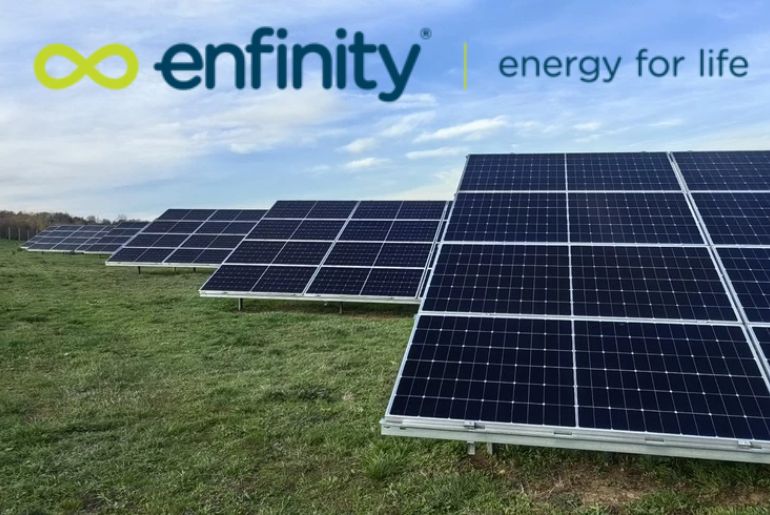
To meet the contracted volumes, Enfinity plans to build approximately 120 MW of new solar PV capacity across Italy. The new plants, expected to be interconnected by Q2 2029, will expand available electricity supply and help industrial customers benefit from more price-predictable power sourcing.
Energy Release 2.0, promoted by Italy’s Agency for Energy Transition (Gestore dei Servizi Energetici-GSE), is a mechanism that links the energy needs of high consumption companies with the development of new renewable generation capacity, enabling access to dedicated volumes in exchange for their commitment to invest in new renewable generation capacity.
“We are grateful to Feralpi, ISAB, Magis Energia, and De Angeli for their trust in Enfinity, as these agreements further reinforce our strong track record with industrial customers,” said Alice Cajani, General Manager of Enfinity Energy Commercialization Europe. “These energy-intensive clients will benefit from more predictable energy prices, strengthening their competitiveness and providing greater confidence for long-term planning in a volatile price environment. By linking demand to the deployment of new power capacity, the 120 MW we plan to build will quickly expand supply for Italian industry,” she added.
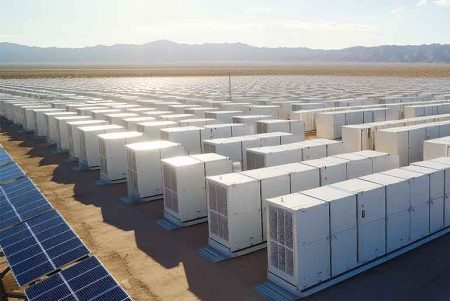
Enfinity continues to advance its growth in Italy with a pipeline of approximately 8.5 GW across solar and energy storage projects. The business can currently handle 345 MW of power and is working on adding another 460 MW. This is part of a plan that will take years to carry out to make sure that Italy’s power system and industry have enough electricity. Since it started doing business in Italy, Enfinity has signed power purchase agreements (PPAs) for about 805 MW of capacity. This shows that it has worked with industrial customers for a long time.
 Electrify your feed! Click here to join our Whatsapp group and to get the latest updates, expert insights, and innovations driving India’s energy storage revolution.