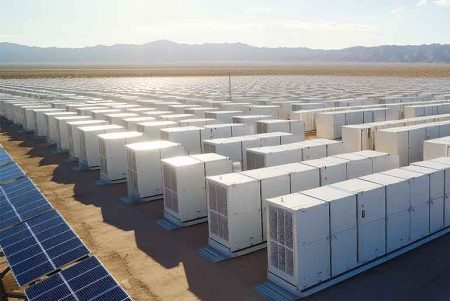
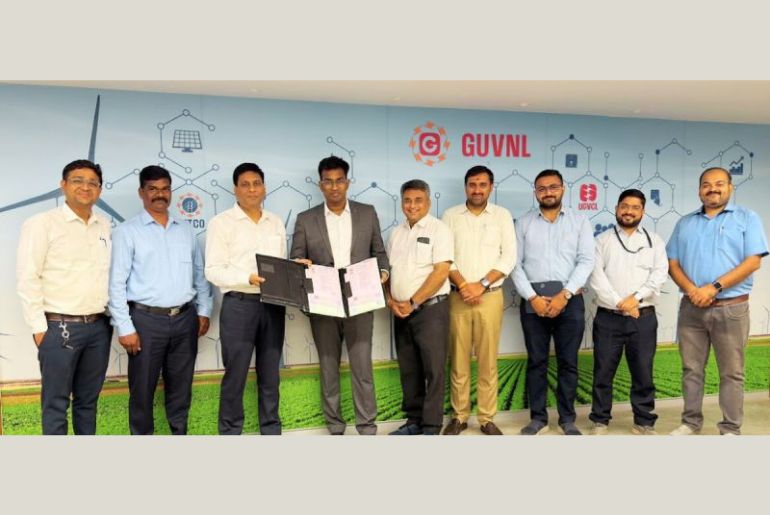
ENGIE India has signed a Power Purchase Agreement (PPA) with Gujarat Urja Vikas Nigam Ltd. (GUVNL) for its first battery storage project that is not part of a larger project. The project has a Battery Energy Storage System (BESS) with a capacity of 280 MW and 560 MWh. It is a big step forward for India’s energy sector.
This project underscores the increasing role of large-scale storage solutions in supporting India’s renewable energy integration. As renewable capacity expands, battery storage systems are becoming vital for grid stability, effective peak power management, and ensuring round-the-clock delivery of clean energy.
Strategic Importance for ENGIE in India
The project makes India an even more important growth market for ENGIE.
A company spokesperson said, “Storage builds on our strong wind and solar portfolio and gives us more power to provide reliable, flexible, and future-ready power solutions.”
This goes along with India’s goal of having 500 GW of clean energy capacity by 2030, which shows how important it is to have renewable and storage solutions that work together.
By coupling advanced storage with renewable generation, ENGIE aims to support a resilient, reliable, and low-carbon power ecosystem in India, contributing to the nation’s clean energy transition.
Significance for India’s Energy Landscape
The main part of India’s power system is now large-scale battery storage. It helps utilities and grid operators better combine renewable energy sources that don’t always work while making sure that electricity is always available. For developers like ENGIE, these projects not only add to their portfolios of renewable energy sources, but they also improve India’s clean energy infrastructure, setting the country up for a future with low-carbon energy sources.
ENGIE India is becoming a leader in renewable and storage solutions with this BESS project. It shows its commitment to innovation, flexibility, and the transition to clean energy in one of the world’s fastest-growing renewable markets.
 Electrify your feed! Click here to join our Whatsapp group and to get the latest updates, expert insights, and innovations driving India’s energy storage revolution.