Evren, a clean energy platform backed by Brookfield, has secured approximately USD 600 million in financing from a consortium of leading global lenders to develop a large-scale firm and dispatchable renewable energy (FDRE) hybrid project in India.
The funding has been provided by major financial institutions including Standard Chartered Bank, MUFG, SMBC, DBS Bank, Crédit Agricole CIB, and BNP Paribas, reflecting strong international confidence in India’s evolving clean energy landscape.
Project Overview and Strategic Scope
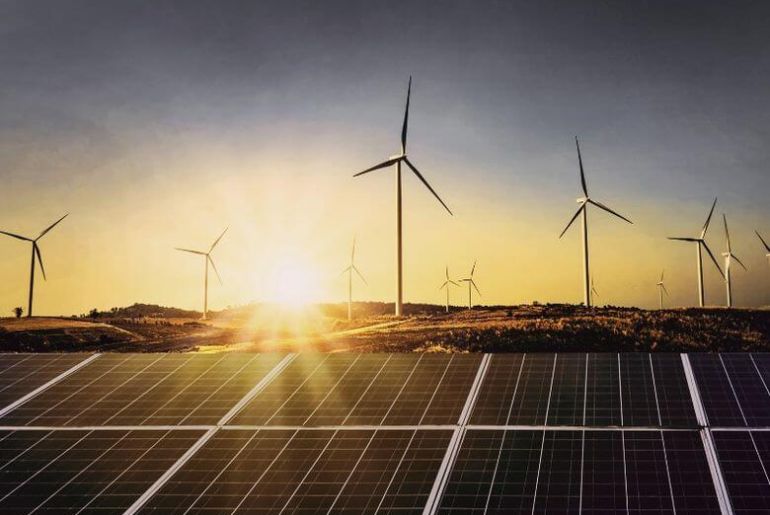
Evren is a 51:49 joint venture between Brookfield and Axis Energy that works on building the infrastructure for next-generation renewable energy. The FDRE hybrid project will be built in both Andhra Pradesh and Rajasthan. It will include:
- Solar power
- Wind energy
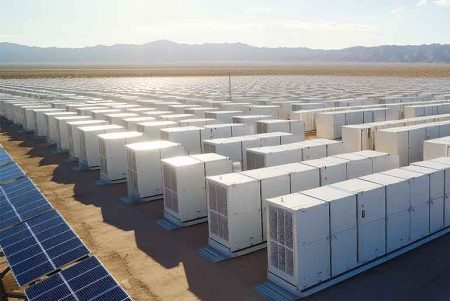
- Battery energy storage systems
The project can produce about 1 GW of power, and NTPC has agreed to buy 300 MW of it through a power purchase agreement.
Energy Impact and Sustainability Goals
Scheduled for commissioning in 2027, the project is expected to:
- Generate approximately 2,400 GWh annually
- Offset over 1.5 million tonnes of CO₂ emissions each year
This integrated approach is meant to make renewable energy dispatchable, which will improve grid stability and let renewable energy compete with traditional energy sources.
Leadership Perspective
Evren CEO Suman Kumar stated, “The FDRE project delivers dispatchable clean energy through an integrated solar, wind and battery storage platform, supporting grid reliability at scale.”
Growth Outlook and Market Confidence
The successful financing shows that investors around the world are becoming more confident in India’s shift to renewable energy and more advanced hybrid energy models. Evren has big plans to build more than 7 GW of renewable energy assets in the next 4 to 5 years, focusing on areas of the country with a lot of resources.
Evren is positioning itself as a key player in India’s energy transition with its hybrid FDRE model and strong financial backing. This will help make energy more secure, the grid more resilient, and long-term sustainability goals more achievable.
 Electrify your feed! Click here to join our Whatsapp group and to get the latest updates, expert insights, and innovations driving India’s energy storage revolution.