As the global demand for energy rises and climate imperatives tighten, the utility sector stands at a crossroads. Traditionally reliant on diesel-based peaker plants to meet peak electricity demand, utilities are now exploring cleaner, smarter, and more responsive alternatives. One of the most transformative among them is the adoption of industrial battery energy storage systems for utilities. These systems are not just a stopgap but are rapidly becoming the backbone of modern, resilient, and decarbonized energy grids.
The Fossil Legacy: Why Diesel Must Go
For decades, diesel-powered peaker plants have been the go-to solution to supply energy during peak load periods. While effective in bridging temporary demand gaps, they come with significant downsides: high operational costs, carbon emissions, maintenance complexities, and long startup times. In an age focused on sustainability and efficiency, diesel peakers are increasingly seen as relics of an outdated energy model.
Utilities are under mounting pressure to reduce their carbon footprints and align with net-zero goals. Government regulations, investor expectations, and public scrutiny are accelerating the transition away from fossil fuels. In this context, diesel’s drawbacks no longer justify its continued dominance.
Rise of Industrial Battery Energy Storage Systems for Utilities
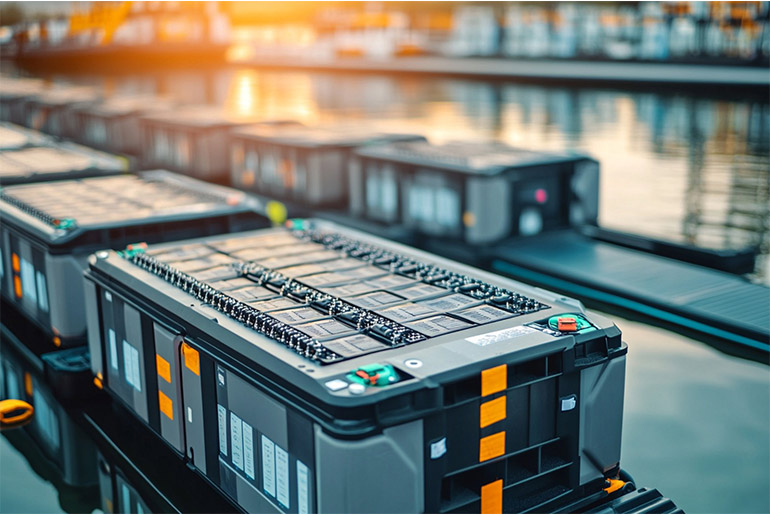
Enter industrial battery energy storage systems. Unlike diesel plants, these systems provide near-instantaneous response, can store surplus renewable energy, and operate with zero local emissions. Designed for scale, industrial BESS units can be deployed rapidly, scaled modularly, and integrated seamlessly with existing infrastructure.
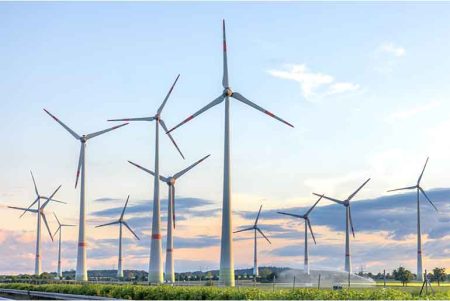
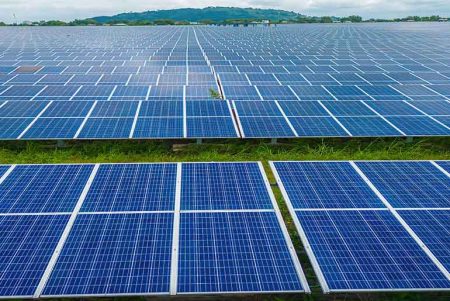
These storage systems use advanced lithium-ion or other battery chemistries to store electricity during periods of low demand or excess renewable generation and discharge it during peak periods. This not only flattens demand curves but also enables utilities to maximize the use of renewable energy sources such as solar and wind.
Global Momentum: Real-World Case Studies
Utilities around the world are already demonstrating the potential of industrial BESS:
The California Independent System Operator (CAISO) has been leading the way in replacing old gas peaker plants with huge battery storage systems. The Moss Landing Energy Storage Facility is one of the biggest in the world and is now an important part of keeping the state’s grid stable.
Australia: The Hornsdale Power Reserve, which Tesla supports, became a global example of how fast-response battery storage can stabilize grids and lower energy costs. Since it was put into use, it has saved millions of dollars in costs to stabilize the grid.
In the UK, National Grid is using battery energy storage systems to provide frequency response services, which means they don’t have to rely as much on spinning reserves that run on fossil fuels.
These examples underscore that BESS is not a future promise—it is a current reality.
Economic & Environmental Benefits
The economic incentive is likely the strongest motivation for moving to industrial BESS, as the initial capital expenditures associated with this transition are usually substantial. The lifecycle ownership costs of battery energy storage systems (BESS) tend is likely to be much lower than diesel plants’ as well. The operational and maintenance expenditure, fuel costs, and operational lifetimes of today’s battery systems all translate into long-term savings.
From an environmental standpoint, the impact is significant. Industrial battery energy storage systems for utilities have no direct greenhouse gas emissions, which improves air quality and helps increase renewable penetration (and hence reduces overall emissions from the power sector).
From Backup to Backbone: BESS in the Digital Grid Era
Industrial BESS is not merely a backup solution. In a modern utility framework, these systems are foundational to grid optimization:
- Peak Shaving: Reducing demand during peak hours lowers stress on the grid and mitigates the need for peaker plants.
- Frequency Regulation: Instantaneous response capabilities make BESS ideal for maintaining grid frequency within permissible limits.
- Black Start Capability: Batteries can help restart power plants or grids without external power sources during outages.
- Grid Resilience: With climate change leading to more extreme weather, BESS improves utilities’ ability to manage disruptions.
- Digital Integration: Coupled with AI, machine learning, and predictive analytics, BESS can enhance grid intelligence, enabling real-time decision-making and energy trading.
Policy Support & Roadblocks
Across many areas, policies are changing to support BESS, and this is evidenced by incentives like tax credits, accelerated depreciation, and targeted subsidies, which are top-of-mind for utilities as they are working to de-risk investments in BESS. Along with India’s National Energy Storage Mission, the EU Green Deal, and the U.S. Inflation Reduction Act, all mark a clear signal of political and government support.
Challenges still exist, specifically with fire safety and the risk it poses with urban installations and manufacturing facilities. People have also raised concerns around end-of-life battery recycling, along with the footprint that mining the material used in batteries has on the environment. Regulatory frameworks must be updated to reflect and recognize, pay for, and monetize all of the services BESS offers.
The Future Grid: Decentralized, Decarbonized and Digitized
The grid of the future will be less about centralized generation, and more about a dynamic, distributed network of resources. Industrial battery energy storage systems (BESS) for utilities are crucial enablers of this vision. BESS will help connect distributed renewables, manage peak demand, and increase reliability of the grid, ultimately enabling a more flexible and intelligent energy system.
As new technologies come to market (solid-state batteries, flow batteries, sodium-ion chemistries) costs and safety will continue to decline while energy density improves. As such, expect battery energy storage systems to transition from strategic asset to utility requirement.
Conclusion: Flipping the Power Switch
Moving from diesel to data is much more than a technological move; it’s a realignment of how utilities produce, store, and distribute energy. Industrial battery energy storage (BESS) systems for utilities provide an attractive and economically viable alternative to obsolete fossil infrastructure, and offer socially responsible energy alternatives.
Utilities that adopt this new way of operation will not only exceed sustainability requirements but, will be more competitive in reliability, flexibility, and happiness. With the world racing towards a carbon neutral world, industrial BESS is a meaningful symbol of progress and a critical component of next-generation power.
 Electrify your feed! Click here to join our Whatsapp group and to get the latest updates, expert insights, and innovations driving India’s energy storage revolution.