NLC India renewable energy subsidiary has won a 50 MW/200 MWh standalone Battery Energy Storage System (BESS) project at Arambag in Hooghly district, West Bengal. The project was awarded through a competitive bidding process conducted by the Department of Power through the state electricity distribution utility.
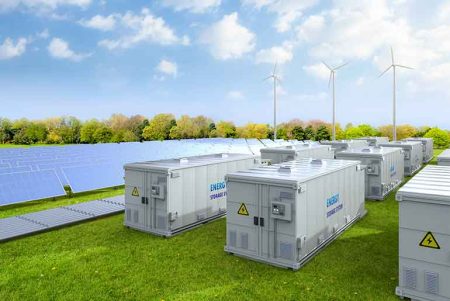
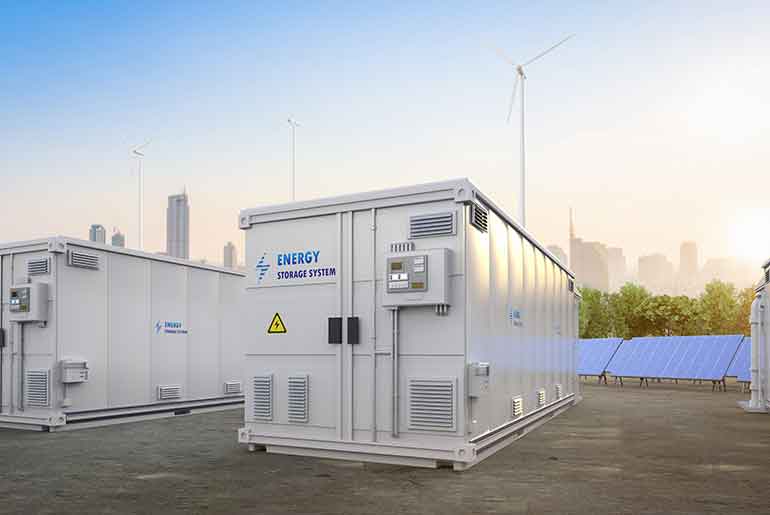
Following the bidding process, the subsidiary received the Letter of Award (LoA), marking a key step towards project development. With a rated power capacity of 50 MW and an energy storage capacity of 200 MWh, the proposed system will store electricity and discharge it when needed, helping meet power system requirements.
Key Details of the BESS Project
- Developer: NLC India’s renewable energy subsidiary
- Project Capacity: 50 MW
- Energy Storage Capacity: 200 MWh
- Project Type: Standalone Battery Energy Storage System (BESS)
- Location: Arambag, Hooghly district, West Bengal
- Award Status: Letter of Award (LoA) received
- Bidding Method: Tariff-based competitive bidding
The project represents another step towards strengthening energy storage infrastructure in West Bengal. Standalone battery storage systems are increasingly being considered an important component of modern electricity networks, particularly as renewable energy capacity expands and electricity demand patterns become more dynamic.
The proposed BESS installation at Arambag is expected to support improved energy management and contribute to grid stability. Battery storage systems can balance fluctuations in electricity supply and demand by storing surplus power during periods of lower demand and releasing it during peak consumption hours. They can also provide distribution utilities with greater flexibility in managing electricity requirements.
Role of Standalone Battery Storage
The 50 MW/200 MWh system will provide four hours of storage at its rated power capacity. Such installations can support several power system functions, including:
- Peak Demand Management: Discharging stored electricity during periods of high power demand.
- Grid Stability: Helping balance variations in electricity supply and consumption.
- Renewable Energy Integration: Improving the flexibility needed to accommodate variable solar and wind generation.
- Distribution Utility Support: Providing additional options for managing electricity procurement and demand patterns.
The project has been awarded under a tariff-based competitive bidding framework, which allows developers to compete based on specified technical and commercial requirements. Such mechanisms are being used to encourage investment in battery storage and other power sector infrastructure while supporting transparent project allocation.
For NLC India, securing the LoA marks a further step in expanding its activities across renewable energy and clean technology. The project also highlights the growing role of public sector undertakings in developing energy storage assets to complement conventional generation and renewable power sources.
As India continues to expand its renewable energy capacity, battery storage infrastructure is expected to play an increasingly important role in maintaining reliable electricity supply. Projects such as the proposed 50 MW/200 MWh installation at Arambag can help improve power system flexibility and support the integration of renewable energy into the electricity grid.
| Capacity | 50 MW/200 MWh BESS Project |
| Location | Arambag, Hooghly district, West Bengal |
 Electrify your feed! Click here to join our Whatsapp group and to get the latest updates, expert insights, and innovations driving India’s energy storage revolution.