The Gujarat Electricity Regulatory Commission (GERC) has issued draft regulations aimed at expanding the adoption of distributed renewable energy sources (DRES) across the state. The proposed framework broadens the scope beyond rooftop solar to include energy storage systems and multiple renewable energy deployment models, enabling greater participation from consumers across different categories.
The proposed GERC (Grid Interactive Distributed Renewable Energy Sources) Regulations, 2026 will replace the existing Net Metering Rooftop Solar PV Grid Interactive Systems Regulations, 2016 and create a broader framework covering multiple metering mechanisms while integrating battery storage provisions.
Under the draft framework, GERC has proposed allowing distributed renewable energy projects under five mechanisms—Net Metering, Net Billing, Gross Metering, Group Net Metering and Virtual Net Metering.
Expansion of Project Size Limits
One of the major changes proposed is the expansion of project size limits. The draft proposes allowing Net Metering and Net Billing installations from 1 kW up to 1 MW, while Gross Metering and Virtual Net Metering projects would be permitted up to 4 MW, subject to technical feasibility conditions. Group Net Metering projects have been proposed in the 6 kW to 1 MW range.
GERC has also proposed introducing Virtual Net Metering, enabling renewable generation at one location to be allocated across multiple consumer connections belonging to the same tariff category within the same distribution licensee area. Such projects would be allowed between 100 kW and 4 MW and connected through dedicated evacuation infrastructure up to the delivery point.
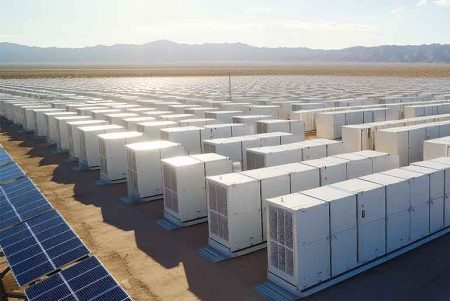
The regulations additionally bring Battery Energy Storage Systems (BESS) into the DRES framework and introduce a storage-linked requirement for larger installations. According to the draft, consumers with contract demand exceeding 100 kW and installing DRES capacity beyond their contracted demand would need to deploy BESS capable of at least two hours of charging and discharging for at least 50% of the excess DRES capacity.
Full Adjustment Allowed
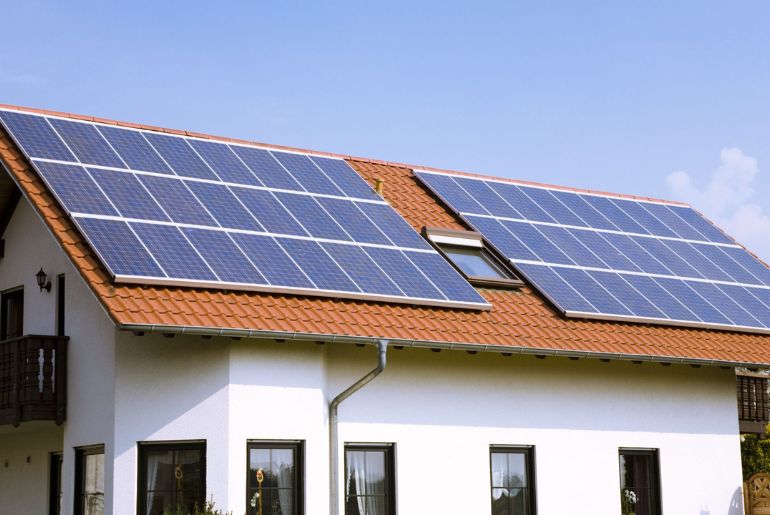
For residential consumers, the draft proposes continued support under net metering arrangements by allowing full adjustment of exported energy during the billing cycle and proposes compensation for surplus energy at ₹2.25 per kWh or such rate as determined by the Commission.
To streamline project execution, the draft regulations establish a defined approval process covering registration, technical feasibility evaluation, connectivity clearance, commissioning, and meter installation, with specific timelines assigned to distribution companies and other stakeholders. The framework also proposes compensation of at least ₹500 per day to consumers in cases of unjustified delays by the distribution licensee. Once notified, the regulations will apply across Gujarat and govern all future applications for distributed renewable energy systems.
 Electrify your feed! Click here to join our Whatsapp group and to get the latest updates, expert insights, and innovations driving India’s energy storage revolution.