According to the annual Energy Transition Investment Trends 2026 report by BloombergNEF (BNEF), the global investment in the low-carbon energy transition has reached a record high of $2.3 trillion in 2025, registering an 8% increase from the previous year. Notwithstanding the strong headwinds in the form of policies and trade, the report highlights the resilience of the global transition to clean energy, which has beaten fossil fuel supply investments for the second year running.
Dominant Sectors and Market Divergence
The 2025 investment landscape was characterized by a surge in electrified transport and a surprising dip in renewable energy funding:
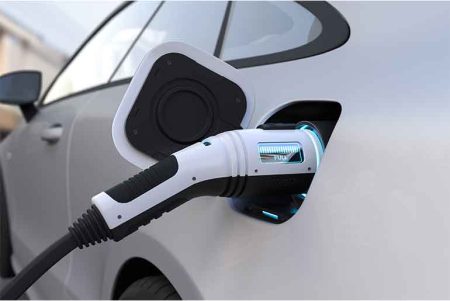
- Electrified Transport: Remained the largest driver at $893 billion (up 21%).
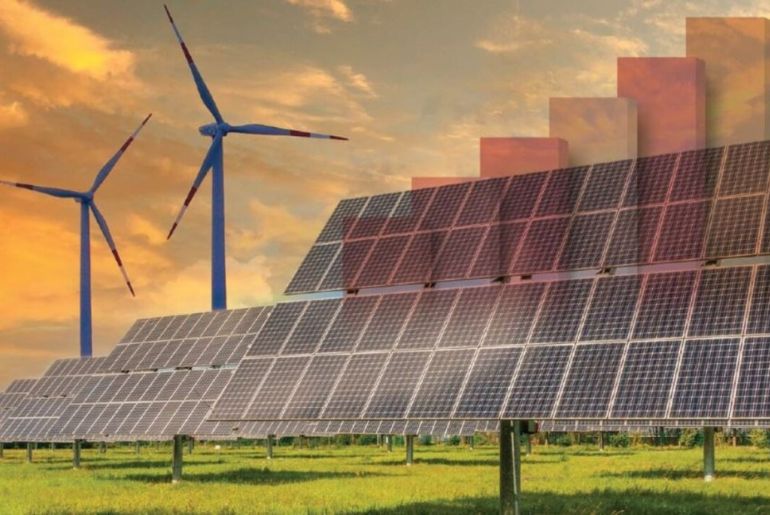
- Renewable Energy: Fell 9.5% to $690 billion, primarily due to regulatory uncertainties in China.
- Grid Investment: Rose 17% to $483 billion to support infrastructure modernization.
- Data Centers: Emerged as a massive new category with an estimated $500 billion in investment, surpassing solar for the first time.
Clean Energy vs. Fossil Fuels
For the second consecutive year, investment in clean energy supply outpaced fossil fuel supply, with the difference widening to $102 billion. Although the clean energy trend remained positive, the first fall in fossil fuel supply investment since 2020 occurred, down by $9 billion. This was due to lower expenditure on upstream oil, gas, and fossil fuel-based power.
Regional Leaders and India’s Rise
Asia Pacific continues to lead the world, accounting for 47% of global investment.
- China: Still the top market with $800 billion, though it recorded its first decline in renewable funding since 2013.
- European Union: Grew 18% to $455 billion, the largest contributor to the global uptick.
- India: Investment surged 15% to $68 billion, as the nation aggressively onshores its clean-tech supply chains.
- United States: Recorded a modest 3.5% increase to $378 billion despite a shifting political landscape.
Climate-Tech and Financial Resilience
The financial sector showed renewed vigor in climate-tech, with equity raising hitting $77.3 billion (up 53%). This was bolstered by multibillion-dollar deals in Asia and a strong recovery in public equity. Additionally, energy transition debt issuance totaled $1.2 trillion, up 17% from 2024.
Albert Cheung, Deputy CEO at BloombergNEF, remarked:
“This past year has showcased that despite policy and trade headwinds, the global energy transition is resilient and provides a number of opportunities for investors. As many economies look to strengthen energy security and build domestic supply chains, clean energy investment will continue to rise, especially as it relates to global data center buildouts.”
The Road to Net Zero
Despite reaching record highs, BNEF warns that investment growth is slowing (from 27% in 2021 to 8% in 2025). To stay on track for net-zero goals, global investment needs to accelerate to $5.2 trillion annually for the remainder of the decade.
 Electrify your feed! Click here to join our Whatsapp group and to get the latest updates, expert insights, and innovations driving India’s energy storage revolution.