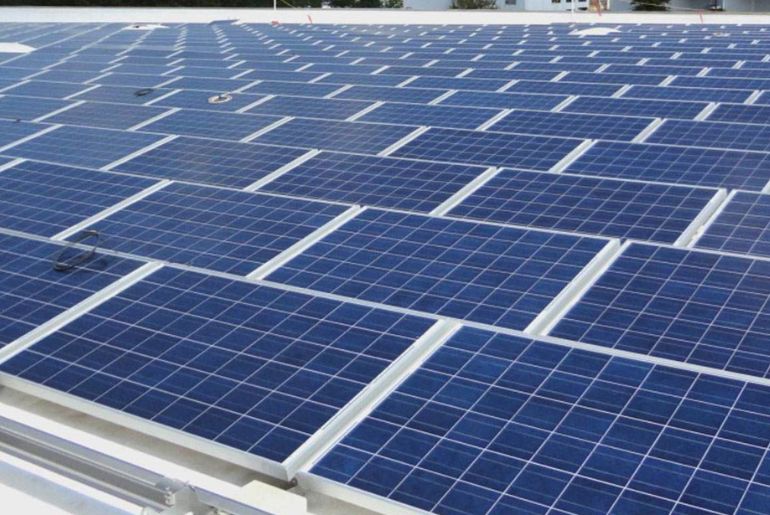
The Government of Goa has said that it will build a 300 megawatt (MW) solar photovoltaic (PV) power plant with energy storage systems. The project is expected to cost more than ₹1,300 crore. The move is a big step toward increasing the state’s renewable energy capacity and decreasing its reliance on traditional power sources.
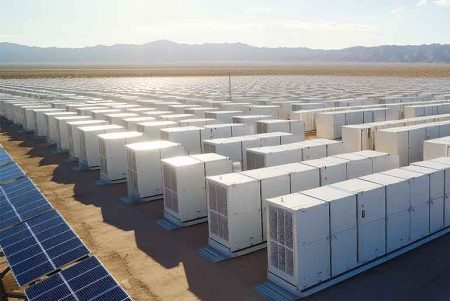
The project will include building 300 MW of solar PV capacity and 150 MW/900 MWh energy storage systems (ESS) to make sure that power generation is stable and reliable. The solar plant will probably be built on about 650 acres of land, probably in the Canacona taluka of Goa.
Project Structure and Implementation
The solar power project will be executed on a Build‑Own‑Operate‑Transfer (BOOT) basis, allowing private developers to build the plant, operate it, and later transfer it to the state. Key points of the project include:
- Capacity: 300 MW solar PV paired with 150 MW / 900 MWh ESS
- Investment: Over ₹1,300 crore
- Land Requirement: ~650 acres, likely in Canacona taluka
- Model: BOOT (Build‑Own‑Operate‑Transfer)
- Bid Type: Tariff‑based competitive bidding
Power Sales and Agreements
The Goa Energy Development Agency (GEDA) will sign a Power Purchase Agreement (PPA) with the winning bidder on behalf of the distribution companies. The PPA will last for 25 years, which means that solar power will be available for a long time at agreed-upon rates.
Under the BOOT model, the selected solar power developer (SPD) will be responsible for:
- Planning, design, and construction of the solar plant
- Ownership and operation of the plant and grid evacuation system
- Construction of new pooling substations
- Upgradation and connectivity to the State Transmission Utility (STU) network
- Obtaining all required regulatory approvals for grid connectivity and evacuation
Strategic Goals and Policy Support
Goa’s solar project is in line with India’s goal of having 500 GW of installed renewable energy capacity by 2030. The state government is also working on a policy for renewable energy that will help clean energy spread faster, bring in private investment, and help the state become less carbon-intensive.
The policy aims to:
- Encourage grid‑based clean electricity usage
- Reduce fossil fuel‑based energy consumption
- Provide investment incentives for green energy projects
- Support job creation and economic growth through renewable deployments
This important project shows Goa’s dedication to long-term energy security and sustainable development, as well as India’s larger goals for renewable energy and climate change.
 Electrify your feed! Click here to join our Whatsapp group and to get the latest updates, expert insights, and innovations driving India’s energy storage revolution.