
India’s electric vehicle (EV) landscape is experiencing a significant transformation, driven by advancements in smart battery technologies. In 2024, EV sales in India reached approximately 1.94 million units, marking a 27% increase from the previous year. Electric two-wheelers led this surge, accounting for 59% of total EV sales, followed by electric three-wheelers at 35%.
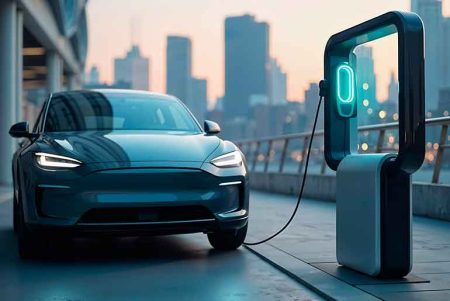
To support this growing EV adoption, the country’s charging infrastructure has expanded considerably. As of December 2024, India had installed 25,202 public charging stations nationwide, with Karnataka leading at 5,765 stations, followed by Maharashtra with 3,728, and Uttar Pradesh with 1,989.
Despite these advancements, challenges remain. The current EV-to-charger ratio stands at approximately 1:400, indicating a need for further infrastructure development to meet the increasing demand.
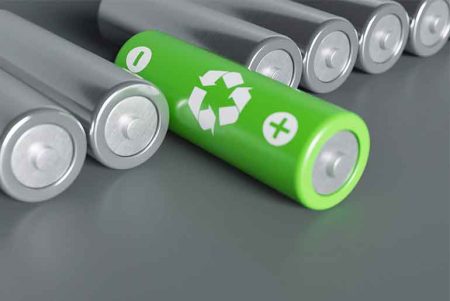
Smart battery technologies are playing a pivotal role in addressing these challenges. By enhancing battery efficiency, enabling faster charging, and supporting innovations like battery swapping, these technologies are accelerating EV adoption across the country.
Government initiatives, such as the PM Electric Drive Revolution in Innovative Vehicle Enhancement (PM E-DRIVE) scheme, are also contributing to this momentum. Launched in September 2024 with a budget of ₹10,900 crore over two years, the scheme aims to promote EV adoption, develop charging infrastructure, and foster the EV manufacturing ecosystem in India.
As India continues on this path, the integration of smart battery technologies and supportive policies will be crucial in achieving the nation’s goal of 30% EV penetration by 2030.
Addressing Traditional Battery Limitations
Traditional lithium-ion batteries faced challenges such as limited range, long charging times, and performance issues in extreme temperatures. Smart battery systems have emerged to overcome these hurdles. Equipped with advanced Battery Management Systems (BMS), these batteries monitor state of charge, health, and temperature in real time, ensuring optimal performance and safety. This is particularly crucial in India, where diverse climatic conditions and long commutes are common.
Enhancing Urban Mobility with Intelligent Energy Management
In urban areas, where daily commutes often exceed 30 km, smart batteries optimize energy consumption through adaptive algorithms. This not only extends the range of EVs but also reduces “range anxiety” among users. By efficiently managing energy based on terrain, speed, and usage patterns, these batteries ensure a more reliable and predictable driving experience.
Revolutionizing Charging with Battery Swapping
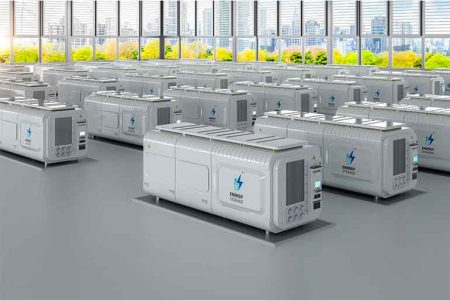
India’s EV charging infrastructure is still developing, with approximately 12,000 public charging stations as of April 2025. To address this, battery swapping has emerged as a viable solution. This approach allows users to exchange depleted batteries for fully charged ones in minutes, significantly reducing downtime. The battery-swapping market in India is projected to reach ₹3.8 lakh crore by 2030, highlighting its growing importance in the EV ecosystem.
Leveraging IoT for Real-Time Monitoring and Maintenance
Smart batteries integrated with Internet of Things (IoT) technology enable real-time monitoring of battery performance. Users and fleet operators can access data on battery health, predict maintenance needs, and prevent potential issues before they escalate. This proactive approach enhances safety, reduces maintenance costs, and extends the lifespan of EVs.
Promoting Sustainability through Second-Life Applications
After their primary use in vehicles, EV batteries can be repurposed for energy storage in solar power systems, home backups, or rural electrification projects. This practice supports a circular economy by reducing battery waste and making renewable energy more accessible.
Government Initiatives and Startup Innovations
Government policies like the FAME (Faster Adoption and Manufacturing of Hybrid and Electric Vehicles) scheme and Production Linked Incentives for advanced chemistry cells are encouraging local R&D and manufacturing of smart batteries. Indian startups are also exploring solid-state and sodium-ion batteries, as well as AI-powered solutions to optimize energy usage, contributing to a self-sustaining and globally competitive EV ecosystem.
The Road Ahead: From Niche to Necessity
Smart battery technologies are no longer optional; they are essential to India’s EV revolution. By improving reliability, extending range, enabling smarter infrastructure, and supporting sustainable practices, they are transforming electric mobility from a niche market to a mainstream necessity. As innovation continues and awareness grows, intelligent batteries will play a pivotal role in steering India toward a cleaner, smarter, and more resilient transportation future.
About the Author : Hari Kiran, Co-Founder & COO, eBikeGo
 Electrify your feed! Click here to join our Whatsapp group and to get the latest updates, expert insights, and innovations driving India’s energy storage revolution.