As energy needs continue to grow, and the need for non-fossil energy solutions continues to grow, India is at a crossroads. The country has pledged to have 500 GW of non-fossil fuel capacity by 2030, which highlights the need to integrate renewable energy sources into the grid. However, solar and wind energy are both intermittent sources of energy, and energy storage solutions must be built to produce a more reliable and consistent power supply. Hydrogen-battery hybrid energy storage systems (H2-BESS) are one of the many solutions available that provide “efficiency, scalability, and sustainable energy benefits”.
The importance of Advanced Energy Storage in India
India’s energy profile is going through a transition, with many renewable energy resources contributing to the energy mix. As of March 2025, the installed renewable capacity was about 220 GW, and it is expected to reach 500 GW by 2030. Though this growth has been impressive and positive, this grows challenges bringing about variability and intermittency around renewable energy generation.
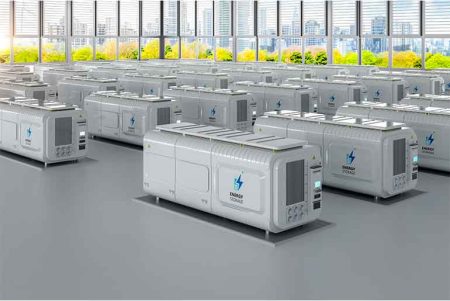
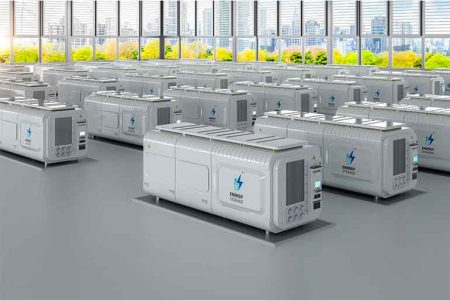
Battery Energy Storage Systems (BESS) have tackled these problems relatively well by providing solutions for load leveling, peak shaving, and frequency regulation. The Indian BESS market is expected to evolve from USD 5.17 billion in 2025 to USD 9.90 billion by 2030, representing a CAGR of 13.87%. However, the inability of traditional BESS, such as limited energy capacity and cost, encourage the investigation of other energy storage alternatives or complementary storage alternatives.
Hydrogen as a Promising Energy Storage Medium
Hydrogen, and specifically green hydrogen produced using renewable energy through electrolysis, offers a value proposition for energy storage of long duration. Batteries are mostly applicable to short duration energy storage, but hydrogen can store energy for long durations, which can be beneficial to account for seasonal differences in renewable energy production.
In 2024, the India Hydrogen Energy Storage Market’s market appears to be valued at USD 720 million and forecasted to reach USD 956.1 million by the year 2033, representing a CAGR of 3.51%. The market is expected to see growth opportunities as a result of the government’s National Green Hydrogen Mission, aimed to enable India to be a global hub for the production and consumption of green hydrogen.
Combination of Hydrogen and Battery Storage
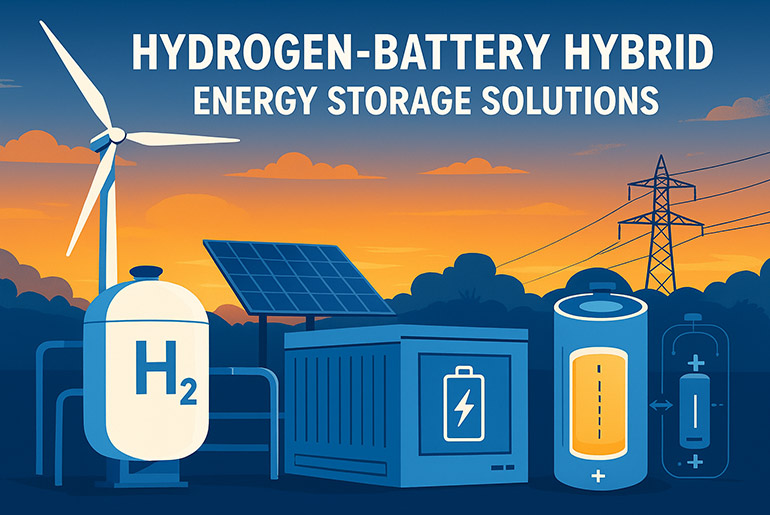
The combination of hydrogen and conventional battery-based storage offers a hybrid energy storage technology that capitalises on the advantages of both. In these innovative energy storage systems, batteries manage shorter duration energy time shifts and offer fast response times, while hydrogen storage provides a solution for seasonal energy needs, thanks to a reliable and long-lasting energy provision.
The hybrid energy storage system offers many positives, including:
- Extended Energy Storage Duration: Hydrogen bridges a gap with energy storage timeframes from a few days to a few weeks of usable energy, compared to the hours of energy storage capacity of batteries.
- Improved Flexibility of the Grids: Flexibly, the grid will be more resilient and flexible with fast-response batteries and longer duration hydrogen storage.
- Lower Overall Cost: A combination of both storage technologies will not only lower the overall system cost, but will also improve the economics of renewables.
Implementing Hydrogen-Battery Hybrid Systems in India
The flexibility of hydrogen-battery hybrid systems makes them applicable in various areas across a range of sectors:
- Renewable Energy Integration: Hydrogen-battery hybrid systems have the ability to store excess renewable energy when high production levels exist and release that energy during peak periods, supporting greater integration of renewables to the grid.
- Off-Grid Power Supply: In remote and rural locations, hydrogen-battery hybrid systems can create a reliable and sustainable energy source despite minimal or no connection to the grid to support local communities and industries.
- Industrial Applications: Industries requiring high energy demands with varying load profiles may benefit from the flexibility offered by hybrid systems that allow for a consistent energy source, reducing reliance on fossil fuels and avoiding any service interruptions.
- Electric Vehicle Charging Infrastructure: Hybrid systems can service electric vehicle (EV) charging stations that require a stable energy source and convenience while supporting improvements to the grid’s operations, with a focus on supporting an EV agenda.
Policies and Initiatives by the Government
The Indian government has acknowledged the need for energy storage in order to reach its clean energy targets. Some initiatives including the National Green Hydrogen Mission, are intended to develop green hydrogen production and usage and build a competitive market for hydrogen energy storage options.
Additionally, the extension of waivers on transmission charges for energy storage projects until June 2028 enables BESS and hybrid systems to be deployed, allowing for a lower cost for developers and a means to encourage investment in energy storage systems.
Hurdles and Key Considerations
Fingerprints of hydrogen-battery hybrid offer great potential, but there are hurdles to clear.
- Infrastructure: Hydrogen production, storage and distribution will require time, funding, and cooperation from stakeholders to develop appropriate infrastructure.
- Regulatory Structure: A clear regulatory framework with supportive policies that develop hydrogen hybrids, while also building safety regulations and incentivizing innovation is also necessary.
- Public Awareness: Education about the benefits and safety of these hydrogen technologies is necessary in order to encourage the broader adoption of hydrogen systems within the industry and community.
Conclusion
Hydrogen-battery hybrid energy storage systems represent a promising solution to the challenges posed by the intermittency of renewable energy sources in India. Utilizing the complementary strengths of hydrogen and battery technologies, such systems can deliver a dependable, scalable, and sustainable energy storage solution, enabling India’s transition towards a clean and resilient future of energy.
As the country pursues investment in renewable energy and energy storage technologies, the adoption of hydrogen-battery hybrid systems will be a vital contributor to energy security, reducing carbon emissions, and economic development. Through the right policies, investments, and partnerships, India can command the energy transition globally and become the model other countries will aspire to.
 Electrify your feed! Click here to join our Whatsapp group and to get the latest updates, expert insights, and innovations driving India’s energy storage revolution.