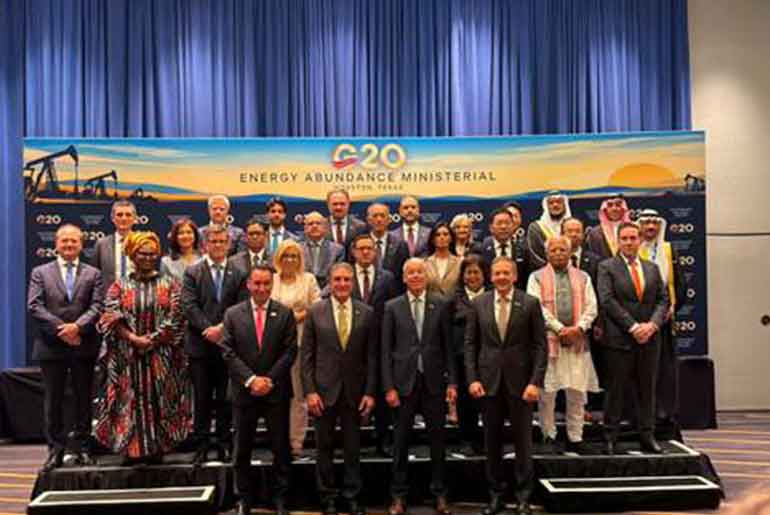
India has highlighted its growing focus on energy storage, clean power and emerging technologies at the G20 Energy Abundance Ministerial Meeting in Houston, as the country works to strengthen energy security and support rising electricity demand.
Union Minister for Power and Housing & Urban Affairs Manohar Lal participated in the G20 Energy Abundance Working Group meetings in Houston on September 15, where he outlined India’s progress in clean energy, energy storage and power infrastructure.
Speaking under the G20’s Pillar 1 on Energy Security and Affordable Baseload, Lal highlighted India’s expanding energy system, including 552 GW of installed power capacity and a non-fossil fuel share of more than 50%.
Energy Storage Takes a Key Role
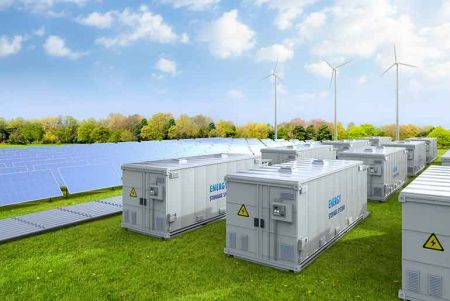
India’s energy transition is increasingly being supported by battery energy storage and other flexible power technologies, particularly as renewable generation expands.
The Minister highlighted India’s advances in solar power, energy storage, nuclear energy and clean cooking access, while stressing the need for technology-neutral and inclusive approaches to energy development.
For India’s battery industry, the growing deployment of storage is significant as the country seeks to integrate increasing volumes of renewable power while maintaining grid reliability and meeting rising electricity demand.
Power Infrastructure for AI and Data Centres
During a bilateral meeting with Chris Wright, Secretary of the U.S. Department of Energy, Lal discussed India’s plans for power infrastructure to support artificial intelligence, high-performance computing and data centres.
The discussions also covered India’s nuclear expansion roadmap and opportunities for cooperation under the U.S.-India Energy Security Partnership, with areas including clean energy, resilient infrastructure and emerging technologies.
The rapid growth of data centres and AI infrastructure is expected to increase demand for reliable electricity, creating additional opportunities for India energy storage, grid flexibility and advanced power-management technologies.
India Pushes Regulatory Reforms
Under Pillar 2 on Permitting and Regulatory Efficiency, Lal highlighted India’s efforts to streamline approvals and improve regulatory predictability through digital platforms.
These include the National Single Window System, PARIVESH and PM Gati Shakti.
The Minister said efficient permitting is important for accelerating infrastructure development and called for greater G20 cooperation on capacity building and regulatory modernisation.
Canada Discussions Cover Low-Emission Technologies
Lal also held bilateral discussions with Corey Hogan, Parliamentary Secretary to Canada’s Minister of Energy and Natural Resources.
The two sides explored potential cooperation in energy efficiency, low-emission technologies and offshore exploration under the Samundra Manthan scheme.
Lal also encouraged Canadian companies to participate in India’s expanding exploration and production sector and strengthen engagement in emerging energy technologies.
Focus on Secure and Reliable Energy
At the meeting, India reaffirmed its focus on diversifying energy sources, expanding clean and reliable baseload capacity and accelerating the adoption of emerging technologies.
For the battery and energy-storage sector, the government’s emphasis on renewable integration, grid reliability, emerging technologies and growing electricity demand reinforces the role of storage in India’s evolving power system.
The discussions also underline the importance of international partnerships as India works to develop a more secure, sustainable and affordable energy ecosystem.
 Electrify your feed! Click here to join our Whatsapp group and to get the latest updates, expert insights, and innovations driving India’s energy storage revolution.