Union Minister for Steel and Heavy Industries H.D. Kumaraswamy has called for stronger domestic manufacturing and resilient supply chains for batteries, critical minerals and clean energy technologies, saying India’s energy security increasingly depends on its ability to manufacture the technologies driving the energy transition.
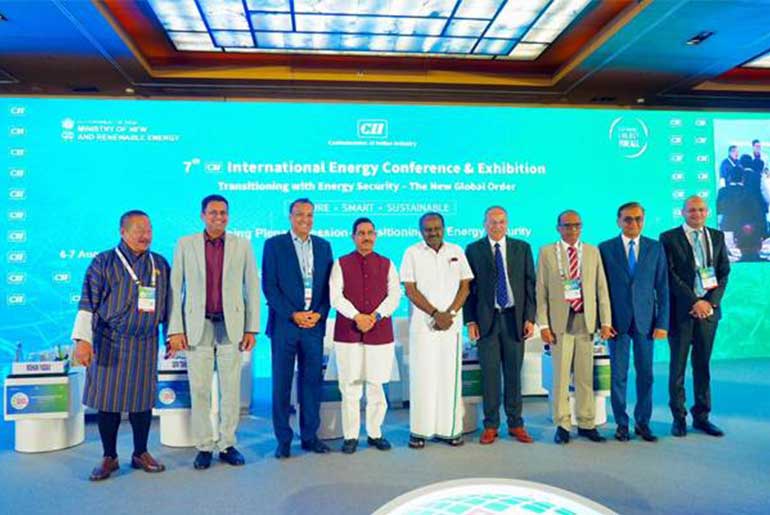
Speaking at the Special Plenary Session on “Energy Security & Supply Chains” at the 7th CII International Energy Conference & Exhibition in New Delhi, Kumaraswamy said India must move beyond being a major consumer of clean energy technologies and become a leading global producer.
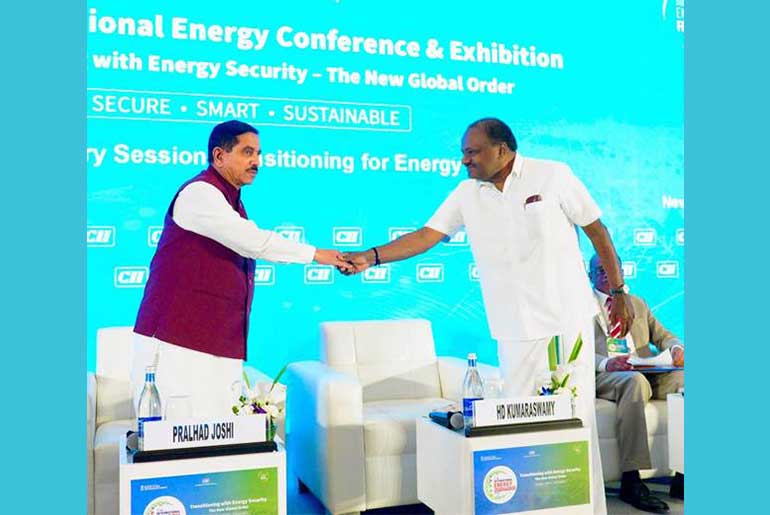
The Minister said geopolitical tensions, supply chain disruptions and growing competition for critical minerals have changed the definition of energy security. According to him, manufacturing capability, technological innovation and resilient supply chains are now critical components of national economic security.
“India should not merely become one of the world’s largest consumers of clean energy technologies. India must become one of the world’s leading producers of the equipment, materials and technologies that will drive the global energy transition,” Kumaraswamy said.
Battery Manufacturing Key to Energy Security
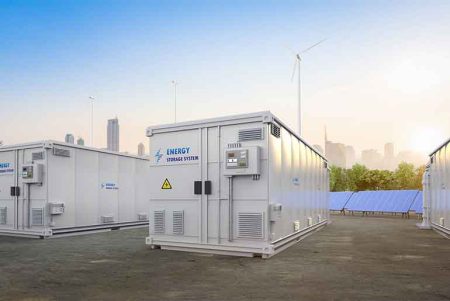
Highlighting the role of the heavy industries sector, the Minister said India’s clean energy transition requires domestic manufacturing across areas including advanced batteries, energy storage systems, heavy electrical equipment, electric mobility and other industrial technologies.
He highlighted the Production Linked Incentive (PLI) scheme for Advanced Chemistry Cell (ACC) batteries, under which the government has committed ₹18,100 crore to establish 50 GWh of domestic battery manufacturing capacity.
According to Kumaraswamy, strengthening domestic battery production will help reduce India’s dependence on imported technologies while creating globally competitive manufacturing capabilities.
He also pointed to the PM E-DRIVE scheme, which has a financial outlay of ₹10,900 crore. The initiative, he said, is aimed not only at increasing electric vehicle adoption but also at supporting domestic manufacturing, localisation and supply chain development.
Critical Minerals and Rare Earths
The Minister also stressed the strategic importance of critical minerals and advanced materials for India’s energy transition. He said the government is working to strengthen domestic capabilities while expanding international cooperation in areas such as rare earths, mineral processing and advanced materials.
Kumaraswamy highlighted the ₹7,280 crore Scheme for Promotion of Manufacturing of Sintered Rare Earth Permanent Magnets, aimed at reducing import dependence and strengthening supply chains for sectors including electric vehicles, renewable energy, defence and aerospace.
He further described steel as a backbone of the clean energy transition, noting its importance in renewable energy projects, transmission infrastructure, battery plants and green hydrogen projects.
Kumaraswamy called for greater collaboration between government, industry, academia, research institutions and financial organisations to build complete domestic manufacturing ecosystems.
He said resilient supply chains would be essential for India’s ambition to become a self-reliant manufacturing hub and achieve the vision of Viksit Bharat by 2047.
 Electrify your feed! Click here to join our Whatsapp group and to get the latest updates, expert insights, and innovations driving India’s energy storage revolution.