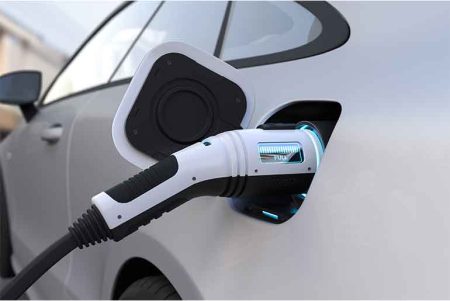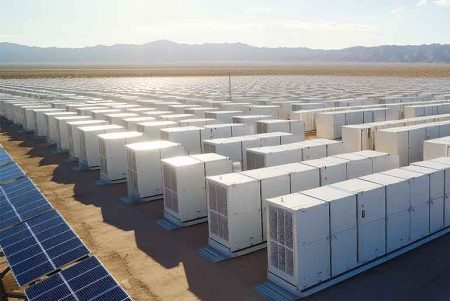
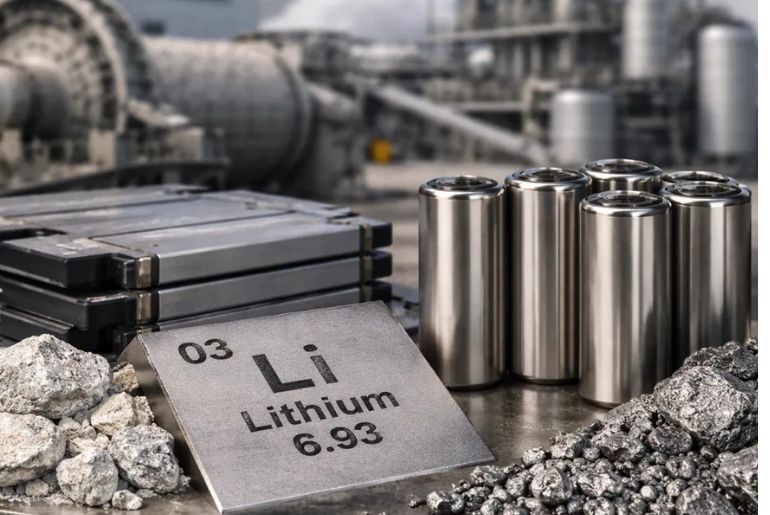
India is preparing to introduce incentive schemes for companies setting up lithium and nickel processing plants, as part of its broader effort to secure critical minerals needed for the country’s clean energy transition. The proposed plan, according to two sources and a government presentation reviewed by Reuters, is intended to increase domestic processing capacity and meet rapidly growing demand from the electric vehicle (EV) sector.
India is pushing hard to expand clean energy adoption, particularly electric mobility, to reduce emissions and cut fossil fuel dependence. However, the country currently lacks large-scale processing capabilities for key minerals such as lithium and nickel, an area where global capacity is largely dominated by China. Both minerals are essential for EV batteries, making them central to India’s ambition of achieving 30% electric car penetration and 80% electric two-wheeler adoption by 2030, up from about 4% and 6%, respectively, at present.
Proposed Incentive Structure
According to the presentation, the incentive programme proposes a 15% capital subsidy for eligible investments in lithium and nickel processing projects that begin on or after April 1, 2026, subject to an overall cap. One source described the proposed subsidy level as “realistic.”
The Ministry of Mines, which is responsible for the proposal, did not respond to a Reuters request for comment.
Key Features of the Incentive Plan:
- 15% capital subsidy for lithium and nickel processing projects
- Incentives available for five years
- Subsidy cap of 40% of annual net sales turnover for lithium plants
- Subsidy cap of 25% of annual net sales turnover for nickel plants
- Minimum capacity requirement of 30,000 metric tons for lithium plants
- Minimum capacity requirement of 50,000 metric tons for nickel plants
- Subsidy disbursed in stages, linked to minimum plant utilisation targets
The government plans to initially support two lithium and two nickel processing projects, which are expected to help meet India’s domestic demand by 2030, according to the sources and the presentation.
Strategic Importance of Critical Minerals
In 2023, India identified more than 20 minerals, including lithium, as “critical” for its energy transition and for meeting rising industrial demand. By encouraging domestic processing, the government aims to reduce supply chain risks, support EV manufacturing, and build long-term self-reliance in clean energy technologies.
If implemented, the incentive programme would mark a significant step in strengthening India’s critical minerals ecosystem and supporting the country’s fast-growing electric mobility ambitions.
 Electrify your feed! Click here to join our Whatsapp group and to get the latest updates, expert insights, and innovations driving India’s energy storage revolution.