India’s energy sector is becoming essential for economic growth, social development, and human well-being. Energy powers industry, transportation, agriculture, healthcare, digital connectivity, and home needs. As the third-largest consumer of crude oil, India’s energy demand is set to grow faster than almost any other major economy. By 2050, it will represent more than 23% of the global rise in energy demand, the largest share of any country.
Milestones in Clean Energy and Infrastructure
India has improved its energy systems with policy changes, infrastructure growth, and clean energy efforts. In June 2025, the country reached 50% of its total installed electricity capacity from non-fossil fuel sources, five years earlier than its 2030 goal under the Paris Agreement’s NDC. This achievement shows significant growth in renewable energy, increased energy infrastructure, and reforms in the hydrocarbons sector, which support economic growth, job creation, and India’s role in the global energy market.
Hydrocarbon Sector Reforms
India’s upstream, midstream, and downstream hydrocarbon sectors have undergone significant reforms to enhance efficiency, supply security, and investment climate:
Upstream:
- Oilfield Regulation and Development Amendment Act, 2025 (ORDA) simplifies procedures, boosts investor confidence, and supports local oil and gas production.
- Petroleum and Natural Gas Rules, 2025 offer transparency in exploration and production.
- Hydrocarbon Exploration Licensing Policy granted 172 blocks covering 3.78 lakh sq km, bringing in USD 4.36 billion in investments.
Midstream and Downstream:
- Unified Pipeline Tariff (UPT) standardises gas transportation charges, covering 90% of pipelines by December 2025.
- Expanded fuel retail outlets, CNG and PNG connections, and natural gas pipelines totaling over 25,400 km, supporting cleaner mobility and pan-India energy access.
Clean Energy Transition and Low-Carbon Initiatives
India’s energy transition includes:
- Biofuels: Ethanol blending achieved 19.93% in July 2025, saving ₹1.59 lakh crore, reducing 813 lakh tonnes CO₂, and substituting 270 lakh tonnes of crude oil.
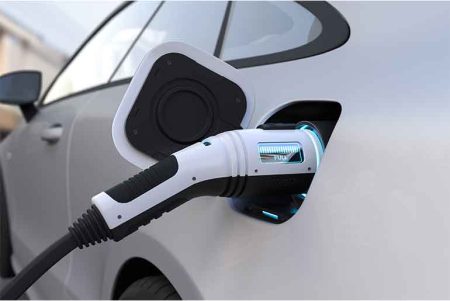
- Electric mobility: 8,932 EV charging stations under FAME II and over 18,500 additional stations by Oil Marketing Companies.
- Clean cooking energy: 10.41 crore beneficiaries under PMUY, with LPG consumption increasing to 4.85 refills per capita in FY 2025–26.
- Sustainable Aviation Fuel (SAF): Indian Oil Corporation received ISCC CORSIA certification for SAF production at Panipat Refinery.
International Engagement
India takes part in global energy platforms like the Global Biofuel Alliance (GBA) and the G20 Energy Transitions Working Group. These platforms help in sharing knowledge, improving supply diversity, and encouraging low-carbon paths. India Energy Week serves as a venue for governments, industry, and investors to work together on energy transition and technology adoption.
Policy reforms, infrastructure expansion, and clean energy adoption have improved India’s energy access, system resilience, and sustainability. This combined approach balances rising energy demand with low-carbon development. It supports economic growth, inclusion, and India’s position as a leader in global energy.
 Electrify your feed! Click here to join our Whatsapp group and to get the latest updates, expert insights, and innovations driving India’s energy storage revolution.