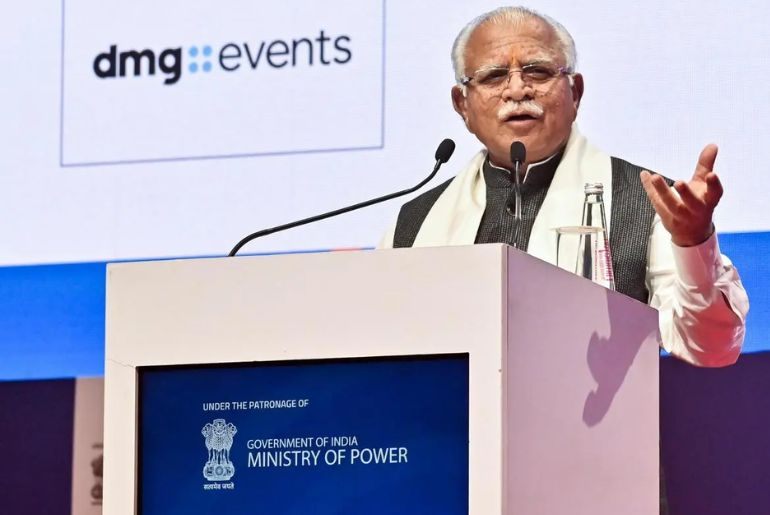
India is set to formally begin trading in its domestic carbon credit market within the next four months, marking a significant step in the country’s climate action and clean energy strategy. The announcement was made by Union Power Minister Manohar Lal Khattar at a major energy event in the national capital.
New Platform and Timeline
To help the new carbon trading system, the government has set up a centralised Indian Carbon Market Portal. Once the market is up and running, this portal will help businesses and industries register, keep track of, report, verify, and trade carbon credits.
“We have made a framework and after four months, I can say that formally, carbon trading will start,” said Manohar Lal, underlining the government’s progress in setting up the system.
How the Market Will Work
The Carbon Credit Trading Scheme (CCTS) was set up by law in 2022 and improved in 2023. It gives big factories in energy-intensive industries emissions targets. Companies that cut their emissions below these levels get tradable carbon credit certificates. Companies that don’t meet their targets will have to buy credits to stay in compliance.
This setup will let businesses with extra credits sell them, which will create a market-based reason for people to cut down on greenhouse gas emissions and use cleaner technologies. The system is meant to help India reach its goal of cutting emissions and getting to net-zero by 2070.
Participation and Preparations
More than 40 entities across sectors such as biogas, green hydrogen, and forestry have already registered projects under the scheme. These early registrations suggest broad interest and readiness among industries to participate once the trading platform goes live.
Stakeholders will need to complete registration on the portal before they can take part in carbon trading. Officials say this will help ensure transparent monitoring, reporting, and verification (MRV) of emissions and credits.
Significance for Climate Action
Analysts say the launch of a formal carbon market will strengthen India’s climate policy toolkit, combining regulatory targets with economic incentives to reduce emissions and encourage investment in clean technology and sustainability.
 Electrify your feed! Click here to join our Whatsapp group and to get the latest updates, expert insights, and innovations driving India’s energy storage revolution.