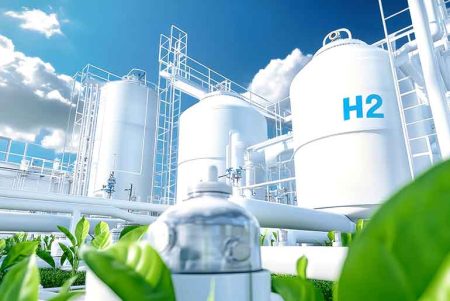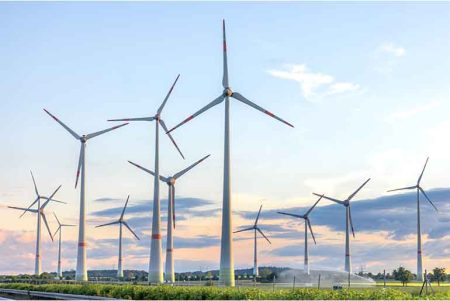

The global journey toward decarbonization is increasingly centred on Power-to-X (PtX) solutions, where renewable electricity is converted into hydrogen and subsequently into high-value derivatives such as green ammonia, e-methanol, and sustainable aviation fuels. These energy carriers play a pivotal role in decarbonizing hard-to-abate sectors including shipping, aviation, fertilizers, and petrochemicals, where direct electrification is either technically challenging or economically inefficient.
India, with its ambitious target of achieving 500 GW of non-fossil fuel capacity by 2030 and its strategic location close to major energy-importing markets, is uniquely positioned to emerge as a global PtX hub. Among the many PtX pathways, green ammonia has quickly become the centrepiece of India’s strategy, offering both domestic utility and export potential.
The production of green ammonia begins with renewable hydrogen generated via electrolysis of water, which is then combined with nitrogen from air separation and synthesized using the Haber–Bosch process at high temperature and pressure. While the combined efficiency of this route is around 55%, the advantages of green ammonia are significant. It serves as the foundation of global fertilizer production, accounting for nearly 80% of total ammonia demand, and is now being positioned as a next-generation shipping fuel through the development of ammonia engines and fuel cells. Additionally, its ease of storage and transportation compared to liquid hydrogen makes it a practical energy carrier.
India’s green ammonia sector has gathered remarkable momentum, largely driven by the Strategic Interventions for Green Hydrogen Transition (SIGHT) scheme, administered by the Solar Energy Corporation of India (SECI). This program provides direct support for green ammonia developers while also serving as a platform to connect producers with off takers, ensuring transparency and efficiency in the allocation of production volumes. Through multiple rounds of reverse auctions, the scheme has succeeded in driving record-breaking reductions in price, showcasing both market competitiveness and scalability.
In the recent auction, ACME Cleantech achieved a milestone by securing six green ammonia contracts, including one at a record-low price of ₹49.75 per kilogram (around $0.60 per kilogram), setting a new benchmark while surpassing its own previous record. This development underscores India’s cost leadership and the commercial viability of large-scale green ammonia production. The competitive pricing aligns directly with India’s agriculture-driven domestic demand, particularly in fertilizers, while also opening the door for exports in sectors such as shipping and energy storage.
International observers have taken note of India’s rapid progress in this space. The combination of affordability, scalability, and strong policy support has positioned India as a formidable competitor in the global green ammonia market. While adoption worldwide will depend on regulatory compliance and the readiness of importing countries, India’s auction-driven pricing model and integration with its domestic fertilizer demand have already established it as a credible and reliable supplier.
These achievements are firmly anchored in the broader policy framework of the National Green Hydrogen Mission, launched in January 2023, which lays out an ambitious target of producing 5 million metric tonnes of green hydrogen annually by 2030. The Mission not only seeks to decarbonize hard-to-abate sectors such as steel, fertilizers, and heavy transport, but also positions India as a global hub for green hydrogen production and exports.
Complementing this, the Ministry of New and Renewable Energy (MNRE) has been driving enabling policies, financial incentives, and regulatory clarity to accelerate industry adoption. The Solar Energy Corporation of India (SECI), through the implementation of the Strategic Interventions for Green Hydrogen Transition (SIGHT) scheme, is playing a pivotal role in providing demand-side incentives, supporting electrolyzer manufacturing, and facilitating large-scale projects.
Together, these initiatives form a structured and coordinated roadmap for scaling up green hydrogen and green ammonia production, ensuring alignment with India’s net-zero by 2070 commitment and its intermediate decarbonization milestones. They also enhance energy security, reduce reliance on fossil fuel imports, and create opportunities for new industries, jobs, and export revenues.
By combining record-low pricing, robust industrial partnerships, and clear policy direction, India is not only ensuring the sustainable supply of ammonia for its domestic fertilizer sector but also positioning itself as a key exporter in the emerging Power-to-X economy. This proactive approach cements India’s role as a leader in shaping the global low-carbon energy landscape and advancing the transition toward a sustainable future.
 Electrify your feed! Click here to join our Whatsapp group and to get the latest updates, expert insights, and innovations driving India’s energy storage revolution.