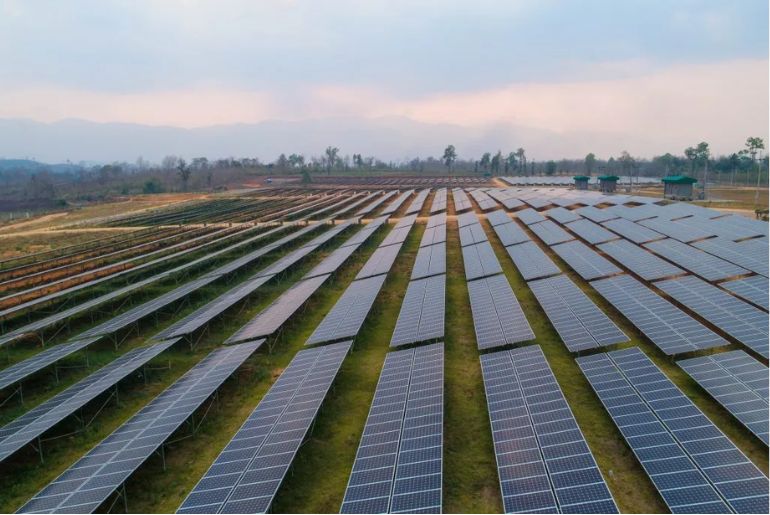
A 50 MW solar photovoltaic (PV) project in Shinyanga, Tanzania, equipped with high-efficiency modules from JinkoSolar, has successfully achieved full-capacity grid connection and begun power generation. The milestone marks the start of stable operations for Tanzania’s first solar power plant connected to the national grid and highlights the growing adoption of clean energy solutions in emerging African markets.
Project Achieves Full-Capacity Grid Connection
The solar facility represents an important step for Tanzania as it expands its renewable energy infrastructure. By reaching full grid connection and entering regular operation, the project has become a key contributor to the country’s efforts to diversify its energy mix and strengthen electricity supply.
The plant has been fully equipped with JinkoSolar’s high-efficiency photovoltaic modules, which were used throughout the construction of the project. The successful completion of the grid connection demonstrates the reliability and performance of the company’s solar technology in large-scale renewable energy developments.
Collaboration and Technical Support
During the development of the project, several operational challenges had to be addressed, including complex local climate conditions, strict grid integration requirements, and demanding logistics schedules. To overcome these issues, JinkoSolar worked closely with PowerChina, the project’s general contractor.
Through coordinated planning, equipment supply, and technical assistance, both teams ensured that the core components were delivered on time and installed efficiently. This cooperation played a crucial role in enabling the project to achieve full-capacity grid connection in a single attempt.
Strong Power Generation Performance
The project has been designed to deliver strong electricity generation performance under the environmental conditions in Tanzania. JinkoSolar’s modules are engineered to maintain efficiency and reliability even in challenging climates, ensuring consistent power output.
Once fully operational, the solar power plant is expected to generate approximately 72,000 megawatt-hours (MWh) of electricity each year. In addition to supporting electricity supply, the project will also contribute to environmental sustainability by reducing carbon emissions.
Supporting Tanzania’s Energy Transition
The solar facility is expected to reduce carbon dioxide emissions by around 57,000 tons annually, helping to lower the environmental impact of electricity generation. By producing clean electricity, the project will help ease pressure on local power supply while supporting the country’s transition toward renewable energy.
The successful grid connection of the project demonstrates JinkoSolar’s technological capabilities as a global manufacturer of photovoltaic modules. It also establishes another important reference project for the company as it continues expanding the use of high-efficiency solar solutions across the African renewable energy market.
 Electrify your feed! Click here to join our Whatsapp group and to get the latest updates, expert insights, and innovations driving India’s energy storage revolution.