
Juniper Green Energy has entered into a 25-year PPA with SJVN Limited for its 50 MW Firm and Dispatchable Renewable Energy (FDRE) project integrating solar and Battery Energy Storage Systems (BESS) to supply reliable clean power during peak hours.
The agreement marks a significant development in India’s renewable energy landscape, highlighting the growing role of energy storage in transforming variable renewable generation into dependable, dispatchable power.
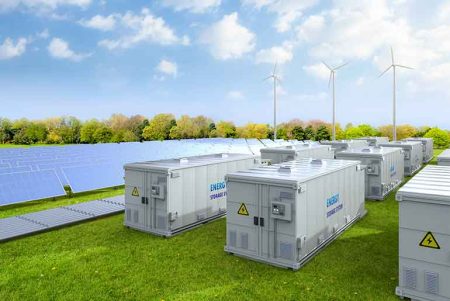
Under the PPA, Juniper Nirjara Energy will integrate solar generation with BESS to provide firm renewable power when electricity demand is at its highest. The project is designed to achieve 90% monthly availability, supporting the delivery of clean power with greater predictability and reliability.
Unlike conventional renewable projects that depend on the availability of solar or wind resources, FDRE projects use energy storage and other technologies to better align renewable generation with grid requirements. Battery storage can capture electricity generated during periods of high renewable output and discharge it when demand increases.
The development reflects a broader shift in India’s clean energy sector, where the focus is increasingly moving beyond adding renewable generation capacity towards ensuring that renewable electricity is available when and where it is required.
For Juniper Green Energy, the project represents an expansion of its capabilities in integrating renewable generation with energy storage. By combining solar power with BESS, the company aims to support a more flexible and reliable power supply while contributing to India’s evolving energy transition.
The company said the agreement demonstrates how renewable energy is moving from variable generation towards dependable and dispatchable power. It also underlines the importance of battery storage in addressing the intermittency of renewable sources and meeting peak-demand requirements.
As India continues to scale up renewable energy capacity, technologies such as BESS are expected to play an increasingly important role in balancing supply and demand, improving grid flexibility and enabling greater integration of clean energy.
The 50 MW FDRE project therefore highlights an emerging model for India’s renewable energy market—one in which solar generation and battery storage work together to deliver clean electricity with greater reliability and availability.
 Electrify your feed! Click here to join our Whatsapp group and to get the latest updates, expert insights, and innovations driving India’s energy storage revolution.