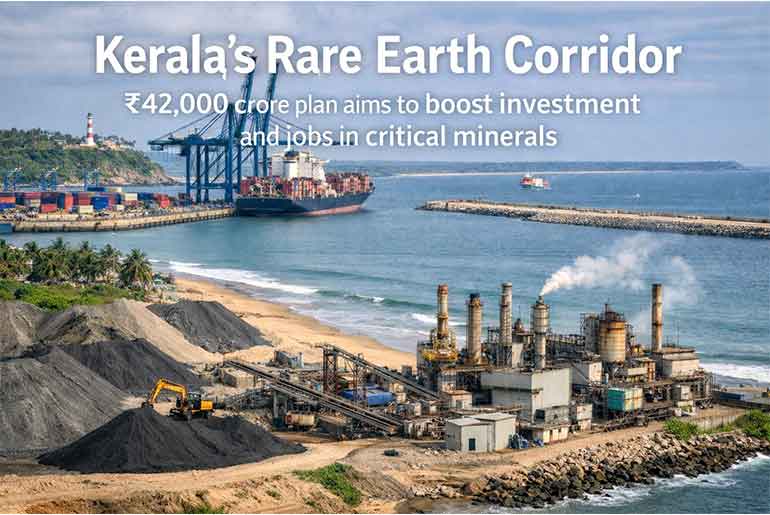
The Kerala government has announced plans to develop a rare earth corridor connecting Vizhinjam port to Chavara and onward to Kochi, positioning the state as a future hub for permanent magnet manufacturing and critical minerals processing in India.
The announcement was made by Kerala Finance Minister K. N. Balagopal during his Budget 2026–27 speech in the state assembly. The proposed corridor is expected to attract ₹42,000 crore in investment and generate around 50,000 jobs, according to the minister.
“A new rare earth corridor connecting Vizhinjam port to Chavara, which in turn connects to Kochi is being planned. A centre related to this will be established adjacent to KMML Chavara. By this, Kerala is becoming the permanent magnet hub of the nation. Besides this, an investment of ₹42,000 crore and 50,000 job opportunities are expected,” Balagopal said.
₹2,100 Crore Allocated for Rare Earth Critical Minerals Mission
Beyond the projected investment, the state government has made a direct budgetary allocation of ₹2,100 crore for establishing a Rare Earth Critical Minerals Mission. The mission will be implemented in partnership with Kerala Minerals and Metals Ltd (KMML), Kerala State Electronics Development Corporation (KELTRON), and the Non-Ferrous Materials Technology Development Centre (NFTDC).
KMML, a state-owned enterprise based in Chavara, is a major producer of titanium dioxide and mineral sands. KELTRON is Kerala’s state-run electronics and technology enterprise, while NFTDC operates as an autonomous R&D organisation under the Ministry of Mines.
The mission aims to strengthen research, processing, value addition, and downstream manufacturing of rare earth elements within the state, moving beyond raw mineral extraction.
Strategic Importance of the Corridor
A wide variety of technology relies on rare earth elements for their proper function, such as electric vehicle motors, wind turbines, electronics, defense devices, and advanced industrial applications. India presently relies heavily on imports for processing rare earths and also importing permanent magnets from abroad.
Kerala’s port infrastructure, mineral processing centre and industrial hub are integrated into the Vizhinjam-Chavara-Kochi Corridor to increase value creation within the supply chain and support India’s efforts for critical mineral self-reliance.
The surface transport corridor will tap into Kerala’s coastal mineral resources for large-scale processing, and enjoy a connection to the state’s existing industrial infrastructure and port systems for efficient processing and export-oriented industrial production.
Hydrogen Valley and Clean Energy Push
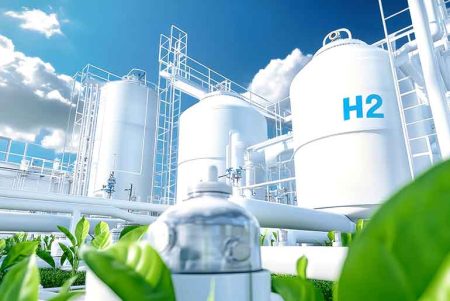
Alongside the rare earth initiative, the Kerala government reiterated its commitment to the Hydrogen Valley project, which was announced in the previous budget. The project aims to build a hydrogen-based energy economy in the state.
As part of this initiative, Cochin International Airport Ltd (CIAL), in collaboration with BPCL, has already commissioned a green hydrogen dispensing unit. The Centre has also approved hydrogen valley innovation clusters in Kerala.
The state government said it has attracted ₹2.1 lakh crore in renewable energy investments from Greenko during the World Economic Forum, with additional allocations planned to support hydrogen-related infrastructure and activities.
Power and Renewable Energy Allocations
The Kerala Budget 2026–27 has raised the power sector allocation to ₹21,309.84 crore. Out of this:
- ₹1,238.80 crore is earmarked for Kerala State Electricity Board (KSEB) projects
- ₹271.04 crore is allocated for non-conventional and renewable energy sources
Specific allocations announced in the budget include:
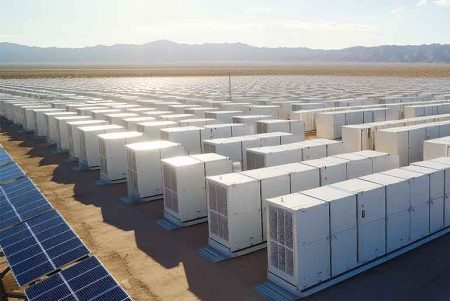
- ₹25 crore each for battery energy storage systems (BESS) and pumped storage projects
- ₹231.22 crore for smart meter installation
- ₹150 crore for externally aided projects such as Energy Efficiency Indian Grid and Green Energy Corridor Phase II
Funding for ANERT (Agency for New and Renewable Energy Research and Technology) has been increased to ₹253.18 crore to support renewable energy programmes across the state.
Green Hydrogen and Solar for Remote Areas
The budget also earmarks:
- ₹27.18 crore for green hydrogen projects
- ₹27 crore for solar installations in remote tribal habitations that are yet to be electrified
These measures are aimed at improving energy access while advancing Kerala’s clean energy transition.
Kerala’s rare earth corridor plan aligns with the Union Budget 2026–27, which proposed the development of rare earth corridors in mineral-rich states such as Kerala, Odisha, Andhra Pradesh, and Tamil Nadu. Together, these initiatives reflect a coordinated push at both the state and national levels to build domestic capacity for critical minerals, clean energy, and advanced manufacturing.
If implemented effectively, the Kerala corridor could play a key role in reducing import dependence, creating high-skilled jobs, and supporting India’s electric mobility, renewable energy, and electronics manufacturing ambitions.
 Electrify your feed! Click here to join our Whatsapp group and to get the latest updates, expert insights, and innovations driving India’s energy storage revolution.