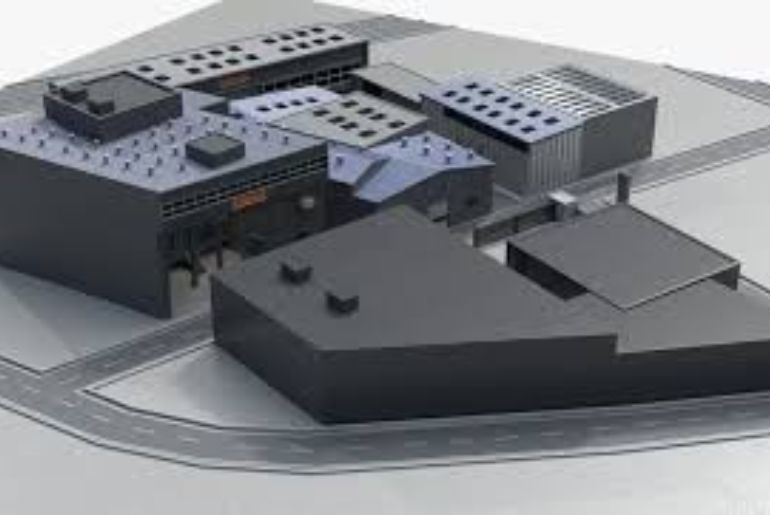
Komaki Electric Vehicles has opened its second lithium battery factory in Udyog Vihar, Gurgaon. This is a big step forward for the company’s ability to make things in-house. The company spent ₹30 crore to build the facility, which covers 40,000 square feet. It is the largest integrated EV battery manufacturing unit in North India.
The plant can make 10,000 lithium iron phosphate (LiFePO4) batteries every month, which means it can make 1,20,000 batteries a year. As Indian electric vehicle makers work to improve battery production at home so they don’t have to rely as much on imported cells and make the supply chain more stable, this news comes at a good time.
The new facility will exclusively produce batteries using lithium iron phosphate (LFP) and lithium manganese iron phosphate (LMFP) chemistries. These technologies are known for higher thermal stability and improved fire resistance compared to other lithium-ion variants such as NMC (nickel manganese cobalt), which have been associated with fire incidents in Indian conditions. In addition, LFP and LMFP batteries offer longer cycle life and faster charging capabilities, making them suitable for Indian road conditions, climate, and usage patterns.
Komaki said that its battery systems are made to last for up to 2,500 charge cycles, which means they can last for several years of normal use before they start to lose a lot of capacity. To help customers save money, the company also offers a three-year warranty on LFP cells and a five-year warranty on LMFP cells. The facility incorporates resource-efficient manufacturing processes designed to minimise material wastage and support environmentally responsible production across the product lifecycle.
Speaking at the inauguration, Gunjan Malhotra, Co-founder of Komaki Electric Vehicles, said the new facility marked “a defining step in Komaki’s journey to build a self-reliant and future-ready EV ecosystem.”
He added that the focus on LFP and LMFP technologies reflects a strategic emphasis on safety, durability, and long-term value, while strengthening the company’s domestic manufacturing base.
The expansion fits with the growing momentum in India’s electric vehicle (EV) sector, which is supported by government incentives under the FAME scheme and rising fuel costs. It also helps the industry deal with problems like relying on imported lithium cells and changing policy support for making batteries in India.
 Electrify your feed! Click here to join our Whatsapp group and to get the latest updates, expert insights, and innovations driving India’s energy storage revolution.