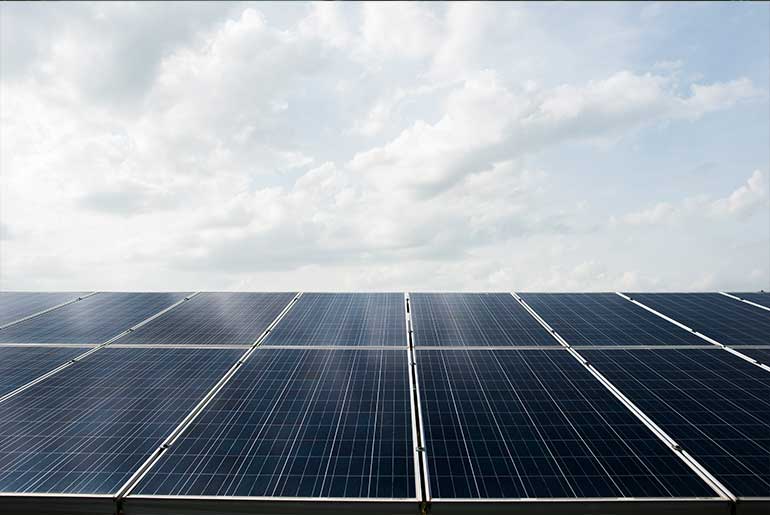
Kosol Energie has commissioned a 31 MW (DC) solar photovoltaic project for Gujarat State Electricity Corporation Limited (GSECL) in Kutch, Gujarat. The project has been developed under Gujarat’s Renewable Energy Policy and forms part of the state’s broader efforts to increase clean energy generation and strengthen its renewable energy portfolio.
The Kutch area is one of the fastest growing places in India for renewable energy production. The Gujarat government has created this project to increase solar energy production within the region. With its availability of land, high levels of sunshine, and supportive policies the state is well-positioned for large scale investments in solar and wind power. Several renewable energy parks and transmission systems currently exist within the state of Gujarat.
The newly commissioned project has been developed for GSECL, the power generation arm of the Government of Gujarat. Over the past few years, GSECL has been actively expanding its renewable energy portfolio through solar and floating solar projects across the state as Gujarat moves towards its clean energy targets.
Kosol Energie is adding to its expanding solar portfolio once again. The company’s headquarters is located in Ahmedabad and they have been providing EPC services, manufacturing modules and developing renewable energy projects for residential, commercial, industrial, or utility clients. In India as well as other parts of the world, they’ve completed multiple solar projects for government and private sector clients across multiple states.
The commissioning comes at a time when solar deployment continues to ramp up in Gujarat. The state has led the way in renewable energy development in India and is witnessing major investments in solar parks, hybrid renewable energy projects and transmission infrastructure. Several gigawatt-scale projects are in development, making Kutch especially a hotspot for renewable energy.
The 31 MW project’s detailed technical specifications are not available, but utility-scale solar projects like this are expected to be an important source of clean power generation and reduce dependence on traditional energy sources. The project is also expected to help Gujarat achieve its target of increasing the share of renewable energy in the total power mix.
India’s solar sector has witnessed strong growth over the past few years, supported by policy initiatives, declining technology costs and increasing demand for clean electricity. As one of the leading renewable energy states in the country, Gujarat continues to attract investments across solar, wind, energy storage and green hydrogen projects. The commissioning of the 31 MW solar plant further strengthens the state’s position in India’s renewable energy landscape.
 Electrify your feed! Click here to join our Whatsapp group and to get the latest updates, expert insights, and innovations driving India’s energy storage revolution.